SWOT Analysis of Infosys [Detailed]

SWOT Analysis of Infosys focuses on Strengths, weaknesses, opportunities, and threats. Strength and Weakness are the internal factors and Opportunities and Threats are the external factors that influence the SWOT Analysis of Infosys.

Strengths are defined as the best thing every company does in its range of activities that can give it hold on its competitors. Weaknesses are used in areas in which improvement of the business or brand is necessary. Opportunities are the environmental avenues around the enterprise that can be used to increase its income. Threats are environmental factors that can adversely affect business growth.

Infosys is an Indian IT company that offers business consulting, software and management services for business processes. The majority of Infosys’ clients are based in North America and Europe. Nearly all of its development centres are located in India. As of December 2020 market capitalization of Infosys was 71.92 Billion US Dollars.Standard & Poor has given “A- Credit Rating” to Infosys. Infosys is headquartered at Bangalore. Infosys was founded in the year 1981. Infosys has a employee base of 242371 as of March 2020.
swot analysis of infosys

Strengths in the SWOT Analysis of Infosys – Infosys SWOT Analysis

  • Low Salary: India has given the company an advantage over rivals in terms of lower cost. The majority of Infosys 119 development centres are located in India, which provides it with high-quality technical talent at a significant cost advantage, given that salaries in India are significantly lower than in developed countries.
  • Large Array of IT Services: The company offers a large array of IT services and software-based solutions, in addition to consultancy and management services. For this reason, Infosys attracts different types of businesses.
  • Strategic Alliances: Infosys has formed strategic alliances with leading technology and business players in order to bolster its services and business solutions. Earlier it’s worked with Hewlett-Packard, Microsoft, IBM, and Amazon on similar projects. We are confident in our ability to form a strong partnership to provide innovative and collaborative solutions.
  • Good ROI: Infosys is relatively successful at the execution of new projects and it generates good profits through its existing business. The company is generating a good Return on its investments.
  • Good Training and Development Programmes for its Employees: High-level personal skills can be acquired through training and development programmes. Infosys Inc is providing continuous training and development of its employees resulting in an enthusiastic and motivated team.

Weaknesses in the SWOT Analysis of Infosys – Infosys SWOT Analysis

  • Depending on Foreign Markets: American and European operations have been the majority of the company’s bases of operations. Nearly 80% of the Infosys revenue comes from North America and Europe. Under such conditions, the company is vulnerable to instability and uncertainty.
  • Emerging markets: the recent growth in emerging markets has outpaced funding. Infosys lacks the critical development information for most of the developing nations, leaving them with only one way to grow.
  • High Attrition Rate: Many employees leave Infosys for better-paying jobs, better career options, and higher education opportunities for higher education. When staff turnover is high, a company has a bad image.

Opportunities in the SWOT Analysis of Infosys – Infosys SWOT Analysis

  • Acquisition of New Startups: One way to expand technology would be to start to invest in technology start-up companies. Infosys has identified potential and invested heavily in technology companies at the early stage. For instance, in 2016, investments were made in Trifacta, a data wrangling software company, and Waterline Data Science. Infosys should continue to invest in companies that provide Infosys with the competitive advantage of technology.
  • Digital Transformation: Spending on Digital Transformation Technologies is growing. And the company has begun to focus on providing digital transformation services, which can benefit in terms of increasing global investment.
  • Cloud-Based Computing: Demand for cloud-based solutions is increasing, as cloud computing has altered the fundamental nature of computing. The worldwide expenditure on cloud services is estimated to grow at a rapid pace by 2025, according to industry estimates. Infosys, which has a sizable presence in the cloud computing market, stands to benefit from the growing demand.
  • Concentrate on emerging markets: Infosys should concentrate its efforts on emerging markets, which are expected to generate significant revenue for IT services and consulting firms in the future. Infosys should not fall behind.

Threats in the SWOT Analysis of Infosys – Infosys SWOT Analysis

  • Intense Competition: The information technology services industry is a highly competitive sector. IT/business consulting services like Cap Gemini, Accenture, Cap Gemini, and TCS go head-to-to-head with high-tech and consultancies like Infy In addition to competing with software giants like Oracle and SAP, the company also competes with software consultancy competitors. Intense competition results in price pressures and increased investment in innovative technology to maintain a competitive edge.
  • Changes in US immigration laws: Because immigration laws are subject to political pressure, they are susceptible to change in the event of a change in political power in the United States. Infyis and other countries could be adversely affected by the tightening of immigration rules.
  • Increasing salary inflation in India: Lower wage cost is a major competitive advantage for companies such as Infosys, but wage increases are also pressurized in India. Infosys has had to keep the quality of its employees because of wage inflation. It has an adverse effect on the company’s operating margins.
  • Liability Laws: The liability laws in different countries are different, and Infosys may be exposed to various liability claims.
  • Volatile World Markets: Because of the volatile world financial markets, Infosys is exposed to volatile international macro-economic indicators.

If you like this article you can recommend your friends about PROJECTS4MBA.COM

If you like This Article Please Like our Facebook Page PROJECTS4MBA

Cite This Work

Referencing Style to cite this article:
[citationic]

SWOT Analysis of Infosys [Detailed] Read More »
SWOT Analysis of TCS – TCS SWOT Analysis [Detailed]

SWOT Analysis of TCS focuses on Strengths, weaknesses, opportunities, and threats. Strength and Weakness are the internal factors and Opportunities and Threats are the external factors that influence the SWOT Analysis of TCS.

Tata Consultancy Services is one of the prominent business conglomerates in India, and is considered a part of the group of “Tata group”. The core business of TCS also consists of providing IT services, consultancy, and business solutions. In Asia-Pacific, Africa, Middle East, Europe, and Americas, TCS operates in Americas. The total Revenue of TCS in the year 2020 was 23 Billion US Dollars. The total number of employees in TCs is 469261 as of December 2020.

Strengths are defined as the best thing every company does in its range of activities that can give it hold on its competitors. Weaknesses are used in areas in which improvement of the business or brand is necessary. Opportunities are the environmental avenues around the enterprise that can be used to increase its income. Threats are environmental factors that can adversely affect business growth.

swot analysis of tcs

Strengths in the SWOT Analysis of TCS – TCS SWOT Analysis

  • Huge Customer Base: TCS serves clients in a variety of industries, including banking, financial services, retail, telecommunications, and media and entertainment. Exposure to diverse businesses dilutes the risks of a single market or industry’s over-dependence. TCS is also serving the Government of India for Passport services.
  • Global Footprints: TCS’s presence across various markets in which the company has attempted to gain as much coverage as possible is its global footprint, which now stretches from North America, UK, Africa, Europe, and the Asia-Pacific regions. A presence in diversified geographical areas reduces corporate risk and provides TCS with a strong global image.
  • Strategic Partnership: TCS established a strong partnership around the world with global enterprises. It worked with certain technological giants like Amazon, Adobe, Dell, Bosch, HP, etc. TCS offers both technologically sustainable and innovative business and strategic solutions through these partnerships.
  • Strong Service Portfolio: TCS offers a strong and balanced service portfolio, which includes: application development and maintenance of Business Process Services (BPS), IT infrastructures, business intelligence, and more. Various business customers attract such a strong and diverse portfolio.
  • Good Returns on Capital Expenditure: TCS is relatively successful at the execution of new projects and generated good returns on capital expenditure by building new revenue streams.
  • Highly skilled workforce through successful training and learning programs. TCS is investing huge resources in the training and development of its employees resulting in a workforce that is not only highly skilled but also motivated to achieve more

Weaknesses in the SWOT Analysis of TCS – TCS SWOT Analysis

  • Legal Judgements: TCS engaged in a 2014 legal battle for alleged misuse of confidential information by Epic System against Epic Systems. In 2016, TCS was found to have been found guilty and charged $940 million in damages. TCS opposed and rejected the judgement by the higher competence. Such events influence the company’s image.
  • Diligent decrease in performance: The TCS subsidiary Diligenta continuously operated below par. Diligenta. The enterprise is unlikely to improve performance quickly and therefore affect the bottom line of TCS.

Opportunities in the SWOT Analysis of TCS – TCS SWOT Analysis

  • Digital Transformation: The world is digital and thus business dynamics are transforming the digital economy. The focus of TCS is to transform itself digitally and offer digital solutions. TCS should look forward to more spending on technology for digital transformation.
  • Increasing Demand for Cloud-Based Computing: Digital technology and fast internet connectivity have emerged. In fact, in the next 5 years, expenditure on cloud services will increase in the next 19% in CAGR. The world is progressing toward cloud solutions. TCS has a strong cloud-based infrastructure, and is, therefore, ready to benefit from the generated requirement.
  • Solutions from machine to machine (M2M): M2M solutions enable both wireless and wired communications systems. For M2M solutions, there are positive prospects in the future, and revenues are expected to be high. TCS has a complete range of M2M services that enable the demand for M2M solutions to be taken advantage of.
  • Mobility Solutions: Enterprise mobility solutions are expected to be driven by business applications with a growing mobile worker population and the increasing use of sophisticated mobile devices. The demand for mobility solutions is latent and is projected to increase by 24.7 percent in a CAGR until 2022. TCS is well-positioned to benefit from its growing focus on the development of enterprise mobility solutions.

Threats in the SWOT Analysis of TCS – TCS SWOT Analysis

  • Immigration and its Limitations: Indian IT companies are expected to suffer as they increase their cost and impact profitability, and therefore pose a risk to the industry with immigration rules, increased H-1B visa fees, and changing political circumstances in the US.
  • Intense competition: IT companies such as Infosys, Wipro, Capgemini, Deloitte, Accenture, etc are faced with heavy competition. The result is price wars in the sector and the market share is limited.
  • High Attrition rate: The Indian IT industry undergoes a high rate of attrition, which increases costs to provide new employees with skills and leadership development and also affects the company’s image.

If you like this article you can recommend your friends about PROJECTS4MBA.COM

If you like This Article Please Like our Facebook Page PROJECTS4MBA

Cite This Work

Referencing Style to cite this article:
[citationic]

SWOT Analysis of TCS – TCS SWOT Analysis [Detailed] Read More »

SWOT Analysis of Good Day Biscuits [Detailed]

SWOT Analysis of Good Day Biscuits focuses on Strengths, weaknesses, opportunities, and threats. Strength and Weakness are the internal factors and Opportunities and Threats are the external factors that influence the SWOT Analysis of Good Day Biscuits.

Strengths are defined as the best thing every company does in its range of activities that can give it hold on its competitors. Weaknesses are used in areas in which improvement of the business or brand is necessary. Opportunities are the environmental avenues around the enterprise that can be used to increase its income. Threats are environmental factors that can adversely affect business growth.

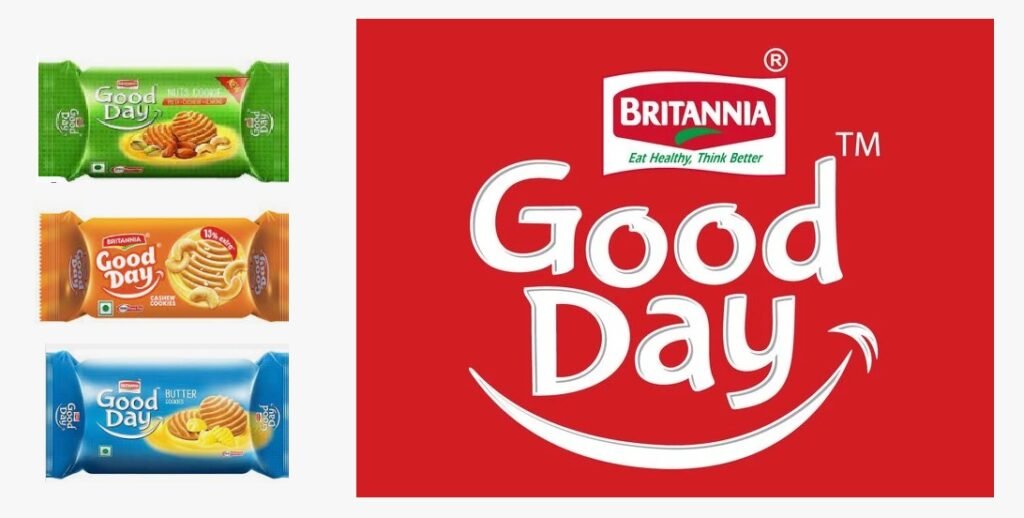
Good Day Biscuits are a popular biscuit brand owned by the over 128-year-old Britannia Industries company. The company also owns a wide range of popular sweetshop brands, including Good Day, Marie, Tiger, Milk Bikis, and Nutrichoice. Brittania also covers milk products such as cheese, butter, milk, and yogurt. Britannia has a widespread distribution channel that reaches more than 5 million retail outlets sells Good Day across India.

swot analysis of good day

Good Day Biscuits are popular for their rich taste and texture. Good Day is also popular among the People in UAE, Europe, North America, South East Asia, and Africa, but they are not prominent in these markets. Surveys in various research show that Good Day is one of India’s most trustworthy cookie brands.

Strength in the SWOT Analysis of Good Day Biscuits – Good Day Biscuits SWOT Analysis

  • Strong Distribution Channel: Good Day is sold in more than 100 cities throughout India, with 5 million retail outlets, and more than 62% of the family in the area. Moreover, the brand is also sold throughout the world in more than 60 countries.
  • Various types of biscuits: Good day biscuits, which are popular in cashew, butter, and nutty variants, are available. Modeled on a cookie, the brand can distinguish itself from the rich taste of a cookie and not a biscuit, but its texture.
  • Smile’s concept: Good Days have built a strong association with happiness and smile by their name, promotional campaigns, and advertisement and design and form. A new package, in which the cookie is placed as a smiley face is also recently launched.
  • Production: Britannia Industries recently made some changes from the previous strategy to start production of its own products, in which everything was outsourced. This can help him keep the signature recipes and make the product as indigenous as possible.
  • Market Share: Britannia holds a 30% market share of the Indian biscuit market. Good Day is No. 1 Player in Cookie Biscuit Segment.
  • High Product Recall: Good Day has a high brand recall due to its aggressive advertising and brand name.
  • Brand Name of Britannia: Brand Name of Britannia is associated with Good Day Biscuits. In the year 1892 Britannia was started in a small house situated at central Calcutta (now Kolkata) as a bakery that makes delicious golden brown biscuits. Britannia makes biscuits for British Officers in British Raj and their families, people who used English tea-time snacking to high standards. Britannia has served Indian consumers with its wide range of rich flavor, fresh and nutritious biscuits. Britannia is today India’s leading food company with more than Rs. 6000 crores of revenue, providing more than half of the Indian population with a wide range of products available across 3.5 million retail outlets.
  • Strong Financial Backing: Good Day Biscuits have the backing of Britannia with a revenue of 1.5 Billion Dollars, Net Income is 1660 Million US Dollars.
  • Large Employee Base: Britannia has an employee base of 4480. This has lead to the continuous production of Good Day Biscuits.

Weaknesses in the SWOT Analysis of Good Day Biscuits – Good Day Biscuits SWOT Analysis

  • Cost: Good day biscuits are made from rich, cost-intensive ingredients such as cashew and butter. However, the prices of biscuits cannot be higher because they are already at a premium level. This can ultimately prove to be a challenge for the firm.
  • More concentration on milk production: Although Brittania Industries has always been in the Biscuit industry, the company now focuses more on dairy products like butter and cheese. The increase in the dairy industry may in the long term affect the clothing companies such as Good Day.
  • Lethargy to change: The Good Day brand hasn’t changed its look or feel since the very beginning of the year, and taste is consistent. Although the recent effort to promote the brand with a smiley face has been a small rebranding, there is still ample room for change.

Opportunities in the SWOT Analysis of Good Day Biscuits – Good Day Biscuits SWOT Analysis

  • Demand for low-calorie products has risen: the good day was always a rich taste, but today the client is aware of calories and looks for healthy cookies that are low in sugar and calories. This can allow ample scope for the cookie-inspired biscuit for new healthy variants.
  • Lifestyle Change: Changing lifestyles and the demand for healthier food products: increased literacy rates, health education, evolving lifestyles, and rising disposable incomes are influencing the market for healthy food products.
  • Overseas Market: extending its business to another international market will enable the company to become a global player in food products.
  • Opportunity to capture Rural Markets: Britannia can tap Rural Markets for Good Day biscuits.
  • Use of Social Media and Modern Trade: Britannia can promote its products on Social Media and use Modern Trade Channels for increasing its sales.

Threats in the SWOT Analysis of Good Day Biscuits – Good Day Biscuits SWOT Analysis

  • The threat of substitution: sugar-based cookies and biscuits may face the threat of organic, sugar-free, and low-calorie biscuits being replaced. There is also a risk that people will stop eating stores and start baking cookies for themselves.
  • Competition: Good Day is also facing competitions from SunFeast, Parle, and so on, other than internal brands such as Marie, Nutri Choice, and Milk Bikis.
  • Laws and Regulations: Government Rules and Regulations can also directly or indirectly affect the sales and production of the company.

If you like this article you can recommend your friends about PROJECTS4MBA.COM

If you like This Article Please Like our Facebook Page PROJECTS4MBA

Cite This Work

Referencing Style to cite this article:
[citationic]

SWOT Analysis of Good Day Biscuits [Detailed] Read More »

SWOT Analysis of Bank of Baroda [Detailed SWOT]

SWOT Analysis of Bank of Baroda focuses on Strengths, weaknesses, opportunities, and threats. Strength and Weakness are the internal factors and Opportunities and Threats are the external factors that influence the SWOT Analysis of Bank of Baroda.

Bank of Baroda (BOB) is a public sector financial institution providing facilities such as personal banking, commercial banking, corporate banking, SME, etc. Bank of Baroda operates mainly in India. Baroda Bank has its registered office at Baroda, Gujarat. The government of India has merged Bank of Baroda, Vijaya Bank and Dena Bank in the year 2018. Bank of Baroda has 107 international branches in 27 Countries. Bank of Baroda was established by Sayaji Rao Gaekwad III in the year 1908.

Lets discuss the SWOT Analysis of Bank of Baroda.

swot analysis of bank of baroda

Strengths in the SWOT Analysis of Bank of Baroda – Bank of Baroda SWOT Analysis

  • Complete Banking Products Portfolio: Bank of Baroda has a wide range of banking services and financial instruments available for its customers.
  • Wide Branch Network: Bank of Baroda, the second-largest bank in India, has a diversified branch network mix that sustains low-cost capital mobilization. Bank of Baroda has over 9482 branches throughout the country and has also reached rural India with over 1964 branches in rural India. Bank of Baroda has 13193 ATMs.
  • Salary Account of Government Employees: Most of the government employees are having salary account in the Bank of Baroda.
  • Strong Capital Position: Bank of Baroda held a strong capital adequacy ratio (CAR) of 13.45 percent as of 31 March 2019. Bank of Baroda has a business of 218 billion US Dollars.
  • Large Customer Base: Bank of Baroda has a customer base of 131 million.
  • Merger: Government has merged Bank of Baroda, Vijaya Bank, and Dena Bank. Bank of Baroda is now the third-largest lender in the country.
  • Interest Rates: Interest rates are less as compared to private sector banks.

Weaknesses in the SWOT Analysis of Bank of Baroda – Bank of Baroda SWOT Analysis

  • NPA: The NPA of Bank of Baroda is increasing year by year. In the year 2019, it was 15610 Crores and in the year 2020, it was 21577 Crore rupees. The bank is not able to decrease this NPA.
  • Less Presence in International Markets: Bank of Baroda has business in 27 countries but the bank is primarily focused on its Indian market. BOB’s must increase their services in international markets to increase its profits.
  • Forex Fraud: A number of employees have been caught in Forex Scam over the years. Even the RBI penalized the Bank of Baroda for a forex fraud of almost 6000 crores. Likewise, there have been other scams concerning bank employees.
  • Less Brand Value: Government banks are known to advertise even less and only on the basis of the available budget. As a consequence, the bank has very poor brand value relative to private banks. In terms of the Government Banks, the Central Bank of India and other subsidiaries of the State Bank, as well as the Bank of India, has higher brand equity.

Opportunities in the SWOT Analysis of Bank of Baroda – Bank of Baroda SWOT Analysis

  • Bancassurance: Most of the banks are promoting products offered by one or the other insurance companies. Bank of Baroda has entered into a joint venture with Andhra Banks and the UK-based firm and promoting products of IndiaFirst Life Insurance. This bancassurance model may have long-term results for the Bank of Baroda.
  • UPI / Payment Bank: New banking products like UPI Payment Wallets are also a great opportunity for the bank. Bank can launch its UPI Payment app like Paytm or PhonePe.
  • Development of Loan Market: Due to developing infrastructure Bank of Baroda can provide loans at less interest rates to potential customers.
  • Business / Personal Loan: The business and personal loan segment can be a great opportunity for Bank of Baroda.

Threats in the SWOT Analysis of Bank of Baroda – Bank of Baroda SWOT Analysis

  • High competition: There are many national and international players in Banking Industry. Due to intense competition business of Bank of Baroda is affected and this can be a major threat to the bank.
  • Online Lending: Online Loans offered by various NBFC and Private Banks can be a major threat to the Personal Loan department of Bank of Baroda.
  • Private banks:  Private banks are a big rival to government banks because of the facilities offered and because of the strong functionality of private banks over government banks.
  • Payment Wallets: Payment Wallets can also affect the business of Banks. This can be a major threat to Bank of Baroda and other government sector banks.

If you like this article you can recommend your friends about PROJECTS4MBA.COM

If you like This Article Please Like our Facebook Page PROJECTS4MBA

Cite This Work

Referencing Style to cite this article:
[citationic]

SWOT Analysis of Bank of Baroda [Detailed SWOT] Read More »

SWOT Analysis of Acer – Acer SWOT Analysis [Detailed SWOT]

SWOT Analysis of Acer focuses on Strengths, weaknesses, opportunities, and threats. Strength and Weakness are the internal factors and Opportunities and Threats are the external factors that influence the SWOT Analysis of Acer.

swot analysis of acer

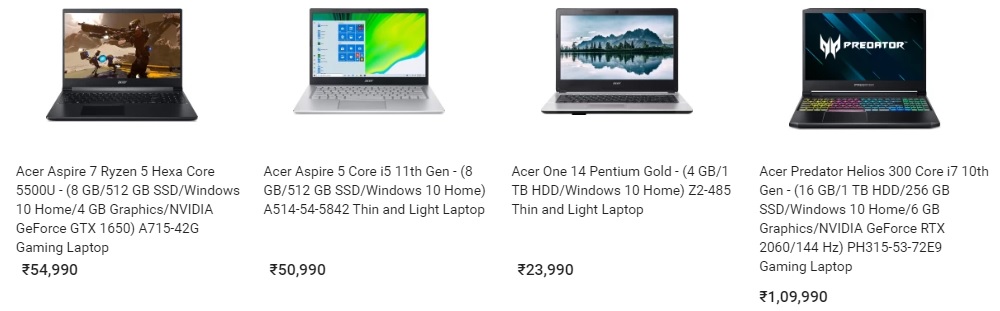
Acer is one of the leading consumer electronic companies. Acer has a great presence in servers, laptops, desktops, monitors, displays, tablets, handhelds, and smartphones. Acer has its headquarters in Taiwan. Acer is ranked 6th by sales among the PC Vendors in the world. Acer has its operations throughout the world. The company employs over 7,000 people, with offices in 40 different countries. Gateway Inc., eMachines, Packard Bell, and Escom are the subsidiaries of Acer.

swot analysis of acer - 01

Acer India had been a fully owned company of Acer International has started its operation in India in the year 1999. It is a prominent company in mid-range laptop PCs and low-range notebooks. Although in India, the Acers headquarters is in Bangalore.

Strength in the SWOT Analysis of Acer – Acer SWOT Analysis

  • Low Pricing Strategy: Compared to other brands such as Dell, HP, Apple, etc., Acer offers Laptops at a cheaper rate, which is an advantage for the company. Thus we can say that Acer is following a Low Pricing strategy. One of the reasons Acer’s ability to market devices at a lower cost is its operational efficiency.
  • Supply Chain: The supply chain of Acer is recognized and benchmarked as an indicator of end-to-end operating performance.
  • International Presence: Acer has more than 7000 staff worldwide working in 40 countries and has store stores scattered across 160 countries.
  • Reach Masses: Acer has been able to reach the masses due to its multinational footprint and has been active in retaining a low price structure.
  • Netbooks: Acer has a list of netbooks and Chromebooks that are often classified as small notebooks. Acer laptops have been widely accepted on the market. Acer is the largest netbook brand.
  • Rankings: Acer is the sixth-ranked brand in the Laptop sector and has a market share of 6.9 percent.
  • Distribution Channel: The distribution channel of Acer is good and has a wide reach.
  • Employee Training: Acer is giving special emphasis on Employee training to increase its earnings.
  • Research and Development: Acer is involved in research and development which will help the company to increase its profits.

Weaknesses in the SWOT Analysis of Acer – Acer SWOT Analysis:

  • Low Presence in B2B Market: Acer has a comparatively less presence in B2B markets compared to rivals such as Dell, HP, Lenovo, etc.
  • Product Range: Acer wants to expand its product range by including quality brands as well as diverse realms. Its lower pricing strategies drive customers away from it searching for quality or customized items. Acer is often the subject of a negative impression that low price and low quality are equivalent.
  • Quality Concerns: As long as you hold the price of the goods down, customers feel that the quality of the product would be lower. This is a rough time reaching the Acer brand. The perceived consistency of the brand is poor due to its penetrative costs.

Opportunities in the SWOT Analysis of Acer – Acer SWOT Analysis

  • Low Price Opportunities: With the introduction of computers and the internet, demand for laptops and cell phones is on the rise. Acer, having a range of low-priced goods will make effective use of this opportunity.
  • Economic slowdown due to Pandemic: In a circumstance of economic slowdown, Acer could be the preferred alternative to ensure lower cost efficiency.
  • Gaming / Premium Laptop Demand: Due to the increased demand for gaming and virtual reality people prefer gaming laptops. This demand can be seen as an opportunity by Acer. While cost is the benefit of Acer, it may deliver a premium line of high-performance and rugged laptops. This adds market equity to the brand and will later contend with top players like HP, Dell, or Hewlett Packard.
  • New markets: Acer can extend its footprints in the new emerging markets in developing countries to increase its profits.

Threats in the SWOT Analysis of Acer – Acer SWOT Analysis

  • Intense Competition: There are many players in the market and Acer is facing tough competition from HP, Lenovo, MSI, Dell, etc.
  • Low margins: Low margins can influence the brand in the long run. Acer has to change the margins to increase the margins resulting in the reinvestment of the brand in branding and marketing practices. If penetration pricing persists, the net margins would be lower.
  • Government Norms: Government norms in many countries can have a direct impact on the business of Acer.

If you like this article you can recommend your friends about PROJECTS4MBA.COM

If you like This Article Please Like our Facebook Page PROJECTS4MBA

Cite This Work

Referencing Style to cite this article:
[citationic]

SWOT Analysis of Acer – Acer SWOT Analysis [Detailed SWOT] Read More »

SWOT Analysis of BPCL – BPCL SWOT Analysis [Detailed]

SWOT Analysis of BPCL focuses on Strengths, weaknesses, opportunities, and threats. Strength and Weakness are the internal factors and Opportunities and Threats are the external factors that influence the SWOT Analysis of BPCL.

BPCL is an Indian refining firm. It’s one of the largest companies in the country.  BPCL focuses on the manufacturing, marketing, and distribution of petroleum products. Some of them are petrol, diesel, lubricants, natural gas, CNG, LPG, Aviation Fuel, Kerosene, and industrial kerosene. BPCL is one of the Fortune 500 companies. Two of the main operating refineries are situated in Kochi and Mumbai, Maharashtra. The headquarters of BPCL is located in Mumbai. It is considered one of India’s most trusted companies.

swot analysis of bpcl

Strengths in the SWOT Analysis of BPCL – BPCL SWOT Analysis

  • Recall: Almost everybody recognizes BPCL because of its powerful brand recall.  People will locate their fuel stations almost anywhere, and often people use their LPG cylinders. As a result, they have achieved great brand recall and a high level of confidence among consumers.
  • Social Acceptance: BPCL has a wide appeal because of its distribution channels. Its petrol and gas are available everywhere.  Thus they achieved good brand preference and strong social acceptance amongst the consumers.
  • Wide Network: BPCL has over 14,000 fuel stations and expanding its network to reach suburbs of the country.
  • Production Capacity: large refineries have been built up, giving them a considerable edge over their rivals. Its production capacity is also high as compared to its competitors. This raises the value and happiness of consumer order fulfillment.
  • Broad Product portfolio: BPCL has a broad product portfolio and continues to add to the list due to its R&D.
  • Research and Development: R&D is a very critical aspect of BPCL and is at the heart of their market. BPCL needs this to expand its product offering in order to maximize its sales and market share. BPCL continues to explore crude oil whether they can extract some other valuable items or improve the value of those already present. Few of their success include fuel oil, semi-synthetic 4T engine oil, hydraulic oils, etc.
  • Non-Traditional Sources: Apart from conventional sources, they recognize that it is necessary to expand its business through Bio-diesel, biofuel plantation, the establishment of bio-diesel installations, solar turbines, wind farms, etc. This reflects their solid foundation for the future.
  • Collaboration for Recruitment: Work with the brightest minds in the country for the R&D department. This gives them the edge over their competitors. BPCL recruits top brains from IITs, NITs, IISc, and Top Petroleum Colleges, etc.
  • Rural Reach: BPCL has a good rural reach and is developing its network.
  • Strong Financials: BPCL has a total revenue of US 40 Billion Dollars, Net Income of US 430 Billion Dollars. The government of India has a stake of 52.98% in BPCL. Employee’s strength in BPCL is about 12157 employees.

Weaknesses in the SWOT Analysis of BPCL – BPCL SWOT Analysis

  • Rules of the Government: Activities of BPCL are bound by legislation. Thus they cannot work independently on their own and raise their earnings like a private company.
  • Employees: As a government entity, BPCLneeds more than enough employees to manage its activities. More employees mean more expenditure on salaries and extra benefits. This will create an additional burden on the corporation.
  • Environmental issues: refining causes a lot of contamination and waste that is poured into the environment. Some time due to contamination it will create environmental issues. And ruins the reputation of the company.
  • Operational locations: Activities of BPCL are restricted to India. BPCL can develop strategies to increase its presence in international markets.

Opportunities in the SWOT Analysis of BPCL – BPCL SWOT Analysis

  • Oil Well discovery: New oil well can be searched when the cost of petroleum goods may rise in the future. This is going to allow them more leverage.
  • Growing demand: Due to the increasing population demand for petrol, diesel, and cooking gas is increasing. This suggests that the demand is rising at a very high pace and that BPCL has the opportunity to tap this growing demand.
  • Joint Ventures and Acquisitions: BPCL can do joint ventures with other foreign companies and can also acquire companies to increase their reach and profits.
  • Global markets: They will increase their footprints in International Market. These markets can help the company to increase its profits.

Threats in the SWOT Analysis of BPCL – BPCL SWOT Analysis

  • Use of Electric Vehicles and Induction Cooktops: Use of Electric Vehicles and Induction cooktops can be a major threat to companies like BPCL.
  • Oil Price Fluctuations: Oil Prices are fluctuating this can led to decreased earnings.
  • Decrease of conventional energy use: the atmosphere is getting increasingly environmentally sustainable and conventional energy supplies are therefore rapidly depleting. People have taken this into consideration and have begun to migrate to non-conventional sources.
  • Intense Competition: BPCL is getting intense competition from HPCL, IOCL, and ONGC and some of the private companies like Reliance, Shell, and Essar.

If you like this article you can recommend your friends about PROJECTS4MBA.COM

If you like This Article Please Like our Facebook Page PROJECTS4MBA

Cite This Work

Referencing Style to cite this article:
[citationic]

SWOT Analysis of BPCL – BPCL SWOT Analysis [Detailed] Read More »

List of Valid Distance Learning Universities of India

This is the list of Approved Distance Education Universities in India. As you know to run distance education permission of Distance Education Council the main requirement. List of Valid Distance Learning Universities of India is listed below.

List of Universities which are running Distance Education in other states and are approved by DEC are as follows :

NATIONALOPENUNIVERSITY

  • Indira Gandhi National Open University,New Delhi

STATE OPEN UNIVERSITIES

  • Dr. B.R.Ambedkar Open University,Hyderabad
  • Dr. Babasaheb Ambedkar Open University, Ahmedabad,Gujarat
  • KarnatakaStateOpen University,Mysore, Karnataka
  • KrishanakantHandiqueStateOpen University,Guwahati,Assam
  • M.P.Bhoj(Open) University,Bhopal.
  • Nalanda Open University,Patna,Bihar
  • Netaji Subhas Open University, Kolkata, WB
  • Pt. Sunderlal Sharma (Open) University, Bilaspur, Chattisgarh
  • Tamil Nadu Open University, Chennai, Tamil Nadu
  • U.P.Rajarshi Tandon Open University,Allahabad, UP
  • Uttarakhand Open University, Haldwani, Uttarakhand
  • Vardhaman Mahaveer Open University,Kota, Rajasthan
  • Yashwantrao Chavan Maharshtra Open University,Nasik,Maharashtra

DUAL MODE UNIVERSITIES

ANDHRA PRADESH

  • AndhraUniversity,Vishakhapatnam
  • UniversityofEnglishand Foreign Languages,Hyderabad
  • Jawaharlal Nehru Technological University,Hyderabad
  • KakatiyaUniversity,Warangal
  • MaulanaAzadNationalUrduUniversity,Hyderabad
  • AcharyaNagarjunaUniversity,Guntur
  • NationalAcademyof Legal Studies andResearchUniversity(NALSAR),Hyderabad
  • OsmaniaUniversity,Hyderabad
  • PottiSreeramuluTeluguUniversity,Hyderabad
  • Rashtriya Sanskrit Vidyapeeth, Tirupati
  • Sri Krishnadevaraya University, Anantapur
  • Sri Venkateswara University, Tirupati
  • Sri. Padmavathi Mahila Visvavidyalayam, Tirupati
  • UniversityofHyderabad,Hyderabad
  • DravidianUniversity, Kuppam
  • GITAMUniversity,Vishakhapatnam
  • RayalseemaUniversity,Kurnool

ARUNACHAL PRADESH

  • RajivGandhiUniversity, Itanagar
  • ASSAM
  • DibrugarhUniversity, Dibrugarh
  • GauhatiUniversity, Guwahati
  • AssamDonBoscoUniversity, Guwahati

BIHAR

  •  B.R.A.BiharUniversity, Muzaffarpur
  • LalitNarayanMithilaUniversity, Darbhanga
  • MagadhUniversity, Bodh Gaya
  • PatnaUniversity,Patna

CHATTISGARH

  • Pt.RaviShankarShuklaUniversity,Raipur
  • MATSUniversity,Raipur
  • Dr. C. V. Raman University, Bilaspur

DELHI

  • Jamia Milia Islamia,New Delhi
  • Jamia Hamdard,New Delhi
  • Rashtriya Sanskrit Sansthan (Demed University),Delhi
  • GuruGobindSinghIndraprasthaUniversity,Delhi
  • UniversityofDelhi,Delhi
  • AIMA,Delhi
  • InstituteofRailTransport,New Delhi
  • TECNIA Institute of Advanced Studies (CDL), Rohini,New Delhi
  • Institute of Management and Development,Delhi

GUJARAT

  • GujaratVidyapith, Ahmedabad
  • SumandeepUniversity, Boroda
  • Entrepreneurship Development Institute ofIndia, Ahmedabad
  • SaurashtraUniversity,Rajkot

HARYANA

  • Chaudhary Devilal University, Sirsa
  • Guru Jambheshwar University, Hisar
  • Kurukshetra University, Kurukshetra
  • MaharishiDayanandUniversity, Rohtak
  • MaharshiMarkandeshwarUniversity, Amblala
  • Manav Rachna International (Deemed University)Faridabad
  • IILM Institute of Higher Education, Gurgaon
  • JKBusinessSchool, Gurgaon, Haryana

HIMACHAL PRADESH

  • HimachalPradeshUniversity, Shimla

JAMMU & KASHMIR

  • UniversityofJammu,Jammu
  • UniversityofKashmir,Srinagar

KARNATAKA

  • BangaloreUniversity,Bangalore
  • GulbargaUniversity,Gulbarga
  • KannadaUniversity, Hampi
  • KarnatakaUniversity, Dharwad
  • KuvempuUniversity, Shimoga
  • MangaloreUniversity, Mangalore
  • ManipalUniversity, Manipal
  • NationalLawSchoolofIndiaUniversity,Bangalore
  • Swami Vivekananda Yoga Anusandhan Sansthan, Bangalore
  • Visvesvaraya Technological University,Belgaum
  • Bharatiya Vidya Foundation,Bangalore

KERALA

  • Kannur University, Kannur
  • Mahatma Gandhi University, Kottayam
  • UniversityofCalicut,Kozhikode
  • UniversityofKerala, Thiruvananthapuram

MADHYA PRADESH

  • AwadheshPratapSinghUniversity, Rewa
  • Barkatullah Vishwavidyalaya,Bhopal
  • Devi Ahilya Vishwavidyalaya,Indore
  • Dr. Harisingh Gour Vishwavidyalaya, Sagar
  • JiwajiUniversity,Gwalior
  • M.G.Chitrakoot Gramodaya Vishwavidyalaya, Chitrakoot
  • Maharishi Mahesh Yogi Vedic Vishwavidyalaya, Katni
  • RaniDurgawatiUniversity,Jabalpur

MAHARASHTRA

  • BharatiVidyapeethUniversity, Pune
  • Dr. D Y Patil University, Pune
  • International Institute for Population Sciences, Mumbai
  • Mahatma Gandhi Antarrashtriya Vishwidayala, Wardha
  • Narsee Monjee Institute of Management Studies, Mumbai
  • Padamshree Dr. D Y Patil University, Navi Mumbai
  • Sant Gadge Baba Amravati University, Amravati
  • ShivajiUniversity,Kolhapur
  • SNDT- Women’s University, Mumbai
  • SwamiRamanandTeerthMarathwadaUniversity, Nanded
  • Tata Institute of Social Sciences, Mumbai
  • Tilak Maharashtra Vidyapeeth, Pune
  • UniversityofMumbai, Mumbai
  • Balaji Institute of Modern Mgt., Pune
  • Mumbai Education Trust, Mumabi
  • Rashtrabasha Prachar Samiti, Wardha
  • Symbiosis Centre for Distance Learning, Pune
  • Welingkar Institute of Management Development and Research, Mumbai
  • Sinhgad Technical Education Society,Maharashtra
  • MITSchoolof Distance Education, Pune,Maharashtra
  • Indira International Distance Education Academy, Indira Group of Institutes, Pune
  • PSBEducational Foundation, Pune,Maharashtra
  • IndianInstituteofMaterialManagement, Navi Mumbai
  • MEGHALAYA
  • North-EasternHillUniversity, Shillong
  • Mahatma Gandhi University, Khana Para, Meghalaya

MIZORAM

  • ICFAI, Aizwal

NAGALAND

  • The Global Open University, Dimapur

ORISSA

  • BerhampurUniversity, Berhampur
  • FakirMohanUniversity, Balasore
  • NorthOrissaUniversity, Mayurbhanj
  • SambalpurUniversity, Sambalpur
  • UtkalUniversity, Bhubaneshwar
  • AsianSchoolofBusinessManagement, Bhubaneshwar

PUDUCHERRY

  • PondicherryUniversity, Puducherry

PUNJAB

  • GuruNanakDevUniversity,Amritsar
  • LovelyProfessionalUniversity, Phagwara
  • PanjabUniversity,Chandigarh
  • PunjabTechnicalUniversity, Jalandhar
  • PunjabiUniversity,Patiala
  • Thapar Instt. Of Engg. & Technology,Patiala

RAJASTHAN

  • IASE Deemed University, Sardarshar
  • Jain Vishva Bharati Institute, Ladnun
  • JRN Rajasthan Vidyapeeth,Udaipur
  • NIMSUniversity, Jaipur
  • JaipurNationalUniversity, Jaipur
  • Birla Institute of Technology & Sciences (BITS), Pilani
  • JaganNathUniversity, Jaipur
  • BhagwantUniversity,Ajmer
  • Jayoti Vidyapeeth Women’s University, Jaipur
  • SIKKIM
  • SikkimManipalUniversity, Gangtok
  • ICFAI, Gangtok
  • EIILMUniversity, Jorethang

TAMIL NADU

  • AnnamalaiUniversity, Annamalainagar
  • Bharath Institute of Higher Education and Research, Chennai
  • BharathiarUniversity,Coimbatore
  • BharathidasanUniversity, Tiruchirapalli
  • Dakshin Bharat Hindi Prachar Sabha, Chennai
  • Dr. MGR University, Chennai
  • Gandhigram Rural Institute, Gandhigram
  • MaduraiKamarajUniversity,Madurai
  • ManonmaniamSundaranarUniversity, Tirunelvali
  • PeriyarUniversity,Salem
  • Shanmugha Arts, Science, Technology &ResearchAcademy(SASTRA), Thanjavur
  • Sri Chandrasekharendra Saraswathi Viswamahavidyalaya, Kanchipuram
  • KarpagamUniversity,Coimbatore
  • SriRamachandraUniversity, Chennai
  • SRMUniversity, Kanchipuram
  • Tamil Nadu Agricultural University,Coimbatore
  • Tamil Nadu Dr. Ambedkar Law University, Chennai
  • TamilUniversity, Thanjavur
  • UniversityofMadras, Chennai
  • PRISTUniversity, Thanjavur
  • PeriyarManimmaiUniversity, Thanjavur
  • KarunyaUniversity,Coimbatore
  • Vinayaka Mission ‘s University,Salem
  • AlagappaUniversity, Karaikudi, Tamil Nadu
  • St. Peter’s University, Chennai
  • Mother Teresa Women’s University, Kudaikanal
  • Confederation of Indian Industry of Logistics, Chennai
  • MeenakshiAcademyof Higher Education and Research (MeenakshiUniversity), Chennai

TRIPURA

  • TripuraUniversity, Suryamaninagar
  • TheICFAIUniversity, Agartala

 UTTAR PRADESH

  • Aligarh Muslim University, Aligarh
  • AmityUniversity, Noida
  • Dayalbagh Educational Institute (Deemed University),Agra
  • Dr. B.R. Ambedkar University,Agra
  • JagatguruRamBhadracharyaHandicappedUniversity, Chitrakoot Dham
  • Shobhit Institute of Engg. & Tech. (Deemed University),Meerut
  • UniversityofAllahabad,Allahabad
  • UniversityofLucknow,Lucknow
  • SwamiVivekanandaSubhartiUniversity,Meerut
  • NIMT Greater Noida
  • IMT Distance and Open Learning Institute,Ghaziabad
  • BLS Institute of Management,Ghaziabad
  • IndianInstituteofCarpetTechnology, Bhadohi, UP
  • NIMT Institute of Technology and Management,Ghaziabad, UP
  • UTTARAKHAND
  • Dev Sanskriti Vishwavidyalaya, Haridwar
  • Gurukul Kangri Vishwavidyalaya, Haridwar
  • University of Petroleum and Energy Studies, Dehradun
  • ICFAIUniversity, Dehradun

WEST BENGAL

  • JadavpurUniversity, Kolkata
  • RabindraBharatiUniversity, Kolkata
  • UniversityofBurdwan, Burdwan
  • UniversityofKalyani, Kalyani
  • UniversityofNorth Bengal,Darjeeling
  • VidyasagarUniversity, Midnapore

Any University that has Deemed to Be University status can not run Distance Education Courses outside the state. If they want to run distance education course outside the state universities have to get recognition from Distance Education Council.

This is the latest List of approved Universities but you can recheck at : www.dec.ac.in before joining a distance education course.

List of Valid Distance Learning Universities of India Read More »

SWOT Analysis of Bausch and Lomb [Detailed SWOT]

SWOT Analysis of Bausch and Lomb focuses on Strengths, weaknesses, opportunities, and threats. Strength and Weakness are the internal factors and Opportunities and Threats are the external factors that influence the SWOT Analysis of Bausch and Lomb.

swot analysis of bausch and lomb

Bausch and Lomb are involved in the business of eye care products including contact lenses and lens care products. Bausch and Lomb is an entity owned by Warburg Pincus Company. Bausch & Lomb is a dominant player in the market and plays a major role in eye care products. Bausch and Lomb are headquartered in Quebec, Canada. The company is the largest manufacturer and supplier of contact lenses, lenses, pharmaceuticals, intraocular lenses, and products for eye surgery.

Strength in the SWOT Analysis of Bausch and Lomb – Bausch and Lomb SWOT Analysis

Some of the strengths known as the internal factors in SWOT Analysis of Bausch and Lomb are listed below:

  • Market Share: The market share of Bausch and Lomb has an important place in the ophthalmology market. The company’s growth was attributed to success of this product. In this way, it will increase the ability of the company to generate revenue.
  • Product Portfolio: Bausch and Lomb have a broad product range.
  • Business: Bausch and Lomb operate in over 100 countries. It insulates a firm from market and trade fluctuations. The company’s presence in foreign countries such as Saudi Arabia has led to rising revenues.
  • Distribution Network: Distribution Network of Bausch and Lomb is very good. The company has a good reach in urban areas.
  • Employees: Key Strength of any company is its employees. Bausch and Lomb have 12000 employees. The company is investing a large amount of money on the training and development of employees.
  • Research and Development: Company has a separate team for Research and Development. The company is giving special emphasis on research and development.

Weaknesses in the SWOT Analysis of Bausch and Lomb – Bausch and Lomb SWOT Analysis

Some of the Weakness known as the internal factors in SWOT Analysis of Bausch and Lomb are listed below:

  • High Pricing: Products by Bausch and Lomb are relatively costly for the local market. This will limit the company’s expansionary potential.
  • Rural Market Penetration: The rural penetration of Bausch and Lomb is much less due to the lack of awareness in rural areas and also to the comparatively higher price of products compared to competitors.
  • Expenditure on New Technology: Bausch and Lomb are investing more money in technology to increase efficiency across the globe. Investing in technologies right now is not a wise decision for the company.

Opportunities in the SWOT Analysis of Bausch and Lomb – Bausch and Lomb SWOT Analysis

  • New Products: Bausch and Lomb are known for their innovative products. They should look forward to launching new products at frequent intervals to cater to changing market demands and increase the company’s brand visibility.
  • New Trends: The new trends in consumer behavior will open up new markets for Bausch and Lomb. This has given a great opportunity for the organization to expand revenue streams and to diversify into new product categories.
  • Increasing Urban Population: The urban population is growing especially in emerging nations. According to consumer data, Bausch and Lomb are already popular in the urban markets and therefore this is an opportunity for growth for the company.

Threat in the SWOT Analysis of Bausch and Lomb – Bausch and Lomb SWOT Analysis

  • High Competition: Ophthalmic product market is very competitive. The organization has been competing with Crizal, Vistakon, etc., so far. The intense rivalry in this field influences the company’s market share.
  • Lack of Diversification: However, while Bausch and Lomb have a strong presence in the ophthalmology industry, it is not a strong player in another field. This might influence the business’ long-term growth. Both companies should diversify their businesses to prevent a potential loss.
  • Changing Prices: Pricing changes from rivals may be a big challenge to the business.
  • Government Policies: Government policies and laws are threats to Bausch and Lomb.
  • Raw Material Prices: Increasing costs of raw materials will hurt Bausch and Lomb.

If you like this article you can recommend your friends about PROJECTS4MBA.COM

If you like This Article Please Like our Facebook Page PROJECTS4MBA

Cite This Work

Referencing Style to cite this article:
[citationic]

SWOT Analysis of Bausch and Lomb [Detailed SWOT] Read More »

SWOT Analysis of GlaxoSmithKline [Explained]

SWOT Analysis of GlaxoSmithKline focuses on Strengths, weaknesses, opportunities, and threats. Strength and Weakness are the internal factors and Opportunities and Threats are the external factors which influence the SWOT Analysis of GlaxoSmithKline.

GlaxoSmithKline (GSK) is a multinational pharmaceutical and consumer health product Company located in Brentford in the UK. In comparison, the organisation has a number of areas of the globe and has activities in over 100 nations. GSK is looking forward to expanding its product line by research and growth. GSK is the oldest pharmaceutical company in India. It has a wide range of prescription medicines and vaccines. GSK is producing medicines for dermatology, gynaecology, oncology, cardiovascular and diabetes. In India GSK as 3500 employees.

SWOT Analysis of GlaxoSmithKline

Strengths in the SWOT Analysis of GlaxoSmithKline – GlaxoSmithKline SWOT Analysis

  • Research and Development: Good Research and Development helps in portfolio expansion. GSK has invested time and money in research and development. GSK manufactures preventive or life-saving drugs such as cardiovascular and respiratory disorders. GSK is a leading multinational pharmaceutical business.
  • Good Manufacturing Practices (GMP): GlaxoSmithKline follows GMP to manufacture medicines and health care products.
  • Distribution Network: GSK has strong distribution network in India as well as around the globe. An effective supply chain is essential to ensure production of its goods as well as the provision of its newest products to the consumer quickly.
  • Global Footprint: GSK is present in 100 countries and it is expanding in developing and developed markets.
  • Joint Ventures: GlaxoSmithKline and Novartis have joint venture that produces Vaccines. The joint venture helped both GSK and Novartis to improve their penetration rate, launch innovative drugs and expand market share.
  • Use of Technology: GSK is using state of art technology for manufacturing of drugs and health care products.
  • Product Innovation: GSK is still innovating. This is supported by the company’s Pharmacists, R&D Experts, engineers and machinery which allow GSK in improving in quality, cost, packaging and higher efficiencies.
  • Good ROI: GSK is relatively successful at the execution of new products and it generates good profits through its existing business and established medicines and healthcare products. Company is generating good Return on its investments.
  • Good Training for its Employees: High level personal skills can be acquired through training and development programmes. GSK Inc is providing continuous training and development of its employees resulting in an enthusiastic and motivated team.

Weaknesses in the SWOT Analysis of GlaxoSmithKline – GlaxoSmithKline SWOT Analysis

  • Allegations: GSK has been convicted for wrongful deceptive policies, misleading claims for generic medications, and failing to disclose safety results. Due to these cases, the brand value of the company is ruined.
  • Competition from Generic Medicine Manufacturers: Most of the GSK product range is now completely open to competition from generic medication. Affect the revenues for GSK.

Opportunities in the SWOT Analysis of GlaxoSmithKline – GlaxoSmithKline SWOT Analysis

  • Acquisitions: Strategic acquisitions and partnership has proven to be successful. GSK’s corporate development is attributed to organic expansion. Acquisitions and alliances enable GSK to grow and raise its market share.
  • New Markets: GSK has organization structure that can be expanded. GSK is looking for new markets to enter and increase its revenues.
  • Rising Demand of Pharmaceutical Products: Because of the rising demand for premium and advanced pharmaceutical products in developing nations like India, GSK will boost its bottom-line and top-line.

Threats in the SWOT Analysis of GlaxoSmithKline – GlaxoSmithKline SWOT Analysis

  • Price caps on drugs: The prices of medicines are governed by legislation in several countries. In India, a new cost reform bill has been proposed that may push down costs of certain generic drugs.
  • Intense Competition: There are many players in the Pharmaceutical industry especially generic medicine manufacturers. The rivalry in the industry is quite high and results in a “market war.”
  • Government Rules and Regulations: Any change in government policies can directly or indirectly affect the profits of the company.
  • New Entrants: New entrants in the Pharmaceutical companies can also be a threat to GlaxoSmithKline .

If you like this article you can recommend your friends about PROJECTS4MBA.COM

If you like This Article Please Like our Facebook Page PROJECTS4MBA

Cite This Work

Referencing Style to cite this article:
[citationic]

SWOT Analysis of GlaxoSmithKline [Explained] Read More »

SWOT Analysis of Godrej Consumer Product Limited – GCPL SWOT Analysis

SWOT Analysis of Godrej Consumer Product Limited focuses on Strengths, weaknesses, opportunities, and threats. Strength and Weakness are the internal factors and Opportunities and Threats are the external factors which influence the SWOT Analysis of Godrej Consumer Product Limited.

swot analysis of godrej consumer product limited- 0

Godrej Consumer Products (GCPL) is a leading consumer goods company in India. Godrej Consumer Products Limited registered office is located at Mumbai, Maharashtra. GCPL’s has a wide range of products i.e. soaps, liquid detergents, toiletries, beauty, home care, hair colors, hair care and fabric care products. GCPL works in more than 60 separate countries all around the world. GCPL has reported solid growth in the last few years. GCPL is operating from 7  locations. GCPL employs 21000 employees.

Strength in the SWOT Analysis of Godrej Consumer Product Limited – GCPL SWOT Analysis

  • Product Profile: GCPL is a popular FMCG business with a large variety of goods. Godrej goods are used by over 600 million people every day. The brand range of the business means that it serves several different customers.
  • Competitive Advantage: GCPL has good competitive advantage in many categories. GCPL is an industry pioneer in the group of hair colours, insecticides, soaps, and liquid detergents. GCPL appears to be a leading name in the soap group.
  • Brand Power: Understanding the need for a powerful brand identity, GCPL has been able to build strong labels such as Good Knight, Godrej No.1 and Cinthol. Because of good promotion and delivery campaigns, GCPL brands have been received well and enjoy high brand recognition.
  • Product Innovation: GCPL is still innovating. This is supported by the company’s engineers and machinery which allow GCPL to improvements in quality, cost reduction, packaging improvements and higher efficiencies.
  • Foreign Footprint: GCPL has a strong foreign footprint. GCPL is on the hunt for foreign markets to boost its sales sources. Foreign sales accounted for around 47.5% of GCPL’s overall revenue.
  • Distribution Network: GCPL has a strong distribution network of 142 Stockist, 3175 sub stockists and 33 C&F Agents.  Company has a coverage of 6.5 Lakh retailers in India. Sales Team of Godrej Consumer Products Limited is about 250 employees across the country.
  • Good ROI: GCPL is relatively successful at the execution of new products and it generates good profits through its existing business and established products. Company is generating good Return on its investments.
  • Good Training for its Employees: High level personal skills can be acquired through training and development programmes. GCPL Inc is providing continuous training and development of its employees resulting in an enthusiastic and motivated team.
  • Research and Development: GCPL has a separate Research and Development Department. GCPL is investing a lot of money on Research and Development of New Products.

Weaknesses n the SWOT Analysis of Godrej Consumer Product Limited – GCPL SWOT Analysis

  • Increasing Product Cost: One of the major problems faced by GCPL as a brand is the increase in the cost of transport, labour and other distribution and operating costs of the brand over the years. That naturally affects the pricing of the product.
  • Less Earning due to Competition: A lot of competition means more and more price discounts and therefore lower margins result in price struggles. This is an overall problem in the market for Consumer products.
  • Rural Market Penetration: The rural penetration of GCPL is much less due to the lack of awareness of the importance of consumer products in rural areas and also to the comparatively higher price of products compared to rural products.
  • Spend New Technology: GCPL needs to spend more money on technology to increase efficiency across the globe. Investing into technologies right now is not a wise decision for the company.

Opportunities in the SWOT Analysis of Godrej Consumer Product Limited – GCPL SWOT Analysis

  • Increasing Global Presence: GCPL joined the worldwide marketplace. GCPL can tap global markets of developed and developing countries to increase its presence and generate more revenue.
  • Acquisition: GCPL is accelerating its growth by acquiring global and local companies. This helps the company’s business penetration.
  • Increasing Spending Power: With a rise in buying power and improving lifestyles, the personal care sector is projected to develop. There would be positive effect on personal care industry due to rise in demand of personal care goods.
  • Social Media Marketing: Social Media Marketing and Online Marketing is creating good opportunities for the company.

Threats in the SWOT Analysis of Godrej Consumer Product Limited – GCPL SWOT Analysis

  • Consumer piracy: Brand security is impaired by the existence of counterfeit goods. In the Indian market, spurious goods impact a large portion of revenue.
  • Intense Competition: Competition is so high that brands defend there core strength and attack weaknesses of competitors. GCPL is also facing intense competition from other brands.
  • Changing Prices: Changing Prices by competitors can be a major threat to the company.
  • Government Rules and Regulations: Government rules and regulations can be major threat and can directly or indirectly affect the business of GCPL.
  • Raw Material Prices: Rising raw material prices can threaten GCPL profitability.
  • Imported Products: Increases in minimum wages and prices of imported products in China could spell serious threat for GCPL.
  • Macro Economic Factors: Because of the volatile world financial markets, GCPL is exposed to volatile international macro-economic indicators.

If you like this article you can recommend your friends about PROJECTS4MBA.COM

If you like This Article Please Like our Facebook Page PROJECTS4MBA

Cite This Work

Referencing Style to cite this article:
[citationic]

SWOT Analysis of Godrej Consumer Product Limited – GCPL SWOT Analysis Read More »