SWOT Analysis of Rado [Explained]

SWOT Analysis of Rado focuses on Strengths, weaknesses, opportunities, and threats. Strength and Weakness are the internal factors and Opportunities and Threats are the external factors that influence the SWOT Analysis of Rado.
Strengths are defined as the best thing every company does in its range of activities that can give it hold on its competitors. Weaknesses are used in areas in which improvement of the business or brand is necessary. Opportunities are the environmental avenues around the enterprise that can be used to increase its income. Threats are environmental factors that can adversely affect business growth.

Rado is a Luxury watch watchmaking company founded in 1917 at Lengnau, Switzerland. It released its first scratch-resistant watch in 1962. Currently, the company employs roughly 470 employees and produces approximately half a million watches every year.

Rado is a globally recognized brand known for its innovative design and use of cutting-edge materials to create appealing and long-lasting watches. Rado watches come in a range of shapes and colours. Rado watches are built of a range of materials, including Carbide, Ceramics, and Sapphire Crystal. For many years, Rado watches have embraced a high-tech ceramic approach, and it has played an important part in the watchmaking process.

The most significant pieces of art and craftsmanship in this collection are high-tech ceramic clocks. They have a smooth, beautiful surface that may be glossy or matte, and they come in a range of colours. Rado watches have a more understated approach to bling. They are light, hypoallergenic, and very comfortable to wear. The Rado brand has received many significant international design awards, and the business works with notable designers to produce new timepieces.

It also conducts Rado Star Prize awards for ambitious young designers all across the globe. Rado’s various ground-breaking watches are based on innovation.
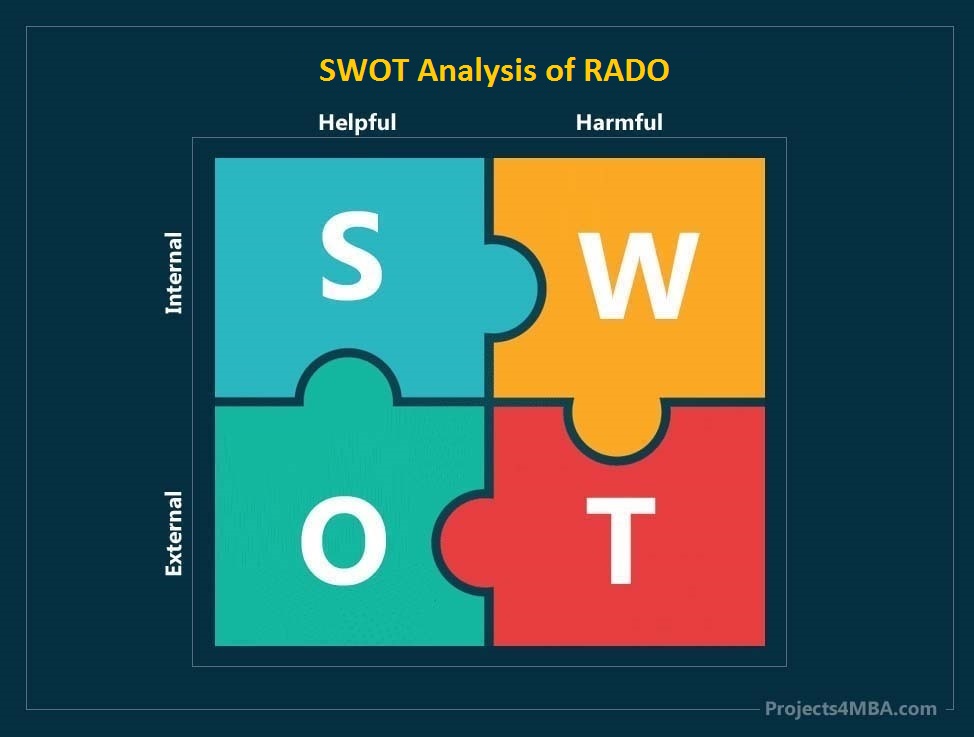
swot analysis of rado

This article focuses on SWOT Analysis of RADO

Strengths in the SWOT Analysis of Rado – Rado SWOT Analysis

  • Awards and Recognitions: The Rado brand has received a number of renowned international design awards, and it also works with leading designers to create new timepieces. The business has received over 30 international design honours. Rado has entered the Guinness Book of World Records for the first time with the creation of a high-tech diamond. Its brand position as a technically proficient material user has improved.
  • Innovative Material: Rado timepieces are distinguished by their use of innovative materials. These materials are quite varied in nature and are not limited to a certain design, which is the primary selling point of Rado watches.
  • Sponsorships and Associations: The Rado brand has been associated with a number of athletic events, the most of which have been tied to tennis. This collaboration has benefited Rado in creating a worldwide presence.
  • Brand Ambassadors: The Rado brand has several brand ambassadors from the film and sports industries.
  • Aggressive Marketing Strategy: The Rado brand has an effective advertising and branding strategy that includes online ads, print media, television, and sponsorship of athletic events and concerts.
  • Increasing Earnings: In addition to rising earnings year after year, the company’s turnover is also expanding. This is the brand’s most important asset.
  • Build Quality & Technology: The Rado brand is well-known for its exceptional workmanship. It makes use of cutting-edge mechanics and technology.
  • Events and competitions: Rado regularly participates in contests across the globe as part of its dedication to watch design via its Rado Star Prize competitions. These prizes are meant to assist budding designers by providing them with the chance to show off their design work and creativity to experts.

Weaknesses in the SWOT Analysis of Rado – Rado SWOT Analysis

  • Intense Competition: The Rado brand confronts significant competition in the luxury watch sector, resulting in a minimal market share for the corporation in this area.
  • Counterfeit Products: Several complaints have surfaced about counterfeit Rado products being sold on the underground market. This has harmed Rado’s brand image, and it represents a huge vulnerability for the corporation.

Opportunities in the SWOT Analysis of Rado – Rado SWOT Analysis

  • New Market in Developed and Developing Countries: To boost commercial possibilities, the corporation may enter a new booming luxury market with a large number of potential customers.
  • Expanding its Product Line: Because the Rado brand lacks a distinguishing design look, there are several opportunities to expand the product line without hurting the brand’s positioning.
  • Collaborations & Associations: In order to boost the value of its brand, the company may partner with another luxury brand. It may also identify itself with a variety of celebrity events and entertainments to increase the value of its brand.
  • Product Development: Having a larger number of items offered boosts the company’s potential to generate more unique products and so get market recognition.
  • Joint Ventures: In order to expand its commercial activity, the Rado brand may enter into joint ventures with other watch brands.

Threats in the SWOT Analysis of Rado – Rado SWOT Analysis

  • Intense Competition: In the luxury watch industry, the Rado brand confronts severe competition. This is a huge problem for the company since many other watchmaking businesses also produce high-end watches.
  • Economies: When the economy is in flux, people are less inclined to spend money on luxuries like jewelry and designer clothing. This is also a significant risk for the company, and it has an impact on its revenue.

If you like this article you can recommend your friends about PROJECTS4MBA.COM

If you like This Article Please Like our Facebook Page PROJECTS4MBA

Cite This Work

Referencing Style to cite this article:
[citationic]

SWOT Analysis of Rado [Explained] Read More »
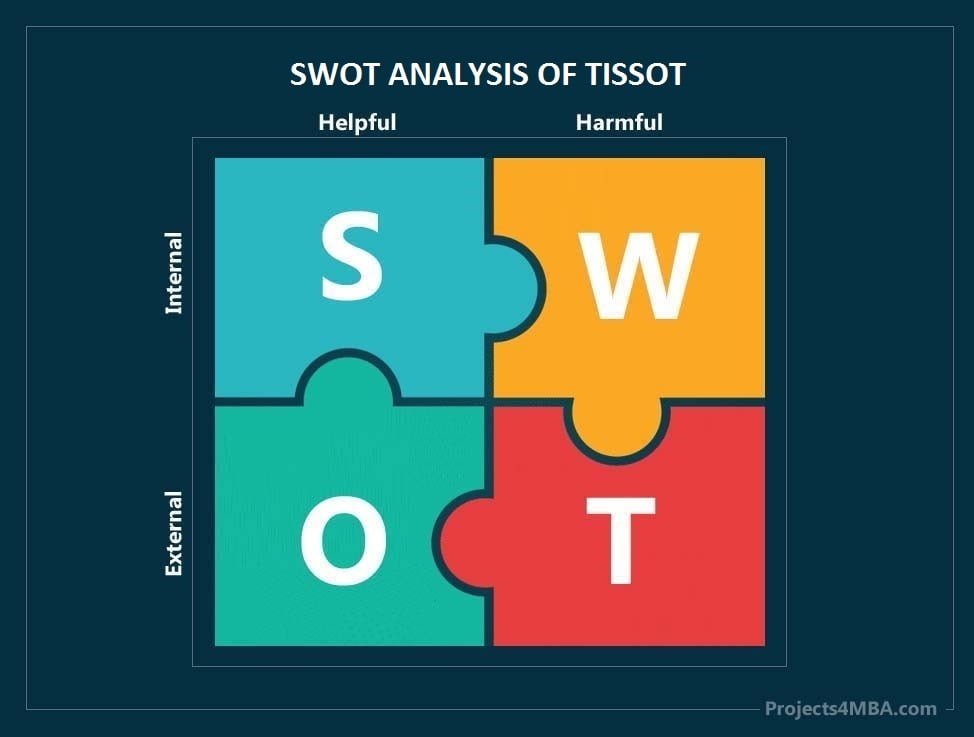
SWOT Analysis of Tissot – Tissot SWOT Analysis [Explained]

SWOT Analysis of Tissot focuses on Strengths, weaknesses, opportunities, and threats. Strength and Weakness are internal factors and Opportunities and Threats are the external factors that influence the SWOT Analysis of Tissot. Tissot is a well-known watchmaking firm situated in Switzerland that was founded in 1853. It is a subsidiary of the Swiss Swatch Group, which is the world’s largest watch producer and distributor. The plus symbol in TISSOT’s emblem signifies the Swiss quality and reliability that has been present in the company’s store since its inception.

Tissot watches are offered in around 160 countries, and its designs are realistic, accessible, and made from distinctive materials. Its designs also incorporate advanced functionality and careful design, and it is sold in around 160 countries. The company stands by its trademark and is regarded as being an industry pioneer. The brand’s exceptional level of quality has been continuously recognized.

They are also involved in a variety of other sports, including cycling (UCI World & Tour de France), basketball (CBA, NBA, and FIBA), racing (MotoGP), and many more. They are known as official timekeepers. The company combines cutting-edge design with cutting-edge watchmaking technology, and it has fundamentally changed people’s perceptions of watches today.

swot analysis of tissot

Strengths in the SWOT Analysis of Tissot – Tissot SWOT Analysis

  • History & Technology: Tissot developed the first pocket watch with two time zones in 1853, and the same business introduced the first anti-magnetic watch the following year in 1854. The company was also the first to produce watches made of materials like plastic, stone, pearl, and wood, among others. In addition, in 1999, it released its first tactile watch featuring T-Touch technology. In this technology, touch-sensitive sapphire crystals are utilized to operate a number of functions such as the barometer, compass, thermometer, and altimeter, among others. The Tissot T-Touch series models, such as the T-Touch Expert Solar and T-Touch Lady Solar, include 25 functions.
  • Broad Collection: The Tissot collection contains a broad range of watches for both men and women. Many people admire the brand’s timepieces because of their conventional design and practicality. Tissot’s watch quality is exceptional in order to attract larger customers.
  • Fashion Statement: In addition to being viewed as a badge of refinement when worn, the label is also regarded as the ultimate fashion statement for those who chose to wear it.
  • Collaborations: Tissot has established collaborations with a diverse spectrum of celebrities, including actresses, basketball players, cricketers, and MotoGP racers, to serve as brand ambassadors. As a result, the brand has received worldwide awareness and achieved remarkable success.
  • Customer Support: The company is always available to its clients. If a customer has any problems with their watch, they can easily find a service center to get it repaired. Tissot is a subsidiary of the Swatch Group, with a global presence in about 160 countries.
  • New Technology: Augmented reality, the most modern technology, has proven to be a big success and is immensely popular across the world. Tissot is using modern technology for its production.
  • Official Timekeeping: Over the years, the Tissot brand has acted as the official timekeeper for a number of athletic events.
  • Target Segments: Tissot’s comprehensive market segmentation, which includes divisions like as youth, women, children, athletes, heavy spenders, and the budget-conscious, covers all of these groups.
  • Achievements: Tissot has worked with Europe’s highest railway station, which is located 3454 meters above sea level.

Weaknesses in the SWOT Analysis of Tissot – Tissot SWOT Analysis

  • Basic & Simple Design: The brand’s design is overly simplistic, and it is usually easily replicated.
  • Environment Rating: Tissot has been recognized by the World Wide Fund for Nature (WWF) for taking a number of efforts to reduce the impact of its manufacturing activities on climate change and the environment.
  • Limited Market Share: The tremendously competitive market has resulted in a limited gain in market share for the Tissot company, which has limited market share growth.

Opportunities in the SWOT Analysis of Tissot – Tissot SWOT Analysis

  • Expanding into New Categories: In order to better serve its clients, Tissot has extended into new categories that are best suited to Tissot watches. It has a wide range of corporate gift categories.
  • Emerging Economies: People’s excessive spending habits in developing economies may be easily exploited. This provides the organization with a new way to raise income and enhance its financial condition.
  • Increased Advertising: Spending more money on advertising will help the company’s brand awareness. New marketing channels like social media marketing & YouTube marketing is also a great opportunity for the company to increase its sales.
  • Large Market: It is estimated that over 34 million watches are sold worldwide each year, offering a tremendous opportunity for the Tissot brand to be manufactured and marketed.

Threats in the SWOT Analysis of Tissot – Tissot SWOT Analysis

  • Intense Competition: Tissot has severe competition in the watch industry, which poses a significant challenge to the corporation. The competitors provide a wide selection of products in a number of areas and styles.
  • Fake Goods: Fake imitations and various sorts of duplication of Tissot branded watches are making an impression on the market. As a result, its reputation suffers.
  • Government Regulations: The corporation is influenced by a range of government legislation that are often passed, notably those relating to imported and luxury items. This poses a significant danger to the company.
  • Increasing Trend of Mobile Phones & Other Digital Devices: Mobile phones and other digital devices are replacing timepieces – Mobile phones and other digital devices are replacing timepieces. In actuality, this represents a huge threat to the company’s operations.

If you like this article you can recommend your friends about PROJECTS4MBA.COM

If you like This Article Please Like our Facebook Page PROJECTS4MBA

Cite This Work

Referencing Style to cite this article:
[citationic]

SWOT Analysis of Tissot – Tissot SWOT Analysis [Explained] Read More »

SWOT Analysis of Omega – Omega SWOT Analysis [Explained]

SWOT Analysis of Omega focuses on Strengths, weaknesses, opportunities, and threats. Strength and Weakness are the internal factors and Opportunities and Threats are the external factors that influence the SWOT Analysis of Omega.
Strengths are defined as the best thing every company does in its range of activities that can give it hold on its competitors. Weaknesses are used in areas in which improvement of the business or brand is necessary. Opportunities are the environmental avenues around the enterprise that can be used to increase its income. Threats are environmental factors that can adversely affect business growth.

Omega is a luxury watch brand. The Swatch Group, one of the world’s most well-known watchmakers, owns Omega timepieces. Omega has a history that dates back more than 160 years. In 1848, Louis Brandt founded the Omega watch manufacturer in Switzerland, and the company has been in operation ever since. Some of the watch collection of Omega are Constellation, Seamaster, Speedmaster, De Ville., Globemaster, Diver 300M, Aqua terra, Planet Ocean, Moonwatch, Dark side of the Moon, Ladymatic, Hour Vision, Trésor, Prestige, & Tourbillon.

swot analysis of omega

Strengths in the SWOT Analysis of Omega – Omega SWOT Analysis

Strengths aids in finding the important areas of the business where the firm surpasses competitors and has a competitive advantage in the market. Strengths are frequently the foundational competencies of a corporation.

  • High Quality: Omega watches have a reputation for creating high-quality, long-lasting watches since the company’s inception.
  • Brand Recognition: Omega Watches has a very brand recognition association. Omega watches serve as the official timekeeper for international sporting events such as tennis and golf events, ensuring that the company’s image is positively enhanced to that of a world-class brand.
  • Technological developments: Omega watches incorporate the most recent technology available, known as co-axial technology. Omega has earned the award for world-class watches because the technology used has won the award for being the best in the world for watches, and as a consequence, Omega has won the award for world-class watches.
  • Brand Ambassadors: Omega watches have been linked with key world-class personalities, establishing the brand’s reputation even further.
  • Well Established Brand: Omega watches are a member of the Swatch group, which is another well-known and well-established brand in the watch market.

Threats in the SWOT Analysis of Omega – Omega SWOT Analysis

  • Lack of Skilled Labor and Resources: This is the area of the organization that is having problems because it lacks the essential resources or skills. Businesses must develop in these areas in order to stay ahead of the competition. Although there will be defects, they should not be so serious that the firm is compelled to withdraw from the market.
  • Weak Market Differentiation: Although Omega watches is a well-known brand worldwide, the position of the Omega watches on perceptual maps is not evident.
  • High Level of Competition: When compared to its competitors, Omega watches have a very limited market share.
  • High Manufacturing Cost: Due to the incredibly high cost of manufacturing the watch, the brand will have a difficult time competing on pricing with other brands in the market in the near future. The manufacturing is done in Switzerland, where labour prices are rather high in comparison to other parts of the world, and as a result, the expense of labour is passed on to the final consumer.

Opportunities in the SWOT Analysis of Omega – Omega SWOT Analysis

Opportunities helps to determine what else a corporation can do with its current skills and resources. It aids the firm in selecting areas where it may develop and lead in order to diversify the business and expand the client base.

  • New Markets: Omega watches may want to expand into new markets where the brand has a significant number of potential customers. The brand might take advantage of the lack of Omega watches to join the market and capitalize on the existing desire for brand lovers.
  • Relocate Production Units: Omega watches can relocate their production operations to less costly nations, cutting the final price of the timepieces. This will also help to change the brand’s target segment. As a consequence, a single strategic move will provide the brand with several opportunities.
  • New product Line: Omega watches may introduce a new line of timepieces in order to increase its client base by targeting a new market segment.
  • Selling Platforms: Omega watches may take use of new and innovative selling platforms, such as internet shopping sites.

Weaknesses in the SWOT Analysis of Omega – Omega SWOT Analysis

Weaknesses helps to determine which topics may have an immediate or future impact on the company. As a result, firms must plan for market risks. Competition, or a rise in the number of market rivals with the same value offer, is a risk to the organization since it instantly affects the client base and income.

  • Intense Competition: Because of the market’s significant competition from smartwatches and other new entrants.
  • Weakening Global Economies: The brand is positioned as a luxury category watch, but the economy is deteriorating, affecting client disposable income and, as a result, lowering total sales for the firm.
  • Counterfeit Products: Because of their low cost, counterfeit watches taint the brand image of Omega watches, damaging the brand image of Omega watches.

If you like this article you can recommend your friends about PROJECTS4MBA.COM

If you like This Article Please Like our Facebook Page PROJECTS4MBA

Cite This Work

Referencing Style to cite this article:
[citationic]

SWOT Analysis of Omega – Omega SWOT Analysis [Explained] Read More »

SWOT Analysis of Flipkart – Flipkart SWOT Analysis [Detailed]

SWOT Analysis of Flipkart focuses on Strengths, weaknesses, opportunities, and threats. Strength and Weaknesses are internal factors and Opportunities and Threats are the external factors that influence the SWOT Analysis of Flipkart.

On any list of the best Indian online businesses, Flipkart would undoubtedly be at the top of the list. Flipkart is one of the few Indian companies with a market capitalization greater than 2 billion dollars, and the company is currently valued at more than 11 billion dollars. The company was founded in 2007 by the Bansal brothers, Sachin and Binny, who took it to dizzying heights during their tenure. Walmart, a U.S.-based retailing giant, acquired a 77 percent controlling stake in Flipkart for US$16 billion, valuing the company at approximately $20 billion at the time of acquisition. SWOT analysis of Flipkart is presented in this article.

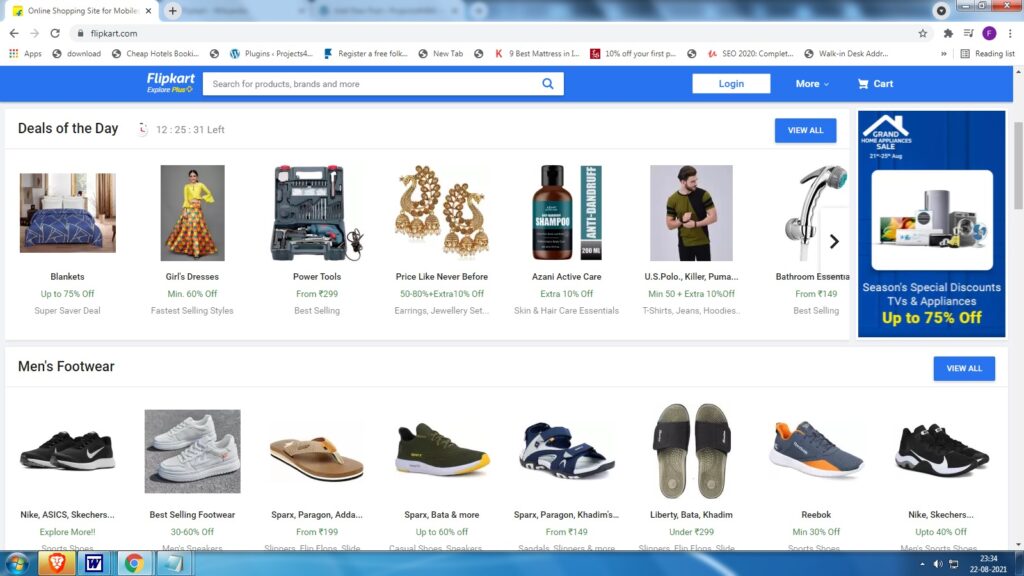
swot analysis of flipkart-1

Strength in the SWOT Analysis of Flipkart – Flipkart SWOT Analysis

  • Large Company: Flipkart is India’s largest e-commerce company, with a GMV (gross merchandise value) of $1 billion.
  • Market Share: Flipkart has a market share of 39.5%.
  • Financials: Flipkart has annual revenue of 6.1 billion US Dollars.
  • Financial Support from Wal-Mart: Flipkart has 77% stake in Wal-Mart a global retail giant. Whose Prior experience in the E-commerce industry aided the founders in strategizing and differentiating their business in a highly competitive market.
  • Acquisitions: The Company’s series of acquisitions, including chakpak.com, weread.com, Letsbuy.co, Mine360, and Myntra, has assisted the company in its expansion into the E-commerce space by leveraging the capabilities and existing resources of acquired companies.
  • High brand recall: Flipkart has established itself as a renowned E-commerce company in India through television advertisements, online branding, and its presence on social media platforms. Brand activities such as the “Big billion day” have significantly increased the company’s brand recall.
  • Own Payment Gateway & Logistics Arm: Having its own Logistics arm is advantageous. The company has been able to control its expenses through E-kart and the payment gateway Payzippy. As a result, the benefits are passed on to the end users.
  • Exclusive and broad product range: Having exclusive rights to launch some products, such as Motorola Mobiles, Xiaomi Mobiles, Oppo, Vivo, and personal designers segments in the garments category, has helped the company differentiate and localise its offerings.
  • Brand Portfolio: Flipkart has built a strong portfolio of brands. The SWOT analysis of Flipkart clearly confirms this element. This organization’s brand portfolio can be extremely useful for them if they want to enter new product lines.
  • Launch New Products: Highly regarded when it comes to launching the new products.
  • Good ROI: Flipkart is relatively successful at the execution of new projects and it generates good profits through its existing business. Company is generating good Return on its investments.
  • Good Promotional Income: Flipkart charge extra for promoting products of its seller. This model always is beneficial for the company.
  • Large Employee Base: Flipkart has an employee base of 30,000+ employees.
  • Good Training and Development Programmes for its Employees: High level personal skills can be acquired through training and development programmes. Flipkart is providing continuous training and development of its employees resulting in an enthusiastic and motivated team.
swot analysis of flipkart

Weaknesses in the SWOT Analysis of Flipkart – Flipkart SWOT Analysis

  • Limited Distribution: Flipkart has a limited distribution channel reach, despite the fact that its logistics arm has kept costs low. This is a weakness for the company, as it has limited reach. Because of the use of outsourcing, global giants such as Amazon and eBay are able to deliver their products to any location in the country. Flipkart, on the other hand, is still struggling in this area.
  • Cost of Acquisition: Because Flipkart acquires a large number of customers through online advertising, the cost of acquisition is high due to stiff competition in the market and low customer retention. According to Flipkart data, the company spends R.s 400/- on average to acquire a new customer.
  • Buyers hold the power: Because this industry is flooded with a large number of players, buyers have a large number of options from which to choose. Customers save money on switching costs because they can easily switch from one online retail company to another. The same products will be displayed across multiple online retail websites. Product differentiation is almost non-existent, so the battle is fought solely on the basis of price.

Opportunities in the SWOT Analysis of Flipkart – Flipkart SWOT Analysis

  • Business expansion: By focusing on other emerging markets, a company can increase its revenues while also benefiting from economies of scale.
  • Expanding product categories: This will increase their customer base while decreasing the cost of acquisition and customer switch.
  • The changing mentality of Indian customers: As an increasing number of customers become more comfortable with online shopping, as well as an increase in the number of Internet users in India, there is tremendous opportunity in this industry.
  • Supply chain: By optimising their supply chain, they can compete with the other players and manage the sales that are lost as a result of not being able to make the product available due to delivery constraints.
  • Establishing operations in other developing economies: Similar to Amazon, Flipkart can gradually begin to expand its operations outside of India and establish operations in other countries as well, which will aid in the growth of its revenues.
  • Consumer Behaviour: The new trends in consumer behaviour will open up new opportunities for Flipkart. This has given a great opportunity for the organisation to expand revenue streams and to diversify into new product categories.

Threats in the SWOT Analysis of Flipkart – Flipkart SWOT Analysis

  • Intense Competition: There is fierce competition from global players such as Amazon and eBay, as well as local players such as Snapdeal, Tolexo, and Shopclues, who are constantly attempting to take market share away from one another.
  • Government Regulations: The government’s regulations on issues such as foreign direct investment (FDI) in multi-brand retail have posed a significant barrier to the growth of the E-commerce industry in India.

If you like this article you can recommend your friends about PROJECTS4MBA.COM

If you like This Article Please Like our Facebook Page PROJECTS4MBA

Cite This Work

Referencing Style to cite this article:
[citationic]

SWOT Analysis of Flipkart – Flipkart SWOT Analysis [Detailed] Read More »

SWOT Analysis of Big Basket -Big Basket SWOT Analysis [Explained]

SWOT Analysis of Big Basket focuses on Strengths, weaknesses, opportunities, and threats. Strength and Weakness are internal factors and Opportunities and Threats are the external factors that influence the SWOT Analysis of Big Basket.

Big Basket is the country’s largest online food and grocery retailer. They provide products from a diverse range of categories, including vegetables and fruits, dairy products, beverages, rice, dal, spices, packaged meals, meat, and personal care products. They also provide products from a diverse range of categories, including vegetables and fruits.

With an investment of approximately Rs. 9,500 crore (US$1.3 billion), the Tata Group acquired a 64.3 percent stake in BigBasket in February 2021.

swot analysis of big basket

Strengths in the SWOT Analysis of Big Basket – Big Basket SWOT Analysis

  • Product Selection: Big Basket has a large selection of products that includes over 18000 different items.
  • Strong Financial Support: Being acquired by Tata Group. Big Basket has a strong financial support from Tata Group.
  • ExoticRange: Exotic fruits, vegetables and imported foodstuffs are also accessible at the local retail locations. For clients that enjoy buying this merchandise, this gives them an advantage.
  • Discounts: Big Basket frequently runs promotions on a variety of products. By combining product bundles, they’re able to increase sales while keeping the discounts they give to clients as generous as possible. As a result, they are an excellent value proposition for clients to consider.
  • Convenience: Big Basket allows you to avoid the inconvenience of standing in long lines at shopping malls or driving all the way to retail stores by delivering to you. They deliver the merchandise directly to the customer’s door and accept a variety of payment methods. Customer convenience is enhanced by the guarantee of on-time delivery. Customers, particularly in big cities where life moves at a breakneck pace and it is difficult to reach them, can shop at any time of day.
  • Small Target Group: They have targeted a very small segment of the population with great care, and they have built a foothold in the most populous and tier-I cities. Including but not limited to the locations above, their business operates in the following cities: Bangalore, Hyderabad, Mumbai, Pune, Chennai, Delhi, Mysore, Vadodara, Patna, Indore, Vijaywada, etc. Operational in around 25 cities.
  • Low Fixed Cost Model: Big Basket follows a low fixed cost business model because the majority of the things are perishable, hence they depend on other retail locations for the products. It also means that they have no inventory cost, which gives them a bigger profit margin.

Weaknesses in the SWOT Analysis of Big Basket – Big Basket SWOT Analysis

  • Delivery Time: The items are delivered the next day by Big Basket. Several retailers have implemented fast home delivery within a few minutes to hours. This choice is preferred by clients instead of having to wait for 24 hours.
  • Fluctuating Cost: Variable cost since it fluctuates depending on the number of delivery personnel, delivery trucks, and perishable food storage. To break even, they will have to bleed more money and take longer.
  • Minimum Order Value for Delivery: Big Basket is obligated to offer home delivery only if an order amount or price is met. If an order quantity or price is not met, Big Basket will not deliver. In this scenario, clients would be obliged to purchase at least two additional products in order to utilize the service. Losing a customer does this.
  • Customers have to Stay at Home at the time of delivery: Big Basket customers must be at home before the service arrives. In other words, customers must plan their schedules around the delivery time. The longer the order is delayed, the more upset and disappointed customers become. Additionally, consumers must pay a little extra on top of the retail price for the home delivery.
  • Cancellations: They need stores they have tied up with to offer them things for order cancellations. They will not be able to deliver anything if they do not have the necessary products on hand. This tends to cancel orders occasionally. Out of supply issues make customers upset, which contributes to repeat use issues.

Opportunities in the SWOT Analysis of Big Basket – Big Basket SWOT Analysis

  • Good Indian Market: Indian retail market is about $550 million, which is equal to almost 60% of all retail in the country. As a result, it is a massive market with a large number of companies to accommodate and customers to satisfy.
  • Growth of Grocery Market: The Indian grocery market is the sixth-largest in the world. According to a report from the American Express OPEN Forum, the e-commerce grocery market is rising with a year-on-year growth rate of 19%.
  • Expansion in New Markets: In order to expand, Big Basket will need to identify cities that are currently unserviced by these businesses and target them in order to obtain the first-mover advantage. They are capable of going to Tier 2 cities and boosting their market share.
  • Product Kitting and Bundling: Product bundling (bundling) is a significant advantage for big basket as it enables selling many products.

Threats in the SWOT Analysis of Big Basket – Big Basket SWOT Analysis

  • Intense Competition: Since it only has a tiny footprint in terms of cities covered, it faces intense competition from other businesses like JioMart, Grofers, Nature’s Basket, OnDoor, and Mera Grocer, among others.
  • Big Competitors with Strong Finance Support: More than financial support and market presence, we are also seeing increased competition from larger organisations. Amazon, Flipkart, and Google are among the companies that have entered this business. Smaller players, such as Big Basket, may find it impossible to compete with them as a result.
  • Local Competition: Other localised businesses have taken notice of this trend and have begun offering home delivery services to people in their immediate vicinity, effectively eliminating entire groups of target customers across multiple regions and cities.
  • Customer Retention: Retaining customers is extremely challenging. If they have a choice, they would most likely choose the service provider that gives the largest discounts.
  • Demand: Changing demand patterns from online purchases would threaten current supply chain models.
  • Shortage of Skilled Workforce: Shortage of skilled workforce in certain global market represents a threat to steady growth of profits for Big Basket in those markets.
  • Taxation Policies: The new taxation policy can significantly impact the way of doing business and can open new opportunity for established players such as Big Basket to increase its profitability.
  • Increasing Petrol Prices: Delivery charges and product price directly depends on the fuel prices. Increasing fuel prices is a major threat to the company.

If you like this article you can recommend your friends about PROJECTS4MBA.COM

If you like This Article Please Like our Facebook Page PROJECTS4MBA

Cite This Work

Referencing Style to cite this article:
[citationic]

SWOT Analysis of Big Basket -Big Basket SWOT Analysis [Explained] Read More »

SWOT Analysis of Lux – Lux SWOT Analysis [Detailed]

SWOT Analysis of Lux focuses on Strengths, weaknesses, opportunities, and threats. Strength and Weakness are internal factors and Opportunities and Threats are the external factors that influence the SWOT Analysis of Lux.

Lux is a 100-year-old soap brand that comes from the arsenal of Unilever, one of the world’s largest FMCG companies. Lux is a multibillion-dollar brand that has risen to the top of many markets because of its distribution, promotion, and pricing policies.

swot analysis of lux

Strength in the SWOT Analysis of Lux – Lux SWOT Analysis:

  • Strong Global Brand: Lux is a global brand of Unilever. Lux was primarily promoted and marketed in India, Brazil, South Africa and Thailand.Lux is a 100-year-old brand that has survived for so long due to the trust and credibility it has earned from its customers. Unilever’s Lux brand is one of its most powerful.
  • Large Market Share: Lux has captured a large market share in many countries and is a market leader in the personal care soap segment in countries such as India, Pakistan, Brazil, Thailand, and South Africa. Lux has negotiating power due to its strong market position.
  • Global Presence: Lux has a strong global presence, with a presence in over 100 countries and every diversified market on the planet. It has established key markets in emerging markets such as India, China, Brazil, and South Africa, among others, where consumer spending is increasing.
  • Good Distribution: Lux is driven by Unilever’s global distribution system, which ensures that Lux is present in all parts of the markets in which it operates; Lux has focused specifically on increasing its presence in rural markets.
  • Variants: Lux is available in a variety of variants around the world, and it has recognised that preferences will change as geographies change, so it has also developed some localised variants for local markets.
  • Brand Extension: Brand Lux was extended by Unilever to shower gels, bath additives, shampoos & conditioners.
  • Strong Support of Unilever : Lux is under then umbrella of Unilever. Unilever is a huge supporter of Lux. Unilever provides a strong backing for finance for Lux.
  • Brand Ambassadors: There are many Filmstars and Celebrities who are endorsing Lux.

Weaknesses in the SWOT Analysis of Lux – Lux SWOT Analysis:

  • Unisex Appeal: Lux is positioned as beauty soap and is thought to be a soap only for women, so it lacks a unisex appeal to entice men to use it.
  • Less Penetration in Rural Market: Although Lux is attempting to expand into rural markets, it does not appeal to the rural market, owing to the way Lux’s communication is designed.
  • Controversies: Some of Lux’s advertisements have received criticism from viewers, particularly the one featuring Shahrukh Khan in a bath tub. Such controversies have an impact on Lux’s brand image.

Opportunities in the SWOT Analysis of Lux – Lux SWOT Analysis

  • Growth of Personal Care Industry: The personal care industry is expected to grow in emerging markets such as India and South Africa. Lux is poised to benefit from rising consumer spending on personal care products, owing to its extensive global distribution.
  • Demand of BodyWash: The liquid body wash market is expected to grow globally, so Lux should focus on developing new body wash variants and expanding product penetration.
  • New Trends:The new trends in consumer behaviour will open up new markets for Lux. This has given a great opportunity for the organisation to expand revenue streams and to diversify into new product categories.
  • Offers and Schemes: In order to maintain its market leadership, Lux should introduce more sales and trade promotional schemes into the market.
  • Expand into rural markets: Lux has the potential to capture rural markets in India, Pakistan, and African countries. In order to capture the rural market, Lux must expand its product penetration into rural markets and develop a communication strategy.

Threats in the SWOT Analysis of Lux – Lux SWOT Analysis

  • In House Competition: As a Unilever product, Lux competes with in-house products such as Pears and Dove. Despite the fact that the products are all positioned differently, they are all cannibalising each other’s market.
  • Intense competition: In the personal care industry, there is already a lot of competition from both local and multinational brands. In recent years, competition has increased rapidly, reducing Lux’s market share. For example, Sri Sri, Himalaya & Patanjali’s entry into India has had a significant impact on the personal care market.
  • Consumer Preferences: Consumer preferences around the world are changing, and brands are expected to adapt to these changes. Lux is overly focused on being a beauty soap, so shifting preferences may have an impact on Lux’s market.
  • Lack of Skilled Staff: Lack of skilled staff is a threat to steady growth of profits of Lux in certain global markets.

If you like this article you can recommend your friends about PROJECTS4MBA.COM

If you like This Article Please Like our Facebook Page PROJECTS4MBA

Cite This Work

Referencing Style to cite this article:
[citationic]

SWOT Analysis of Lux – Lux SWOT Analysis [Detailed] Read More »

SWOT Analysis of Cipla Limited – SWOT Analysis of Cipla [Detailed]

SWOT Analysis of Cipla Limited focuses on Strengths, weaknesses, opportunities, and threats. Strength and Weakness are internal factors and Opportunities and Threats are the external factors that influence the SWOT Analysis of Cipla Limited. Cipla Limited has a strong employee base of 22036 employees. The total Assets of Cipla Limited are 3.3 Billion US Dollars. The revenue of Cipla Limited is 2.5 Billion US Dollars.

Cipla Limited is a pharmaceutical company that develops and sells prescription medications, active pharmaceutical ingredients (API), and veterinary medicines. The company’s headquarters are in Mumbai, India, and it has extensive R&D and production facilities there.

swot analysis of cipla limited

Strength in the SWOT Analysis of Cipla Limited – SWOT Analysis of Cipla Limited

  • Product Portfolio: Cipla offers a diverse product portfolio that includes APIs and formulations for human and animal healthcare goods. Cipla offers over 2000 items in over 65 categories and is always trying to expand its product line.
  • Low-Cost Drugs for Cancer Patients: Cipla offers and supports cancer patients by offering low-cost drugs, and it also developed a “No Touch Breast Scan” which is a stride ahead in screening technology in India.
  • Robust Research and Development: Cipla has prioritized the development of new drugs, as well as the improvement of medication delivery technologies and the expansion of product uses. Cipla has established a robust Research & Development infrastructure for this purpose. Cipla’s strong R&D facilities are strongly backed by several industrial enterprises.
  • High Recognized: Cipla’s products are highly recognized by regulatory agencies in India, the United States, Germany, and the United Kingdom, among others, lending legitimacy to the company’s products.
  • Strong Brand Portfolio: Over the years, Cipla has made significant investments in developing a strong brand portfolio. This is reinforced by Cipla SWOT analysis. If the company wishes to grow into other product categories, this brand portfolio may be quite beneficial.
  • Good Training Programmes: Successful training programmes have resulted in a highly competent workforce. Cipla has invested heavily in employee training and development, resulting in a team that is not just highly competent but also driven to achieve more.

Weaknesses in the SWOT Analysis of Cipla Limited – SWOT Analysis of Cipla Limited

  • Rivalry: High rivalry from both domestic and global pharmaceutical businesses restricts Cipla’s market share and prevents rapid expansion.
  • Dependent on Indian Market: Cipla’s primary revenue-generating market in India. Although Cipla has a presence in over 100 other countries, it has little clout in other developed markets and is thus heavily reliant on the Indian market.

Opportunities in the SWOT Analysis of Cipla Limited – SWOT Analysis of Cipla Limited

  • Expansion: Cipla is continuously expanding its business in India and internationally through efforts such as investments, collaborations, and acquisitions. Cipla, for example, invested in a biotech manufacturing facility in South Africa. Cipla has also acquired InvaGen Pharmaceuticals in the United States, among other things.
  • Treatment: Cipla, via C-GA, provides a comprehensive variety of ARV medications for the treatment of HIV/AIDS in both children and adults. Cipla’s medicines have the potential to treat an increasing number of people.
  • Develop in Emerging Countries: Cipla could look forward to expanding in emerging markets, particularly in countries where medical infrastructure is developing and, as a result, pharmaceutical is likely to grow.

Threats in the SWOT Analysis of Cipla Limited – SWOT Analysis of Cipla Limited

  • Regulation: Governments have influence over drug prices through national health organizations. A new pricing strategy under Drug price regulation has been suggested in India, which might have a severe influence on the sector. Pricing policy changes have an impact on pharmaceutical firms.
  • Intense Competition: Major companies like Sun Pharma, Cadila, Lupin, and others are fiercely competing in the Indian generics sector. This has an impact on Cipla’s growth potential as well as its market share.
  • Exchange rate fluctuations: Any variations in exchange rates influence the company’s financial agreements with other nations, which might have an impact on profitability.
  • Competition from Generic Medicines: Generic Medicines are giving tough competition to Cipla Limited.
  • Change in Technology: Technological Changes can reduce the production cost. If another company uses the latest technology it can give tough competition to Cipla.

If you like this article you can recommend your friends about PROJECTS4MBA.COM

If you like This Article Please Like our Facebook Page PROJECTS4MBA

Cite This Work

Referencing Style to cite this article:
[citationic]

SWOT Analysis of Cipla Limited – SWOT Analysis of Cipla [Detailed] Read More »

SWOT Analysis of IOCL – IOCL SWOT Analysis [Detailed]

SWOT Analysis of IOCL (Indian Oil Corporation Limited) focuses on Strengths, weaknesses, opportunities, and threats. Strength and Weakness are the internal factors and Opportunities and Threats are the external factors that influence the SWOT Analysis of IOCL (Indian Oil Corporation Limited).

Indian Oil Corporation Limited is another name for IOCL. It is a gas and oil corporation that is wholly controlled by the Ministry of Petroleum and Natural Gas, Government of India. It is India’s largest commercial oil corporation, and it was placed first on the Fortune India 500 list. It employs over 33,498 people and has vast distribution, marketing, and refining capabilities.

swot analysis of iocl

The organization has a network of 47,801 touchpoints that are constantly expanding. Indian Oil has played an important part in India’s socio-economic growth, regularly providing energy access to millions of people across the country. IOCL has generated revenue of 68 Billion US Dollars in 2020. The company has reported a Net Profit of 2.9961 billion US Dollars in the year 2020-21.

swot analysis of iocl-1

Strengths in the SWOT Analysis of IOCL – IOCL SWOT Analysis

  • Strong Network: With a large distribution network of 10,000 distributors, IndianOil has a brand of LPG cooking gas called Indane that serves 12 crore households. With the brand Servo, it is a market leader in the lubrication industry. Every day, 1,750 planes are powered by the company’s 107 aviation fuel systems. IOCL is one of India’s top brands. The firm was named one of India’s “Most Trusted Brands” in the “Gasoline” category by Reader’s Digest-AC Nielsen Survey. The firm has lived true to the brand’s goal by pledging to cultivate customer relationships, innovate, harness technology, and care for the environment and the community.
  • Pipeline Network: The corporation owns and operates 13,400 kilometers of cross-country pipelines that transport crude oil, processed petroleum products, and natural gas. The business just completed the installation of 543 kilometers of new pipeline sections. The company owns and administers two SPM terminals in Vadinnar’s high seas, as well as three more SPMSingle-Point Mooring (SPM) terminals in Paradip that are used to moor pipeline systems that transport crude oil from ocean tankers to onshore tank farms. The corporation operates crude oil tank farms with massive capacities, ensuring seamless onward transfer to refineries through pipelines.
  • State of Art Research and Development Facility: IOCL has the most advanced R&D facility. It has conducted pioneering research in the fields of lubricants, pipelines, refineries, alternative fuels, engine testing, and environmental sciences. In India and other countries, the business holds 554 patents. The research and development facility is located on a vast 65-acre complex in Faridabad, India. The center has been successful in developing technological solutions that are cost-effective, socially responsible, and ecologically friendly. IOCL focuses on cutting-edge research in nanotechnology, polymers, coal gasification, and petrochemicals, and polymers and petrochemicals.
  • Focus on Sustainability: The corporation has long believed in sustainability and was an early investor in renewable energy sources, amassing a 200-MW portfolio of solar and wind generating capacity that is quickly expanding. Under the government’s Swachh Bharat Abhiyan, IOCL is investing in and researching many waste-to-energy solutions. IOCL is also the industry leader in transforming the retail network to run on solar energy, with almost one-third of its gasoline stations using solar power. The majority of the company’s efforts are aimed at making its operations more environmentally friendly, with the goal of reducing its water and carbon footprints by 20% and 18%, respectively.
  • Strong Brand Portfolio: Over the years, IOCL has made significant investments in developing a strong brand portfolio. This is reinforced by IOCL’s SWOT analysis. If the company wishes to grow into other product categories, this brand portfolio may be quite beneficial.
  • Effective Go To Market Strategy: Its Go To Market techniques for its products have been extremely effective.
  • Good Training Programmes: Successful training and learning programmes have resulted in a highly competent workforce. IOCL invests heavily in employee training and development, resulting in a team that is not just highly competent but also driven to achieve more.

Weakness in the SWOT Analysis of IOCL – IOCL SWOT Analysis

  • Tough Competition: Reliance Industries, ONGC, Hindustan Petroleum, and Bharat Petroleum are IOCL’s key competitors. Bharat Petroleum, another major rival of IOCL, has invested in different R&D initiatives. It also operates huge refineries in Mumbai and Cochin and is a Fortune 500 company. To keep ahead of the competition and avoid losing market share, IOCL must make strategic decisions and investments.
  • Government Control: IOCL has suffered significant losses as a result of the government’s management of gasoline pricing policy because the center frequently fails to follow its commitments to keep gasoline costs artificially low. The corporation continues to borrow more and spend more in order to assure constant fuel supply to consumers, but growing interest costs slash their profit, limiting their capacity to drive the new project to modernize.
  • Need more investment in new technologies: Given the scale of expansion and different geographies the company is planning to expand into, IOCL needs to put more money in technology to integrate the processes across the board. Right now the investment in technologies is not at par with the vision of the company.

Opportunities in the SWOT Analysis of IOCL – IOCL SWOT Analysis

  • Growing Business and Demand: IOCL’s primary business has been transportation and distribution of petroleum products, as well as refining and other related activities, in response to India’s expanding need for fuel. Over the years, the firm has extended its activities throughout the hydrocarbon value chain, including oil and gas exploration, as well as diversification into natural and alternative energy sources.
  • Market Expansion: IOCL has been steadily extending its business worldwide, with offices in the UAE, Bangladesh, Myanmar,  Mauritius, Singapore, and the United States. The company has also expanded its operations through collaborative partnerships with reputable partners from both outside and India. Ratnagiri Refinery and Petrochemicals Ltd. was formed as a joint venture between BPCL and HPCL. The company is performing incredibly well in the international market and has been able to create several chances for the organization.
  • Increasing natural gas market: Natural gas is developing as a cleaner alternative to fossil fuels, and the government of India is pushing for a gas-based economy and measures to utilize it across industries. IOCL obtains liquefied natural gas (LNG) from overseas suppliers with whom it has a long-term contract. Currently, IOCL distributes LNG to 58 institutional clients in the electricity, fertilizer, steel, and industrial sectors.

Threats in the SWOT Analysis of IOCL – IOCL SWOT Analysis

  • Government Policies and Regulations: The government’s decision to provide citizens with relief from rising gasoline costs resulted in massive losses for the corporation. Companies such as IOCL, BPCL (Bharat Petroleum Corp. Ltd), and HPCL (Hindustan Petroleum Corp. Ltd) were predicted to lose Rs. 9000 crore in net profit. Certain government actions to reduce fuel and diesel prices have a significant impact on the company’s earnings.
  • Economic Conditions: The corporation is dealing with a number of issues relating to rising oil costs, currency fluctuations, and growing worries about air pollution. The company’s goal and primary strategy are to address the difficulties and possibilities given by environmental circumstances, as well as to integrate and diversify activities across its worldwide business. In such uncertain conditions, the company’s effort to reduce costs across the supply chain is a monumental challenge.
  • Liability Laws: Liability laws in different countries are different and XYZ may be exposed to various liability claims given change in policies in those markets.
  • Currency Fluctuations: As the company is operating in numerous countries it is exposed to currency fluctuations especially given the volatile political climate in a number of markets across the world.

If you like this article you can recommend your friends about PROJECTS4MBA.COM

If you like This Article Please Like our Facebook Page PROJECTS4MBA

Cite This Work

Referencing Style to cite this article:
[citationic]

SWOT Analysis of IOCL – IOCL SWOT Analysis [Detailed] Read More »

SWOT Analysis of Dairy Milk – Dairy Milk SWOT Analysis [Detailed]

SWOT Analysis of Dairy Milk focuses on Strengths, weaknesses, opportunities, and threats. Strength and Weakness are the internal factors and Opportunities and Threats are the external factors that influence the SWOT Analysis of Dairy Milk.

Dairy Milk is a chocolate brand owned by Cadbury. Dairy Milk was first introduced in the UK in 1905, the modern lifestyle has included a variety of things. All of the Dairy Milk products are produced using chocolate. Dairy Milk is a 100-year-old chocolate brand that has earned the trust of its customers. Dairy Milk is presently threatened by a shift in customer preferences toward healthier goods and a reduction in consumption of high-sugar-content goods.

swot analysis of dairy milk

Strengths are defined as the best thing every company does in its range of activities that can give it hold on its competitors. Weaknesses are used in areas in which improvement of the business or brand is necessary. Opportunities are the environmental avenues around the enterprise that can be used to increase its income. Threats are environmental factors that can adversely affect business growth.

Strengths in the SWOT Analysis of Dairy Milk – Dairy Milk SWOT Analysis

  • Well Known Brand: Cadbury’s Dairy Milk is one of the most well-known brand names in the world. Because Cadbury and Dairy Milk are 100-year-old brands, consumers have associated chocolate with Cadbury and Dairy Milk in particular.
  • Strong Distribution: Cadbury has correctly recognized the demands of diverse markets and, as a result, has built up large distribution, which has helped it obtain a strong market share in both urban and rural areas of various nations.
  • Strong Backing: Cadbury, as one of the world’s leading chocolate manufacturers, has a substantial presence in many nations. It has strong distribution networks all around the globe and is financially stable.
  • Brand Loyalty: Dairy Milk is a component of the confectionery sector, which is based on impulsive purchases. Customers in this market are prone to switching brands at no cost, making it challenging to sustain consumer loyalty. Dairy Milk, on the other hand, has been able to sustain high brand loyalty.
  • Brand Recall: Dairy Milk is one of Cadbury’s most successful products, and it has a very high brand recall. People associate chocolate with Dairy Milk, particularly in locations where other brands are unfamiliar.
  • Aggressive Advertising: Dairy Milk has long positioned the brand as a family product that is particularly important to its target group of 10 to 25-year-olds. Dairy Milk is advertising its products heavily.
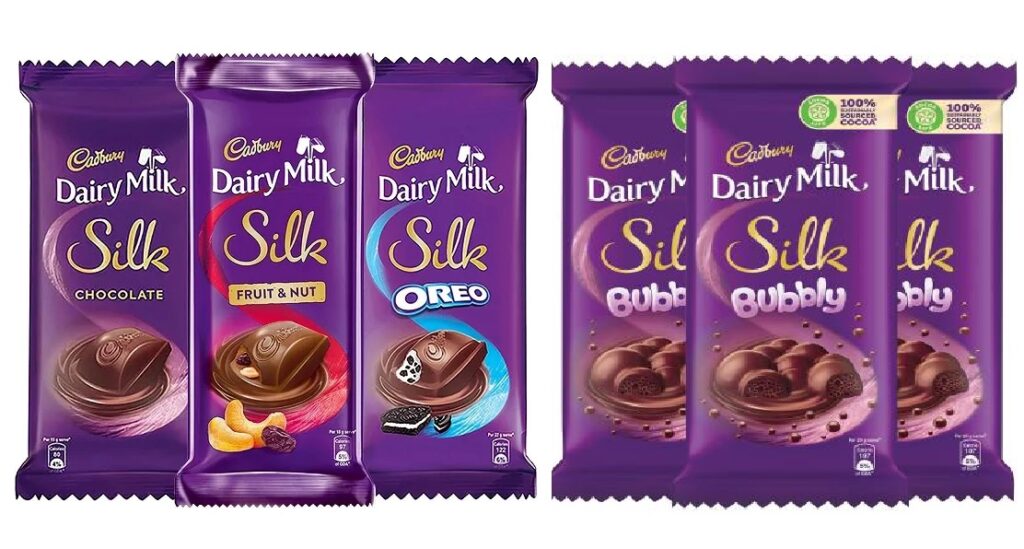
  • Variants: Dairy Milk is available in four distinct flavors: chocolate, fruit and nut, roast almond, and crackle. This draws a diverse group of customers and aids in revenue growth. Dairy Milk has a large number of SKUs, particularly for its chocolate form. It has SKUs in India that start at Rs. 10 and go up to about Rs 200. This demonstrates a large number of alternatives and products for various sorts of customers and marketplaces.
  • Cocoa Percentage: Cadbury Dairy Milk has a lower cocoa percentage than the competition. The cocoa percentage in Cadbury Dairy Milk is around 2.58 percent (w/w), which signifies the intensity of chocolate in the product. Other rivals, such as Amul and Schmitten, had a cocoa content of moreover 3%.

Weaknesses in the SWOT Analysis of Dairy Milk – Dairy Milk SWOT Analysis

  • Sugar content: Cadbury Dairy Milk has a very high sugar level; Cadbury Dairy Milk has more than 50% (w/w) sugar content. The current worldwide trend is toward healthier goods, hence this is a drawback.
  • Issues and Controversies: Cadbury has been involved in a number of issues. Cadbury’s worm incident in India had a significant influence on its brand reputation, and Cadbury needed to put in a lot of marketing effort to overcome it. Such conflicts have a negative impact on brand trust.

Opportunities in the SWOT Analysis of Dairy Milk – Dairy Milk SWOT Analysis

  • Low Sugar Variants: Cadbury Dairy Milk may develop products with low or no sugar content as health awareness grows throughout the globe and customers shift toward healthier goods.
  • Nutritional version: In keeping with the trend of releasing new variations, a market for nutritional chocolate is forming, and Dairy Milk may release a version with a high nutritional value.
  • Aggressive Advertising Strategy: Dairy Milk must follow an aggressive advertising strategy to create good recall among the customers.
  • New Trends: New consumer preferences trends may offer up new markets for Dairy Milk. It is an excellent chance for the company to generate new income streams while also diversifying into new product categories.
  • Taxation Policy: The new taxation policy can significantly impact the way of doing business and can open new opportunities for established players such as Dairy Milk to increase its profitability.
  • Superb Performance in New Markets: Dairy Milk has developed competence in entering and succeeding in new markets. The growth has assisted the organization in developing new revenue streams.

Threats in the SWOT Analysis of Dairy Milk – Dairy Milk SWOT Analysis

  • Intense Competition: Dairy Milk competes with several brands throughout the globe, including Lindt, Amul, Hershey’s, Ferrero, and Schmitten, among others. This kind of competition diminishes market share.
  • Increasing health awareness: As health knowledge grows throughout the globe, people are shifting away from high-fat goods and toward healthier alternatives.

If you like this article you can recommend your friends about PROJECTS4MBA.COM

If you like This Article Please Like our Facebook Page PROJECTS4MBA

Cite This Work

Referencing Style to cite this article:
[citationic]

SWOT Analysis of Dairy Milk – Dairy Milk SWOT Analysis [Detailed] Read More »

SWOT Analysis of Glow and Lovely [Explained]

SWOT Analysis of Glow and Lovely focus on Strengths, weaknesses, opportunities, and threats. Strength and Weakness are the internal factors and Opportunities and Threats are the external factors that influence the SWOT Analysis of Glow and Lovely.

Glow and Lovely previously known as Fair & Lovely is Hindustan Unilever’s fairness cream which was initially launched in the Indian market. For Unilever in India, Glow and Lovely is one of the most powerful brands in terms of women’s trust. The brand has been on the market in more than 45 countries for over 45 years. Also, the brand has been criticized continuously for its “racist” ads.

Strengths are defined as the best thing every company does in its range of activities that can give it hold on its competitors. Weaknesses are used in areas in which improvement of the business or brand is necessary. Opportunities are the environmental avenues around the enterprise that can be used to increase its income. Threats are environmental factors that can adversely affect business growth.

swot analysis of glow and lovely

Strength in the SWOT Analysis of Glow and Lovely

  • Strong Brand: Glow & Lovely is one of the most powerful skincare brands in the world, with extremely strong brand equity. This is the world’s first and largest fairness cream brand, valued at more than 6 billion dollars.
  • International Footprint: As a Unilever brand, Glow & Lovely has a significant global footprint, with a presence in over 45 countries. Glow & Lovely has established an own market and penetrated the smaller parts of many countries since they were on the market in the past 45 years.
  • Promotional Campaigns: Over the years, Glow & Lovely advertising campaigns have often included how a woman’s self-confidence increases with increasing fairness and better-looking skin. This contributed to the awareness of Glow & Lovely about the brand.
  • Unilever Product: Glow & Lovely is a product of one of Unilever, the world’s leading consumer products company. This provides Glow & Lovely distribution advantages and financial support which give Glow & Lovely the competitive advantage.
  • Women’s empowerment: Glow & Lovely has set up the Glow & Lovely Foundation. Glow & Lovely Foundation empowers and supports women in disadvantaged girls. This improves the image of the brand.
  • Strong Distribution Network: Over the years Glow and Lovely have built a reliable distribution network that can reach the majority of its potential market.
  • Superb Performance in New Markets: Glow and Lovely have built expertise at entering new markets and making a success of them. The expansion has helped the organization to build a new revenue stream and diversify the economic cycle risk in the markets it operates in.
  • Distribution Network: It has built a culture among distributors & dealers where the dealers not only promote the company’s products but also invest in training the sales team to explain to the customer how he/she can extract the maximum benefits out of the products.
  • Superb Performance in New Markets: Glow and Lovely have built expertise at entering new markets and become successful. The expansion has helped the organization to build a new revenue stream and diversify the economic cycle risk in the markets it operates

Weaknesses in the SWOT Analysis of Glow and Lovely

  • Criticism: Various criticisms and groups of women accuse Glow & Lovely of categorizing women based on their colour of the skin and demeaning women with a dark colour have strongly opposed Glow & Lovely. Such advertisements have affected the reputation of Glow & Lovely as a brand.
  • Microbial Contamination: Glow & Lovely was found to be substandard for microbial contamination in April 2017, according to the Indian Food and Drug Administration (FDA) tests. The quality of Glow & Lovely raises problems for Unilever. These problems affect the brand image and brand popularity.

Opportunities in the SWOT Analysis of Glow and Lovely

  • New Trends and Consumer Behaviour: New trends in consumer behavior can open up new markets for Glow and Lovely. It provides a great opportunity for the organization to build new revenue streams and diversify into new product categories too.
  • Increased awareness of human skincare: Women worldwide are aware of skincare, which gives Glow & Lovely the chance to launch a cream product for men (Glow & Lovely-Menz Active).
  • Consumer Behaviour: New trends in consumer behavior can open up new markets for Glow and Lovely. It provides a great opportunity for the organization to build new revenue streams and diversify into new product categories.

Threats in the SWOT Analysis of Glow and Lovely

  • Intense Competition: Competition in the area of skin fairness is growing with the introduction and impact on market shares by brands such as Fairever, No Marks and Fair & Handsome.
  • Herbal Products: It is being reported that the use of herbal products is rising in India and other countries around the world as well. The entire industry is facing a great threat.
  • Protest: Protests have targeted the brand, calling Glow & Lovely “racist. Glow & Lovely has been hit by considerable criticism over its advertising, but still thrives because of constant opposition.

If you like this article you can recommend your friends about PROJECTS4MBA.COM

If you like This Article Please Like our Facebook Page PROJECTS4MBA

Cite This Work

Referencing Style to cite this article:
[citationic]

SWOT Analysis of Glow and Lovely [Explained] Read More »