SWOT Analysis of Bharat Biotech [Explained in Detail]

SWOT Analysis of Bharat Biotech focuses on strengths, limitations, opportunities, and Threats. Bharat Biotech is one of the largest medicine and vaccine producing companies. The strengths and weaknesses of Bharat Biotech Swot are internal factors, while opportunities and risks are external factors.

SWOT Analysis is a validated management tool that enables a company like Bharat Biotechto to measure its business & performance with competitors and the industry.

Bharat Biotech is producing vaccines and bio-therapeutics that are trusted by doctors worldwide. Bharat Biotech has 160 global patents. Bharat Biotech helps people live to their fullest capacity in over 65 nations. Bharat Biotech is certified by KFDA, USFDA, and WHO for its production units.

Bharat Biotech is engaged in cutting-edge vaccine production. Bharat Biotech is focused on the wellbeing of millions of people with its Research and development for vaccine development. Bharat Biotech has invested a huge amount of money in Research & Development.

Some of the existing products of Bharat Biotech are Hepatitis-B vaccine, Vaccine against rotavirus and vaccine for Typhoid.

swot analysis of bharat biotech

Strengths in the SWOT Analysis of Bharat Biotech – Bharat Biotech SWOT Analysis

  • The company has delivered over 3 billion vaccine doses around the world. Bharat Biotech is among the first to produce vaccines for  Zika and Chikungunya infectious diseases.
  • Clarity and accountability are the key strengths of Bharat Biotech. Uncompromising devotion to authenticity differentiates them. For their rigor and scope, clinical trials of Bharat Biotech are renowned.
  • Bharat Biotech record, preserve and monitor data, and follow the most robust data integrity procedures.
  • Bharat Biotech has more than 700 staff, composed of research scientists and manufacturing experts, who are working together to produce vaccines and therapeutics with an emphasis on creativity and efficiency. Combined with an emphasis on developed world diseases, world-class research and development capabilities prepare Bharat Biotech for robust growth in the coming years.

Weaknesses in the SWOT Analysis of Bharat Biotech – Bharat Biotech SWOT Analysis

  • It is largely dependent on vaccines to generate revenue.
  • Continuously regulatory government policies mean that business performance is affected.

Opportunities in the SWOT Analysis of Bharat Biotech – Bharat Biotech SWOT Analysis

  • Bharat Biotech is developing a vaccine for the latest diseases and the success of this can be a great opportunity for the company to generate huge revenue and generate a good brand image in the world.
  • Increasing health awareness can be a great opportunity for the company.
  • Improvement in distribution network & brand building.
  • Increasing demand for immunity products can be fulfilled by the Company to generate more profits.
  • Sanitizers and germ killers can also be produced by the company.

Threats in the SWOT Analysis of Bharat Biotech – Bharat Biotech SWOT Analysis

  • FDA Regulations can be a major threat.
  • The fluctuation of Exchange rates can be a major threat.
  • The economic slowdown in the world can be a major threat.
  • Government Regulation can also be a major threat.
  • Competition with other companies can also be a major threat.
  • Increasing fuel prices may directly or indirectly affect the distribution network and pricing of the vaccines.

If you like This Article Please Like our Facebook Page PROJECTS4MBA

Cite This Work

Referencing Style to cite this article:
[citationic]

SWOT Analysis of Bharat Biotech [Explained in Detail] Read More »

SWOT Analysis of HDFC Life Insurance [Explained]

SWOT Analysis of HDFC Life Insurance focuses on strengths, limitations, opportunities, and Threats. HDFC Life Insurance is one of the largest private sector insurance companies. The strengths and weaknesses of HDFC Life Insurance Swot are internal factors, while opportunities and risks are external factors.

SWOT Analysis is a validated management tool that enables a company like HDFC Life Insurance to measure its business & performance with competitors and the industry.

HDFC Life Insurance is a venture between HDFC Ltd. and Standard Life. HDFC Ltd has a stake of 51.4% and Standard Life has a stake of 12.3% and the rest of the stake. The remaining equity is held by the public.

HDFC Life Insurance Limited has started its operations in the year 2000. HDFC Life Insurance Limited is the market leader in a Private Life Insurance company followed by SBI Life and Bajaj Allianz.

Some of the main competitors are :

  • SBI Life
  • Bajaj Allianz Life Insurance
  • HDFC Life Insurance
  • Religare Life Insurance
  • Sahara Life Insurance
  • Tata AIA Life Insurance
swot analysis of hdfc life insurance

Strengths in the SWOT Analysis of HDFC Life Insurance – HDFC Life Insurance SWOT Analysis

Strengths help to analyze the company’s key markets where it dominates the competition and has the market competitive edge. To generate differentiation in the industry, the organization should use its strengths. Strengths are usually the company’s main competencies:

  • HDFC Life Insurance has a customer-centric approach. The organization has long term savings and protection plans for different stages of life. The company has cost-effective products, good customer support, consistent growth in investments, and a fast claim settlement process.
  • HDFC Life Insurance provides its clients with customized insurance policies focused on the client’s needs.
  • HDFC Life Insurance has created a very good brand image among the minds of customers. HDFC is using a tag line “Sar Utha Ke Jiyo” which has created a good brand image for the company.
  • HDFC Life Insurance offers its coverage in every part of India and has an H.Q. in Mumbai, Maharashtra. It has a wide distribution chain that allows its consumers all over the world to supply their services. This covers insurance agent services, online insurance websites, insurance agents, direct networks, and banking partner services. HDFC Life Insurance’s multichannel network has spread to almost nine hundred and eighty cities and towns in India and is managed through an estimated three hundred and ninety-eight branches. The staff comprises two lakh financial consultants to effectively meet growing customer demand by providing individual attention. HDFC Life Insurance has formed a liaison bureau in Dubai.
  • HDFC Life has multiple channels for selling its policies. HDFC LIFE is selling its policies through its branches. Insurance Advisors are also recruited by the company. Bancassurance is also a channel for selling its policies. HDFC Life has branches all over the country to market its products. Marketing Executives are trained to explain the features and benefits of HDFC Life Insurance. HDFC LIFE is also selling its policies through Online Channel. HDFC Life has a simple claim settlement process.
  • By offering value for money, HDFC Life Insurance was a trend-setter in the insurance industry. The organization is committed to providing its customers with the best and highest value products at minimum prices. It has kept the premium insurance policy prices at a normal level so that a large number of people can take advantage of its insurance plans.
  • Insurance Advisors and Insurance executives are also promoting their insurance policies to the customers. HDFC is having a good customer-centric approach and try to maintain good customer relations to retain customers.
  • HDFC Life is taking every possible measure to promote its policies. HDFC Life Insurance is using modern techniques for promoting its products and services. For Online advertisements, the company is using Google Ad Network and other Ad Networks. The company is using Facebook Marketing, Whatsapp Marketing, and other online Marketing platforms for its promotion.
  • HDFC Life Insurance differentiates itself as one of India’s most trusted brands. It has put its emphasis on CSR activities to improve social conditions. It was the recipient of several awards for the various plans. Sar Utha Ke Jiyo is one of its most famous taglines and has generated high visibility among consumers. HDFC Life has taken on several promotional activities to create positive awareness of the brand. Successful advertising campaigns have been launched on radio and several television channels through electrical media. Its advertisements appear in magazines, hoardings, and newspapers. It has an official website that provides interested parties with related information.
  • The customer service provided by the company is incredibly good and hence helps to establish the image of the brand
  • The claim settlement ratio of HDFC Life Insurance is also good.
  • HDFC Life has strong customer support.

Weaknesses in the SWOT Analysis of HDFC Life Insurance – HDFC Life Insurance SWOT Analysis

  • Being A Private sector organization HDFC Life Insurance is not able to create its brand image like LIC.
  • No Control over Insurance Advisors. Some advisors are not giving correct information about the policies before selling them.
  • HDFC Life has high overhead costs and administration costs. As sale involves some spending, there is a constant cash flow flowing out to grow companies.
  • Network retention is weak, thinking that the corporation has a well-established network, but the network has a strong turnover which thus further raises the cost of operations.

Opportunities in the SWOT Analysis of HDFC Life Insurance – HDFC Life Insurance SWOT Analysis

This helps to consider what more things an organisation can do with the talents and skills that are available. This allows the organisation to understand the places where it can develop and take a lead in order to diversify the company and increase the customer base.

  • Due to the Increasing demand for Insurance HDFC Life can formulate strategies to promote and formulate new policies according to the need of customers.
  • HDFC Life can do tie-ups with new banks for selling and marketing of its Life Insurance Policies.
  • The population of India is rising at a fast rate and the insurable population is still too large and not yet sufficiently protected, and there is thus a tremendous opportunity for the industry in the Indian market.
  • Unit Linked Insurance Plans are also attracting customers as they get multiple benefits from ULIP’s i.e. Investment + life cover. This opportunity can be grabbed by aggressively promoting Unit Linked Plans of HDFC Life.

Threats in the SWOT Analysis of HDFC Life Insurance – HDFC Life Insurance SWOT Analysis

This research helps to explain what will affect the organisation in the future or instantly. Company must prepare itself to deal with the uncertainties in the business environment.

  • There is a touch competition between Insurance companies in India. Insurance companies are offering a competitive premiums to be paid for Insurance Policies. This can be a major threat.
  • There is a high degree of economic instability that has a direct effect on the business.
  • New Entrants are the Major Threat to HDFC Life Insurance.
  • The industry has a strong turnover ratio and so the employees who are good in the industry choose to switch from one company to another, placing a lot of pressure on recruiting and even on the applicants who are motivated to market and raise the company in terms of new brand insurance.
  • Insurance is regulated by IRDA and ICICI Prudential has to comply with the policies and regulations of IRDA.

If you like This Article Please Like our Facebook Page PROJECTS4MBA

Cite This Work

Referencing Style to cite this article:
[citationic]
SWOT Analysis of HDFC Life Insurance [Explained] Read More »

SWOT Analysis of DHL [Step by Step SWOT]

SWOT Analysis of DHL focuses on strengths, limitations, opportunities, and Threats. DHL is one of the largest Logistics companies. The strengths and weaknesses of DHL Swot are internal factors, while opportunities and risks are external factors.

SWOT Analysis is a validated management tool that enables a company like DHL to measure its business performance with competitors and the industry.

DHL is a German express mail, parcel, and courier service provider. DHL is a subsidiary of Deutsche Post DHL. DHL delivers about 1.6 billion parcels/year. DHL was established in the year 1969 and expanded its business throughout the world. DHL has now 380000 employees.

Major Competitor of DHL are FedEx and UPS. DHL uses 5 airline subsidiaries and 271 Aircrafts to deliver parcels. DHL has a very fast delivery network.

swot analysis of dhl

Strengths in the SWOT Analysis of DHL – DHL SWOT Analysis

  • DHL has a wide network operating in 220 countries. DHL is the world’s largest Logistic Provider in the world. This offers an edge for DHL over the other international players. DHL has been supported by good contact and outstanding in-house consulting to expand its reach.
  • DHL is ranked among the best global brands with high brand equity.
  • DHL is growing its business in developed countries. In order to have a broad presence in emerging economies, DHL has invested extensively in developing nations to set up and extend their facilities.
  • DHL has a very strong financial record and it is considered to have enough finances to back it up. As a consequence, more and more enterprises trust DHL and its services. This financial status also lets DHL grow its year-on-year business.
  • DHL projects itself as a leader in Logistics. It has structurally engaged in the creation of pattern analysis and solutions and has created a DHL Innovation Hub that offers a forum for consumers and partners to connect with DHL experts. Resillience360 and Smart Sensor were popular initiatives for logistics systems that originated from the center of creativity.
  • DHL has good customer support.
  • DHL has a good grievance redressal system for its customers.
  • DHL has a large employee base. DHL is spending a lot on the training and development of its employees. This will help the employees to work more and the productivity of the company is increasing.

Weaknesses in the SWOT Analysis of DHL – DHL SWOT Analysis

  • Logistics industry requires huge investment to set up operations and grows. DHL also require heavy investment to grow its business and to generate return on investment.
  • DHL is expected to act in compliance with regulatory guidelines and local authorities. Regulations can be different in the source and destination locations, and so it can be impossible to obey different rules.
  • Logistic Market is filled with many local and international players and the market growth is distributed among all the players and due to high pricing strategy DHL market share is restricted in developed and developing economies.
  • Due to a very large market and a large network of delivery partners are required. DHL also depends on small and local entities for delivery. And this has a direct influence on DHL efficacy, and so teamwork becomes very necessary.
  • DHL has less marketing cost as compared to Fedex or UPS and does not spend much on advertisement and branding practices. This impacts the success and recognition of brands.

Opportunities in the SWOT Analysis of DHL – DHL SWOT Analysis

  • In order to extend its reach, DHL has the opportunity to acquire local payers in the target market.
  • In almost all emerging markets, DHL has set its footprints but needs to grow to take advantage of the opportunities in those markets. They need to concentrate on their foreign supply chain, which is customer-focused.
  • Expanded electronic shopping also offers an incentive to expand into this market. E-commerce is known as the future of retail, thus it is important for DHL to expand its logistic services for E-Commerce companies.

Threats in the SWOT Analysis of DHL – DHL SWOT Analysis

  • Fedex and UPS are the biggest competitors of DHL and are giving DHL tough competition in all markets. Numerous local brands are also a major threat to DHL.
  • Logistics is one of the most hard-hit sectors in the area of an economic slowdown.
  • A big challenge to DHL is that the brand suffers from lower and penetrating costs against local courier players. They are also able to offer excellent service to these local players.
  • Due to the introduction of technologies in industrialized and emerging countries, traditional services, such as letters and posts, have deteriorated.
  • Government Rules and Regulations can directly or indirectly affect the delivery and revenue of DHL.

Reference

  • https://wikimili.com/en/UK_Mail
  • https://thereaderwiki.com/en/DHL_Express
  • https://issuu.com/reganahmed/docs/dhl_business_ltd

If you like This Article Please Like our Facebook Page PROJECTS4MBA

Cite This Work

Referencing Style to cite this article:
[citationic]
SWOT Analysis of DHL [Step by Step SWOT] Read More »

SWOT Analysis of ICICI Prudential Life Insurance

SWOT Analysis of ICICI Prudential Life Insurance focuses on strengths, limitations, opportunities, and Threats. ICICI Prudential Life Insurance is one of the largest private sector insurance companies. The strengths and weaknesses of ICICI Prudential Life Insurance Swot are internal factors, while opportunities and risks are external factors.

SWOT Analysis is a validated management tool that enables a company like ICICI Prudential Life Insurance to measure its business & performance with competitors and the industry.

ICICI Prudential Life Insurance is a venture of ICICI Bank & Prudential. ICICI Prudential Life Insurance Limited has started its operations in the year 2001.

ICICI Prudential Life Insurance Limited is the market leader in a Private Life Insurance company followed by SBI Life, Bajaj Allianz & HDFC Life. ICICI Prudential AUM (Assets Under Management) as of the year ending 2019 was 1,604.10 billion. It is the first insurance company in India to be listed on BSE and NSE.

swot analysis of icici prudential life insurance

Strength in the SWOT Analysis of ICICI Prudential Life Insurance

  • ICICI Prudential Life Insurance has a customer-centric approach.
  • The organization has long term savings and protection plans for different stages of life. The company has cost-effective products, good customer support, consistent growth in investments, and a fast claim settlement process.
  • ICICI Prudential has multiple channels for selling its policies. ICICI is selling its policies through its branches. Insurance Advisors are also recruited by the company. Bancassurance is also a channel for selling its policies. ICICI Prudential has branches all over the country to market its products. Marketing Executives are trained to explain the features and benefits of ICICI Prudential Life Insurance. ICICI is also selling its policies through Online Channel. ICICI Prudential has a simple claim settlement process.
  • Good Claim Settlement Ratio.
  • Promotions: ICICI Prudential has a good Promotional Strategy. ICICI Prudential is taking every possible measure to promote its policies. ICICI Prudential Life Insurance is using modern techniques for promoting its products and services. For online advertisements, the company is using Google Ad Network and other Ad Networks. The company is using Facebook Marketing, Whatsapp Marketing, for its promotion. ICICI Prudential is also advertising its products on Television, Print Media, and in Magazines. It is also using Hoardings for promoting its products throughout the country. It is also promoting its products on various Social Media Platforms. These aggressive techniques are developing a good image among the customers of the company.
  • ICICI Prudential is using every possible channel for selling Policies.
  • ICICI Prudential has also tie-ups with banks to sell its policies.
  • The company is providing Training to its insurance advisors.
  • Good Unit Linked Insurance Policies. ULIPs of ICICI Prudential is also a major threat.

Weaknesses in the SWOT Analysis of ICICI Prudential Life Insurance

  • Being A Private sector organization ICICI is not able to create its brand image like LIC.
  • No Control over Insurance Advisors. Some advisors are not giving correct information about the policies before selling them.

Opportunities in the SWOT Analysis of ICICI Prudential Life Insurance

  • ICICI prudential can do tie-ups with new banks for selling and marketing of its Life Insurance Policies.
  • Due to Increasing demand of Insurance company can formulate strategies to promote and formulate new policies according to the need of customers.

Threats in the SWOT Analysis of ICICI Prudential Life Insurance

  • There is a touch competition between Insurance companies in India. Insurance companies are offering competitive premium to be paid for Insurance Policies. This can be a major threat.
  • Insurance is regulated by IRDA and ICICI Prudential has to comply with the policies and regulations of IRDA.

If you like This Article Please Like our Facebook Page PROJECTS4MBA

Cite This Work

Referencing Style to cite this article:
[citationic]
SWOT Analysis of ICICI Prudential Life Insurance Read More »

SWOT Analysis of Bank of America [Detailed]

SWOT Analysis of Bank of America focuses on strengths, limitations, opportunities, and Threats. Bank of America is one of the largest private sector banks in the world. The strengths and weaknesses of Bank of America Swot are internal factors, while opportunities and risks are external factors.

SWOT Analysis is a validated management tool that enables a bank like Bank of America to measure its business & performance with competitors and the industry.

Bank of America is an American Bank engaged in providing services related to investment Banking, financial services and international banking services.

The bank is centrally managed from London, Dallas, New York, and Toronto. Bank of America was formed in the year 1998 by acquiring NationsBank. By market capitalization, Bank of America is the second-biggest bank in America after J. P. Morgan Chase and the biggest in terms of bank shares.

The bank is very famous for its high-quality banking services. Bank has 4,600 retail branches and has around 16200 ATMs. Bank has total assets of 2.434 trillion US Dollars in the year 2019.

swot analysis of bank of america

Let us discuss SWOT Analysis of Bank of America

Strengths in the SWOT Analysis of Bank of America – Bank of America SWOT Analysis

  • The bank is located in around 40 countries and has a huge customer base of 46 million customers. Bank of America is serving about half of the Fortune 500 firms in the United States and approximately 83% of the Fortune Global 500. Bank has a net income of 27.43 billion US Dollars in the year 2019.
  • Bank of America is a well-structured organization and has acquired many Banks. In 2008, Merrill Lynch was acquired by Bank of America in the year 2008. By acquiring Merrill Lynch Bank of America has become the largest wealth management organization in the world.
  • Bank of America also deals in Small Business Banking and Global customers. The bank also has a significant footprint in commercial banking and credit card issuance.
  • Employees are the key strength of the Bank. Bank of America has approximately 208000 employees. The bank is spending a lot of money on their training and development.
  • Bank of America has a broad array of products and services.
  • Decent penetration in 40 countries areas has boosted the industry.
  • Great online services provided by Bank of America, such as net banking, investment services, etc.
  • Effective ads and branding have helped the Bank to expand.

Weaknesses in the SWOT Analysis of Bank of America – Bank of America SWOT Analysis

  • WikiLeaks Controversy of 2010 and 2011 has ruined the brand image of Bank of America. WikiLeaks reported that it had ample proofs of malpractices of Bank of America. As a consequence, the trust that people had in the brand went down and their stock price has fallen down.
  • Low revenue from countries other than the United States. Despite operating in 40 countries worldwide, Bank of America derives approximately 90% of its revenue from activities within the United States of America and about 10% from all other countries added together. Customers say that that Bank of America charges very high.
  • Bank has its operations in many countries and it is very difficult to manage data of the customers. Allegations in other countries are very difficult to manage.

Opportunities in the SWOT Analysis of Bank of America – Bank of America SWOT Analysis

  • Bank of America has a massive footprint all over the globe now. This can be put into efforts outside the USA and can grow their business. The brand name has been marginally reduced by controversies in the USA, so banks can try to expand their business in emerging economies.
  • Bank of America can acquire banks to expand its business.
  • Many developed countries are experiencing a spike in internet-based operations, including internet banking. This provides Bank of America with a strong opportunity to make the innovations and services accessible to these nations.
  • Product development is another field in which Bank of America can evolve and give its consumers enticing deals. This will also help it improve its income sources.
  • Strategic Partnership: Bank must do a partnership with Amazon and other online retail services to promote the use of their Cards. These Online Retailers can offer an extra discount to Bank of America Customers.

Threats in the SWOT Analysis of Bank of America – Bank of America SWOT Analysis

  • The global financial situation is kept together by thin strings and, as we have seen in the past, there is a challenge to those in the banking and financial services sectors.
  • Bank of America has many major rivals, such as J. P. Morgan, Citi Bank, and Wells Fargo. Services Provided by the competitors is a major threat to the bank.
  • Data Theft is also a Threat to the bank. Bank has to do something for cybersecurity.
  • Government Rules and Regulations in many nations are changing day by day for banks. This can be a major threat to Bank of America.

Reference:

  • https://all-stocks.net/bank-of-america-explores-ripples-blockchain-technology-for-its-banking-system/
  • http://www.dialogoaa.com.ar/history1.html
  • https://www.bankofamerica.com/
  • https://in.reuters.com/article/idINIndia-42711220090925
  • http://dictionary.sensagent.com/Bank%20of%20America/en-en/
  • https://www.businesswire.com/news/home/20150715005297/en/Bank-America-Reports-Second-quarter-2015-Net-Income
  • https://www.fool.com/investing/2017/12/05/the-30-largest-companies-on-the-stock-market.aspx
  • https://www.paperdue.com/topic/bank-of-america-essays
  • https://prepaid.bankofamerica.com/bulkrewardcard/Program/FAQ
  • https://wikieducator.org/Thread:User_talk:Pmanghirmalani/Characteristics_of_Education
  • https://timesofindia.indiatimes.com/blogs/the-interviews-blog/the-right-to-information-has-been-recognised-as-a-fundamental-right-a-powerful-rti-movement-must-checkmate-government/

If you like This Article Please Like our Facebook Page PROJECTS4MBA

Cite This Work

Referencing Style to cite this article:
[citationic]
SWOT Analysis of Bank of America [Detailed] Read More »

SWOT Analysis of Volkswagen – Volkswagen SWOT Analysis [Explained]

This article presents a detailed SWOT Analysis of Volkswagen. SWOT Analysis of Volkswagen focuses on Strength, Weaknesses, Opportunities, and Threats. Strengths and Weaknesses are internal factors and Opportunities and Threats are external factors. SWOT Analysis provides a well-tested management methodology that enables Volkswagen to assess its business performance in comparison with its competitors and industry.

Volkswagen is one of the world’s largest car manufacturer. Volkswagen was established in the year 1937. Audi, Bugatti, Skoda, Bentley, Lamborghini, and Porsche are subsidiaries of Volkswagen Group. Volkswagen is trying to attract a large number of customers with its cars. The product line of Volkswagen includes Hatchbacks, Crossovers/SUVs, and Hybrid Vehicles.

Volkswagen is one of the leading manufacturers of cars and in this article, we have analyzed the business performance of Volkswagen. Volkswagen is known for strategic acquisitions, and the company has acquired brands like Audi, Bentley, Porsche, and others.

swot analysis of volkswagen

Strengths in the SWOT Analysis of Volkswagen

  • Volkswagen is a very well-structured organization. Volkswagen produces highly engineered luxury cars as well as passenger cars and buses. The product line of Volkswagen includes Hatchbacks, Crossovers/SUVs, and Hybrid Vehicles. And manufacturing units of all the products are well structured.
  • Volkswagen has highly trained employees. Company is giving special emphasis on the training and development of employees. Trained employees not only work efficiently but also help in the growth of the organization.
  • Volkswagen has a very efficient track record for mergers & acquisitions. Over the last few years, it has effectively incorporated a range of technology providers to streamline its activities and create a stable supply chain.
  • Volkswagen has invested in developing a strong portfolio of brands over the years. SWOT analysis of Volkswagen just underlines this fact. When the organization wishes to broaden into new product categories, these brands will be incredibly helpful.
  • The company, with its committed customer relationship management staff, has the opportunity to achieve a high degree of customer loyalty among current customers and strong brand value among prospective customers.
  • Volkswagen after-sales services and support are very good. The company not only identify problems faced by the customers but try to resolve them quickly. Charges for Paid services are also good. Spare Part Prices of Volkswagen Cars is also good.
  • Volkswagen has manufacturing units in most of the countries in the world Some of the manufacturing units are located in Germany, Mexico, Slovakia, the United States, India, China, Malaysia, Russia, Brazil, Portugal, Argentina, Poland, Spain, Bosnia, the Czech Republic, Herzegovina, South Africa, and Kenya.
  • Volkswagen is a company that has a capacity of manufacturing around 26,600 vehicles in one day. Volkswagen is growing its business at a rapid pace.
  • Volkswagen vehicles are known to have incorporated high technology and are trusted for their efficiency. Volkswagen has recently ventured into the portfolio to add hybrid cars and motorcycles. In addition, the R&D of all sub-brands provides goods beyond expectations.
  • Volkswagen is generating most of its income from the US. But it has very good sales from other countries also.

Weaknesses in the SWOT Analysis of Volkswagen

  • Volkswagen has to face some allegations like US Diesel emission frauds, Canadian emissions charges, Collaboration with dictatorship, Racist Commercial and CEO Use of Nazi slogans. All these allegations ruin the image of Volkswagen.
  • There is very tough competition between car manufacturing companies. Companies are trying to launch new vehicles at competitive prices. Due to this price competition margins of the companies are decreasing.
  • Volkswagen is not able to create a mark by its car in India. People have many options in India when they are planning to purchase a car. Recently KIA has entered into the Indian market and is able to create a good brand image.
  • Volkswagen is spending a lot of dollars on advertising its car brands. But in India Volkswagen was not able to earn more even by spending a lot on advertising.

Opportunities in the SWOT Analysis of Volkswagen

  • Due to the rise in income levels, people are purchasing new cars. This can be a great opportunity for the company to attract new buyers. Volkswagen can offer schemes like loyalty programs, finance schemes, loan schemes, free service schemes, etc to its customers.
  • Demand will only increase with rising GDP and the product’s increasing need. There are a number of developing nations. Volkswagen attempts to tap these emerging countries and can expand worldwide. Volkswagen also needs to analyze the need and demands of people and manufacture cars depending on these needs.
  • Car Exteriors and Interiors always attract customers. Volkswagen must launch new cars or improve the interiors and exteriors of cars. Volkswagen must improve the performance of its cars and try to make maintenance free cars.
  • Volkswagen must try to launch new Hybrid cars, Fuel-efficient cars. Due to increasing fuel prices, there is an opportunity for Volkswagen to capture the hybrid car market or the electric car market.

Threats in the SWOT Analysis of Volkswagen

  • Competition is constantly growing. Competition is not going to back down soon and it is constantly growing. On this front, there’ll be no relaxation.
  • Governments Rules and regulations can directly or indirectly affect the manufacturing and sales of Volkswagen Cars.
  • Brand reputation was ruined due to the emission scandals More than 5 million cars, including Audi, Volkswagen, and several others, had to be recalled. They were not confident that they would get another Volkswagen car again once people had to return their cars. In order to regain its brand strength, Volkswagen will have to invest a lot of money in brand building.
  • There is a threat due to intense competition with National and International Players. Volkswagen is facing competition from car manufacturers like Tesla, Maruti Suzuki, Changing Emission Norms can also directly or indirectly affect the manufacturing of Volkswagen Cars.

If you like This Article Please Like our Facebook Page PROJECTS4MBA

Cite This Work

Referencing Style to cite this article:
[citationic]

SWOT Analysis of Volkswagen – Volkswagen SWOT Analysis [Explained] Read More »

SWOT Analysis of Pantene – Pantene SWOT Analysis [Explained]

This article presents a detailed SWOT Analysis of Pantene. SWOT Analysis of Pantene focuses on Strength, Weaknesses, Opportunities, and Threats. Strengths and Weaknesses are internal factors and Opportunities and Threats are external factors. SWOT Analysis provides a well-tested management methodology that enables Pantene to assess its business performance in comparison with its competitors and industry.

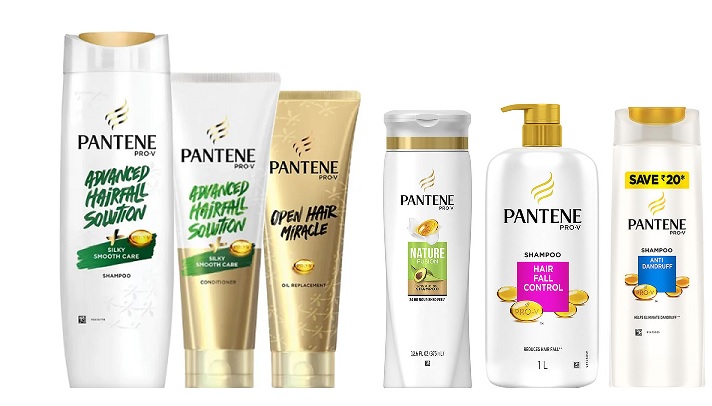
Pantene is the ace in the Procter and Gamble category in personal care and hair care. It is one of the brands contributing to the largest sales for P&G. Pantene is a star Product of P&G. For its trendy collection of shampoos that offer hair nutrition such that the hair becomes shiny and silky, Pantene has been popular for years.

Pantene was first launched in 1945 and was an independent brand. But it was acquired in 1985 by P&G. There are many types of Pantene hair care products, but shampoos and hair conditioners are in the product lines.

swot analysis of pantene

Let’s Discuss SWOT Analysis of Pantene.

Strengths in the SWOT Analysis of Pantene – Pantene SWOT Analysis

  • Sales: Pantene Shampoo is the highest-selling brand in the US. Pantene is a billion-dollar sales contributor of P&G in the hair care market. It has a presence in more than 100 countries and has a great product range in its portfolio of over 100 products.
  • Pantene was the first mover in the hair care market and it had excellent targeting and positioning for segmentation. Pantene was the preference of all who wanted smooth and balanced hair. Pantene is advertising its products heavily. Pantene used proper marketing to sell its products. It started out in the 1980s with a commercial that said “Don’t hate me because I’m beautiful,” which was an immediate success and from there on, people liked Pantene.
  • Good Brand Image: Pantene is recognized in the hair care market for its brand equity and outstanding brand recall.
  • Product Line Enhancement: Pantene aims to boost the product line with some new items that can guarantee movement off the shelf. It is not easy to add a hundred shampoo and hair conditioner varieties and still give benefit to customers. Pantene is able to do this with products such as Hairsprays, Dry Shampoos, Detox Shampoos, Gels, Creams, Mousse, 2-in-1 shampoos, Heat Shield Shampoos, etc.
  • Wise and Integrated Marketing: Products such as Pantene require both Push and Pull strategies. Pantene uses effective and coordinated promotions to increase sales of Pantene Products.
  • Research and Development: Each Variant of Pantene offers a different function. There are at least 100 different kinds of shampoos, conditioners, creams, and whatnot, as described above, each of which is aimed at serving a function. So, naturally, Pantene has an exceptional department of market research and design and development. It must envision items that the buyer wants and then present the customer with the finished goods. Pantene is spending an extensive amount of money on Research and Development to fit everyone’s needs.

Weaknesses in the SWOT Analysis of Pantene – Pantene SWOT Analysis

  • Saturated Market: The saturation of the market is a challenge affecting both personal care and hair care products in particular. There are 100 items on a haircare shelf and the only one can be preferred by a customer. This is a strong saturation sign. And Pantene is also facing this saturated market situation.
  • Allegations and Dissatisfaction: Some online forums are full of frustration with Pantene shampoos claiming that the shampoos are too hard or that they respond often causing hair loss. Consumer dissatisfaction is increasing. To convince these customers, Pantene needs to have an online staff managing such grievances.
  • High Brand switching: Due to available options people are switching their brands for shampoos. Pantene sales is also declining due to this switching.
  • Pricing: It is impossible to handle too many products and sustain their prices at an optimal positive level, and therefore price control for Pantene becomes tedious. Pricing is direct affected by the distribution network, fuel prices, promotion costs, etc.

Opportunities in the SWOT Analysis of Pantene – Pantene SWOT Analysis

  • The number one thing Pantene wants to do right now is to listen to its clients on its web forums and discuss the challenges they are facing. First of all, this would avoid further concerns from coming into or influencing the brand. This will also contribute to new product innovations.
  • Focusing on customer needs and desires: Pantene has very much addressed the needs component of customer demand and has many items in the area of desire. But in addition to the usual line of consumer goods, it needs to join the demand segment and launch its own like of products like L’oreal has L’oreal lux, the premium range. This would drive even more brand equity.
  • Expanding with additional product ranges, consumers in the hair care sector want the items to be rejuvenated and fresh at all times with the old basics on the shelf. Pantene would also aim to broaden its product ranges while reinforcing the products it has in its existing portfolio.
  • Market Opportunity: The market opportunity for hair care and personal care items is rising and it has a great deal of demographic and regional potential. With more and more individuals using hair care products on a regular basis, the demand opportunity is more all the time.
  • Growing marketing spending: Pantene will recover the momentum it has lost by increasing its marketing spending. Marketing expenses would, of course, be made to get the brand back to its original standards and to boost excellent brand value and brand recall.
  • Pantene can also launch products like Neem Shampoo, and Shampoo with natural ingredients like satretha, Amla etc.
  • Improve rural penetration: Packaging plays an important role in rural penetration where the size of the product is large and should be available in sachets of 1 rupee. Where urban areas require discounts on larger purchases, rural areas may make purchases of 1 sachet once a week. By penetrating Rural India, P&G has implemented several strong measures and reaped benefits.
  • Maintaining the brand image: Because Pantene is in a great position, this in itself can bring more sales. If it exists like this for a few more years to come, it will drive a lot of money for itself to make it a failure-proof brand with deep pockets.
  • Geographical expansion: As new nations continue to grow and emerge from poor economic zones, this creates new opportunities for brands that want to move from saturated economies to developing economies. This keeps the business in an ever-growing stage. Geographic expansion is a sure-fire way to minimize your risks.

Threats in the SWOT Analysis of Pantene – Pantene SWOT Analysis

  • Competition eroding the bottom line: Bottom lines are being undermined with saturated segments and price competition in the industry. This is a serious challenge to Pantene and in exchange, to P&G.
  • Extra Promotions- In the hair care category, there is so much noise that it takes extra imaginative measures or too much effort to stand out. All the companies are taking extra efforts to promote their products. This can be a major Threat to Pantene.
  • Competition: Sunsilk is Pantene’s rival for decades. Both brands are good competitors and competing with new variants and pricing.

If you like This Article Please Like our Facebook Page PROJECTS4MBA

Cite This Work

Referencing Style to cite this article:
[citationic]

SWOT Analysis of Pantene – Pantene SWOT Analysis [Explained] Read More »

SWOT Analysis of Dettol – Dettol SWOT Analysis [Explained]

This article presents a detailed SWOT Analysis of Dettol. SWOT Analysis of Dettol focuses on Strength, Weaknesses, Opportunities, and Threats. Strengths and Weaknesses are internal factors and Opportunities and Threats are external factors. SWOT Analysis provides a well-tested management methodology that enables Dettol in comparison with competitors and industry to assess its business performance.

Dettol is one of the top brands of Reckitt Benckiser. It is recognized as a household name and is the first product to be considered when an anti-septic liquid is required. In fact, a few years ago, for all anti-septic lotions, Dettol had become a common brand name. It is one of the most trusted antiseptic liquid.

One of the positive points in the SWOT Analysis of Dettol is the product and its brand equity. People have blind faith in Dettol. In fact, instead of any other antiseptic, doctors use Dettol to date.

Here is the SWOT analysis of Dettol.

swot analysis of dettol

Strengths in the SWOT Analysis of Dettol – Dettol SWOT Analysis

  • Dettol is essentially the oldest germ killer in the market and has been used since 1936. Dettol has been used as an anti-septic in surgeries and has wide usage. Dettol is used for small scratches and a big one as an antiseptic liquid.
  • Dettol has become a household name due to its product consistency and easy use.
  • Dettol made a wise decision as it widened its brand identity to other everyday products that are still used in high quantities, such as soaps, oils, hand wash, body wash, and others.
  • Brand equity: Before Savlon arrived, Dettol had almost a monopoly on the anti-septic liquid market. Savlon has the biggest rival of Dettol. But in the soap and hand wash market, Dettol was also able to gain momentum due to its brand image.
  • Since it was the first to arrive on the market, many loyal customers still choose Dettol to think of this brand as the original Anti-septic quality.
  • Distribution and Reach: In almost every state, Dettol has a large number of dealers, backed by a strong distribution network that ensures that its goods are readily accessible to a large number of consumers in a timely way.
  • Cost structure: The low-cost structure of Dettol allows it to manufacture at a low cost and to sell its goods at a low price, making it affordable to its clients.
  • Dealer Community: Dettol has a good partnership with its dealers which not only supplies them but also focuses on promoting the products and training of the company.
  • Automation: Automation has enabled more effective resource utilization and cost reduction from various stages of production. It also enables its goods to be consistent in quality and offers the flexibility to scale up and scale down production as per market demand.
  • Trained labor force: Dettol has invested heavily in its workforce training, which has resulted in it hiring a significant number of professional and motivated workers.
  • Has a diverse workforce, with people of many ethnic, racial, cultural, and educational backgrounds who help the organization bring in various ideas and methodologies to do things.
  • Entering new markets: Creative teams from Dettol have helped it to come up with new products and reach new markets. In the past it was successful, in most of the initiatives it took in new markets.

Weaknesses in the SWOT Analysis of Dettol – Dettol SWOT Analysis

  • Penetration levels: Dettol is the market leader in practice and does not look at aggressive growth. With further penetration into rural areas, the delivery of Dettol can become stronger. The company must expand distribution into rural areas for Dettol soaps and hand wash.
  • Burning Pain in Dettol is the major weakness of the brand but Savlon doesn’t cause this burning pain on its application. Dettol must do something to reduce the burning sensation

Opportunities in the SWOT Analysis of Dettol – Dettol SWOT Analysis

  • Introduction of New Products: Dettol can launch Sanitizer: Looking at the COVID-19 Scenario need for good hand sanitizer and anti-germ liquid is increasing. Thus Dettol must launch Sanitizers. Shampoo and is one product that should be in the portfolio. While this is too ambitious to wish for, Dettol baby goods would produce an entirely new demand for Dettol and give the company a new market to play in. The market is competitive, but Dettol will offer parents of newborn babies the confidence that their product is safe for the health of the baby with good products.
  • Fast Expansion: Dettol has to expand faster and take care of the situation in more territories. If it extends its offering to a non-burning anti-septic it can totally capture the market.

Threats in the SWOT Analysis of Dettol – Dettol SWOT Analysis

  • Competition from Savlon: None of the other rivals except Savlon are getting close to Dettol in the antiseptic industry. Dettol is not able to resist competition from Savlon.
  • New Entrants: Dettol has a threat from the new companies entering the market.
  • Government Regulations: Government regulations on the Pharmaceutical industry can directly or indirectly affect the sales and manufacturing of Dettol.

If you like This Article Please Like our Facebook Page PROJECTS4MBA

Cite This Work

Referencing Style to cite this article:
[citationic]
SWOT Analysis of Dettol – Dettol SWOT Analysis [Explained] Read More »

SWOT Analysis of Dove – Dove SWOT Analysis [Explained]

This article presents a detailed SWOT Analysis of Dove. SWOT Analysis of Dove focuses on Strength, Weaknesses, Opportunities, and Threats. Strengths and Weaknesses are internal factors and Opportunities and Threats are external factors. SWOT Analysis provides a well-tested management methodology that enables Dove in comparison with competitors and industry to assess its business performance.

Dove is a brand of Hindustan Unilever. Dove is one of the best brands in its segment. Dove has a wide range of products for men and women. Dove products include shampoos, soap, body wash, deodorants, and other products.

The history of Dove is really fascinating. During the Second World War Dove was invented when the soldiers used seawater to bathe. They wanted a soap that was strong with water from the Sea and Dove was excellent. But after the war was over, Dove was worthless, because of daily water it couldn’t be used. It was pretty strong. The R&D applied the cream to the soap to make Dove simple to use with regular water. Now Dove has become very mild soap. It is also known as gentle cleansing soap.

swot analysis of dove

Let’s discuss the SWOT Analysis of Dove.

Strengths in the SWOT Analysis of Dove – Dove SWOT Analysis

  • Product Design: Dove’s is a mixture of Soap and Cream this makes Dove both clean and smooth. Therefore, Dove consumers just love the brand. Dove has used this popular product mix in its entire product range.
  • Promotions: Dove target all segment of people hence it has a strategy to use normal people for its promotion. Dove does not use celebrity endorsed advertisement for promoting its products. Consumers believe that brand speaks for them and thus choose the brand over others immediately.
  • Cost-efficiency: Because the brand does not use celebrities, it saves a lot of money on promises. However it cannot be considered absolute cost savings since the brand promotes more via many outlets at the same time and the publicity budget is very high.
  • Distribution channel: The distribution channel is a crucial asset of every HUL brand. But since Dove wishes to carry off a “Premium” look, the delivery chosen by hand makes it much more beneficial. Dove is sold in leading supermarket chains and premium retailers. HUL is targeting both traditional channels and Modern Channels for the sales of Dove Products.
  • Profitability: According to statistics Dove is after Knorr and Lipton the third most selling brand in the HUL portfolio.

Weaknesses in the SWOT Analysis of Dove – Dove SWOT Analysis

  • Increasing Product Cost: Due to increase in fuel prices transportation and distribution cost is increasing, change in labour cost also impact the pricing of the products.
  • Reduced Margins due to Competition: There is a lot of competition in skin care segment hence company has to give discounts and offers this will reduce margin in the product.

Opportunities in the SWOT Analysis of Dove – Dove SWOT Analysis

  • Dove can be introduced for Men. Dove is mostly concentrated its business towards Women’s.
  • Develop and reinforce the product portfolio-The field of personal care still has the potential to launch new versions or new product lines. HUL’s R&D department is renowned and over the year they have brought many champion products. The same can be said of Dove that if the product range gets static, they can instill new life in the brand cycle.
  • The consumer market is growing and the target market is constantly growing due to increasing sales. Where individuals originally would not have dreamed of buying Dove, which is an expensive soap, the rising revenue, and awareness of how healthy skin drives overall well-being is increasingly driving more and more individuals to purchase Dove. And thus the target demand is growing.
  • Rural Market Penetration: Rural People are not aware of Soft and Hard Shampoos and Soaps. Thus the company must use an aggressive marketing strategy in rural areas to promote their products.
  • Product Range: Expanding the product line as well as adding additional products in the product mix would result in the expansion of the full product mix-something that will also be the goal of HUL.
  • E-commerce – Dove has an E-commerce advantage over its competitors. A lot of its products are sold through E-commerce platforms. Due to this, consumers can easily find Dove products online.

Threats in the SWOT Analysis of Dove – Dove SWOT Analysis

  • Market saturation-With Neutrogena, Olay, and Nivea independently selling Cream or Soap individually, the market is crowded and there are few items to buy in mind for the luxury target market. For example, a consumer can choose to buy the soap of their choosing and then add Nivea cream instead of buying Dove soap. In order to promote their goods, even Nivea is selling like mad. The penetration of the industry is also apparent.
  • Olay Copied Promotional Strategy of Dove: Olay recently copied Dove’s technique, which began using real-life consumers and putting them on the screen to illustrate the effect of their products. If the only thing pushing your own company in the industry is stripped away by the rival brand, so the marketing campaign becomes unsuccessful. So if consumer testimonials are exploited as a messaging mode over a period of time, Dove will have to try alternative ways to get its message out.
  • Competition: Competition is a big challenge today to any Personal Care brand so strong that each brand must protect its core strength and tackle the other vulnerabilities. Dove is facing tough competition from Nivea and Olay and other national and international brands.
  • Competitors Pricing: Competitors pricing and strategies can be a major threat to the company.
  • Government Policies: Government Policies and regulations can directly affect the manufacturing and sales of Dove.

SWOT Analysis of Dove – Dove SWOT Analysis [Explained] Read More »

SWOT Analysis of Ponds [Explained]

This article presents a detailed SWOT Analysis of Ponds. SWOT Analysis of Ponds focuses on Strength, Weaknesses, Opportunities, and Threats. Strengths and Weaknesses are internal factors and Opportunities and Threats are external factors. SWOT Analysis provides a well-tested management methodology that enables Ponds in comparison with competitors and industry to assess its business performance.

Ponds is one of HUL’s leading brands for skincare and has an ancient history. The firm has been in operation since the 1840s, as founded by Mr Pond’s after whom the brand was named. Pond’s has since been present with different forms of skincare products, primary powders from Pond, makeup products, anti-aging, cold creams as well as men’s care products which are introduced recently.

swot analysis of ponds

Let’s Discuss the SWOT Analysis of Ponds.

Strengths in the SWOT Analysis of Ponds – Ponds SWOT Analysis

  • Market Leader in Skin Care Products: Pond’s is one of the biggest Skin Care brand of HUL. It basically occupies the middle and upper-middle price segment and is a preferred commodity by the masses.
  • Women are Target Customers: Since the days of its inception, women’s are using Ponds. Both the goods and ads have been aimed at women. All its advertisements focus on women as the target customers.
  • Products Range: Pond’s has a solid product line and enhanced the income of HUL. It also has strong market capitalization and guarantees fast market consumption with the launch of new products.
  • Backed by Financial Support of HUL: Pond’s is one of the labels in the HUL Umbrella, Ponds is backed by a lot of financial support from HUL. Ponds Powders and Ponds cold cream are the most selling products of HUL.
  • Excellent distribution: Ponds is a product from the house of HUL and HUL has an excellent distribution. Margins of Retailers are good. HUL has strong damage and credit policy. Ponds is reaching the masses by the distribution policy of HUL.
  • Marketing through the years – In order to launch a product that appeals to the public, you need a mass marketing campaign. And Ponds has over the years launched many above the line and below the line, promotions including with strong brand ambassadors, which have marketed the brands and have promoted consumer acceptability. HUL has a specialized team to promote its products.

Weaknesses in the SWOT Analysis of Ponds – Ponds SWOT Analysis

  • Increasing Product Cost: Due to the increase in fuel prices transportation and distribution cost is increasing, change in labor cost also impact the pricing of the products.
  • Reduced Margins due to Competition: There is a lot of competition in the skincare segment hence the company has to give discounts and offers this will reduce the margin of the product.

Opportunities in the SWOT Analysis of Ponds – Ponds SWOT Analysis

  • Rural Market Penetration: Rural People are not aware of skincare creams and powders. They don’t use such products hence the company must use an aggressive marketing strategy in rural areas to promote their products.
  • Market potential- Market Potential for Skincare and Talcum Powders is growing. Developing economies are evolving as new markets for Ponds. Exploring these new markets would provide Ponds with greater revenue down the road than remaining in the same crowded markets.
  • Product Range: Expanding the product line as well as adding additional products in the product mix would result in the expansion of the full product mix-something that will also be the goal of HUL.
  • Care for men – Caring for men’s skin is a successful investment for Pond, one of the only openings in the industry. Gillette and Nivea are already here and Pond’s can also make their mark.
  • Cold cream – The cold cream market is another field that has a great deal of promise and one totally dominated by Nivea. Ponds must enter this market with further marketing and advertisements in order to maximize brand reclamation. This would translate to higher sales and therefore higher margins.
  • Anti Aging: Ponds is competing with Olay’s anti-aging cream. Ponds had the upper hand in the beginning, but Olay quickly took over with intelligent marketing tactics. But Pond’s can formulate strategies to capture this segment and use this as an opportunity.
  • E-commerce – Ponds has an E-commerce advantage over its competitors. A lot of its products are sold through E-commerce platforms. Due to this, consumers can easily find Ponds products online.

Threats in the SWOT Analysis of Ponds – Ponds SWOT Analysis

  • Competition – Competition is a big challenge today to any Skin Care brand so strong that each brand must protect its core strength and tackle the other vulnerabilities. Ponds is facing tough competition from Nivea, Cinthol, Yardley, and other national and international brands.
  • Use of Brand Ambassadors – In the Skin Care industry Ponds is a distinguished brand due to the wise use of brand ambassadors. But other players can use this strategy and easily compete with Ponds.
  • Competitors Pricing: Competitor’s pricing and strategies can be a major threat to the company.
  • Government Policies: Government Policies and regulations can directly affect the manufacturing and sales of Ponds.

If you like this article please like our Facebook Page PROJECTS4MBA

Cite This Work

Referencing Style to cite this article:
[citationic]

SWOT Analysis of Ponds [Explained] Read More »