SWOT Analysis of L’Oreal – L’Oreal SWOT Analysis [Explained]

This article presents a detailed SWOT Analysis of L’Oreal. SWOT Analysis of L’Oreal focuses on Strength, Weaknesses, Opportunities, and Threats. Strengths and Weaknesses are internal factors and Opportunities and Threats are external factors. SWOT Analysis provides a well-tested management methodology that enables L’Oreal in comparison with competitors and industry to assess its business performance.

L’oreal is a French organization and it has many amazing products in its portfolio. L’oreal is the real superstar in the beauty and cosmetic industry. L’Oreal is known for its super brand L’Oreal Paris. L’oreal sells and own numerous top brands like Maybelline, Garnier, Essie and many others. L’Oreal also owns The Body Store, which reveals all its labels plus more of them.

L’Oreal has around to 30-40 products and these products are traded in 130 countries. L’oreal has of widespread distribution. L’Oreal Product range are divided into various product categories and has a good market reach. Some of the products are in the L’oreal Luxry segment.

Let’s Discuss the SWOT Analysis of L’Oreal.

Strengths in the SWOT Analysis of L’Oreal – L’Oreal SWOT Analysis

  • Largest makeup/cosmetics manufacturer: L’Oreal is probably the largest beauty and cosmetics business in the country. Where other businesses have a product line focusing on cosmetics and personal care, L’oreal is fully concentrated on beauty products as a brand, which is really the reason for the company’s remarkable success in this market.
  • Continuous R & D- When it comes to beauty and makeup, the way to go is not just pure development. Dermatology, cosmetology, skin care, hair care, sun health, and different sciences may be included in this. The effect of a cream can be very distinct under hot and cold conditions. Therefore at L’oreal, there are extensive Research & Development studies to ensure the safety of its users and also to continue trying new goods.
  • Fantastic merchandise and product portfolio-The product range of L’oreal’s is very wide. Garnier focuses on better hair and personal maintenance, Maybelling focuses on embellishment. And all of them are perfect brands in there segment. L’oreal has ensured that each brand holds the emphasis on its core strength that contributes to the strengths of L’Oreal’s SWOT analysis.
  • High product quality- A brand image is created only after the customer buys the product and is pleased with the quality and then consistently buys the same brand again and again. Many customers are brand loyal towards L’oreal Paris, Garnier, Maybelling, Body Shops, L’oreal Luxe brands, and the numerous other l’oreal brands.
  • Strong Communication Channel: With strong marketing communications L’oreal Products are recognised. Not only are these brands known for their publicity strategies above the border, but they are still very successful at their point of sales marketing. Maybelline, Garnier and L’oreal Paris are three main products in L’oreal’s brand portfolio. They are very good names in the brand portfolio. These brands contribute a great deal to L’oreal’s bottom line and allow the other brands to prosper and thrive. With the benefit of these brands, L’oreal is able to invest in its other products and brands and achieve more growth.
  • Good Distribution Network. Due to the existence of the brand in 130 nations, widespread distribution contributes to economies of scale and the sharing of fixed costs such as stores, manufacturers and others. The cost of the goods is also therefore regulated. Dealers and Retailer margin is also good and they are promoting L’Oreal Products.  
  • Organic and Natural Products: Now a days people prefer organic and natural products. L’Oreal is using Organic and Natrual material to manufacture its products. L’oreal has suspended animal experimentation entirely since 1987. In nature, it is 100 per cent humane and sustainable and hence the preference of animal lovers.

Weaknesses in the SWOT Analysis of L’Oreal – L’Oreal SWOT Analysis

  • Large Operation Base: The handling of such a large operation is often riddled with concerns and difficulties, and in L’oreal it is a similar situation. Because of the many sub departments it has the organisation is considered to be sluggish and bulky in design. Employee management in L’oreal is also a concern, as the company has up to 60,000 employees. Thus, spending on human resources is massive.
  • Garnier is one brand that struggles from the intensity of competition because it is in the hair care market where there is a lot of competition from both HUL and P&G. Hair care market is a saturated market and facing tough competition. Sunsilk and Head and Shoulders, both very strong in the hair care market.
  • Low Profit Margin: Higher R&D expenses, organic processes and massive distribution costs mean that L’oreal’s profit margins are marginally lower relative to competitors. However, while this was a drawback, L’oreal has already been made one of the best brands in the cosmetics category by R&D.

Opportunities in the SWOT Analysis of L’Oreal – L’Oreal SWOT Analysis

  • Market potential- Market Potential for Personal care and beauty products is growing. Developing economies are evolving as new market for L’Oreal. Exploring these new markets would provide L’oreal with greater revenue down the road than remaining in the same crowded markets.
  • Demand for organic cosmetics: The demand for organic cosmetics is on the rise. Increasing demand of organic cosmetic is a positive sign for L’oreal Products. L’oreal has a organic Research & Development approaches from the beginning.
  • Product Range: Expanding the product ranges as well as adding additional products in the product mix would result in the expansion of the full product mix-something that will also be the goal of L’oreal management.
  • Body shop: The body shop is going through a recession and has not really taken up as a shopping outlet. The capacity has yet to be studied. L’oreal will make the Body Shop the go-to place for people who love to deck themselves out by investing in rejuvenating the brand.

Threats in the SWOT Analysis of L’Oreal – L’Oreal SWOT Analysis

  • Dynamic nature of the cosmetics industry: With the continuous upgrading needed in the cosmetics industry, it is essentially very difficult to keep up with the times. You can’t at once make everyone happy, and that appears to be the conundrum. Plus, the rivalry will not stay silent and they will try to come up with their own clever strategies. As a result, the beauty industry’s competitive existence holds the brand on its own.
  • A brand such as L’oreal, which has so many sub-brands, has to break the money it receives into many distinct divisions. As a consequence, if the economy slumps, it will face a massive challenge. In one nation or another, economic issues are still there and the cash inflow from that country ceases as a result. This causes general cash flow issues and it becomes impossible to control working capital. Nevertheless the economy as a whole, including European countries and Asian countries, is weak. For the business, this has triggered a cash shortage and danger looms if the economy slumps.

If you like this article please like our Facebook Page PROJECTS4MBA

Cite This Work

Referencing Style to cite this article:
[citationic]

SWOT Analysis of L’Oreal – L’Oreal SWOT Analysis [Explained] Read More »
SWOT Analysis of GSK – GSK SWOT Analysis [Explained]

This article presents a detailed SWOT Analysis of GSK. SWOT Analysis of GSK focuses on Strength, Weaknesses, Opportunities, and Threats. Strengths and Weaknesses are internal factors and Opportunities and Threats are external factors. SWOT Analysis provides a well-tested management methodology that enables GSK in comparison with competitors and industry to assess its business performance.

GlaxoSmithKline (GSK) has its headquarters in Brentford, UK, and is a multinational pharmaceutical and consumer health products company. The company has a strong presence in Europe, United States, Asia-Pacific, and in more than 100 countries. GSK looks forward to expanding its range of products and is spending actively in research and development.

swot analysis of gsk

Strengths in the SWOT Analysis of GSK – GSK SWOT Analysis

  • Strong Research and Development: GSK has made focused efforts on the research and development of new products. The company is doing research in HIV, respiratory, and cardiovascular drugs. The focus of GSK on technology-driven R&D advancement lets the organization improve its role in the industry.
  • Distribution Network: In India and around the world, GSK has created a strong sales and distribution network. GSK distribution network helps to increase its reach and improve the sales network.
  • Strong global presence: GSK products are operated in more than 100 countries worldwide, minimize the occurrence of over-dependence on a few markets.
  • GSK and Novartis Joint Venture: GSK and Novartis Joint Venture takes place in 2015 for consumer healthcare products and vaccines, which allows both companies to increase production, new product development, penetration, and increase market share.
  • Process Automation: Process automation added quality stability to the products of GSK and allowed the business to scale up and scale down on the basis of market demand conditions.
  • Superb New Markets performance-GSK has gained experience in entering and flourishing through new markets. The extension helps the company develop additional income sources and diversify the impact of the economic cycle in the countries in which it works.
  • Training and Development: Highly trained workers by effective systems of training and development. GSK spends huge funds in training and career growth, resulting in a highly-skilled workforce that is not only inspired to do more.
  • Customer Relationships: The company, with its committed customer relationship management staff, has the opportunity to achieve a high degree of customer loyalty among current customers and strong brand value among prospective customers.
  • Development of Distribution Channels: It has created a community among distributors and distributors where distributors not only sell the goods of the company but also invest in educating the sales staff to demonstrate the benefits from the products.

Weaknesses in the SWOT Analysis of GSK – GSK SWOT Analysis

  • Allegations of healthcare fraud impact the brand image: GSK has been reported to have illegally marketed prescription medications, misleading sales charges, and failure to disclose safety information in certain countries. Charges of endorsing antidepressants that have not been approved by the FDA in the US for example. Such cases impact the company’s brand image.
  • Generic competition and maturity of Flagship drugs: Several GSK products and vaccines are now subject to competition from generic medicines and some of the flagship products are now reaching maturity. For GSK, this can influence sales.

Opportunities in the SWOT Analysis of GSK – GSK SWOT Analysis

  • Strategic growth through Acquisitions and Collaboration: In recent years, GSK has inorganically grown its portfolio through Acquisitions and Collaborations. Acquisitions and partnerships help GSK to expand its portfolio and boost its market share.
  • New Product Launch: GSK has recently introduced new products, especially in the metabolic and respiratory business. The announcement of Nucala as a medication for refractory eosinophilic asthma in adults, for example. Such new product launches enhance the portfolio of the company and strengthen the company.
  • Increasing demand and awareness of quality healthcare: Increasing demand in India and other emerging nations for quality healthcare products gives pharmaceutical companies such as GSK an opportunity to improve their product line.

Threats in the SWOT Analysis of GSK – GSK SWOT Analysis

  • Price controls for drugs: In many countries, drug prices are controlled by law. In India for example, a new pricing management strategy has been proposed under which drug prices may decrease.
  • Intense competition in the industry: GSK’s consumer care products as well as pharmaceuticals are subject to intense competition in the industry that not only limits market share but also leads to price wars.
  • Generic competition: The launch of generic drugs has impacted pharmaceutical firms’ sales as sales and supply of generic medications have improved.
  • Government Regulations: Government Regulations can directly affect the production and sales of GSK. Thus government regulations can be a major threat to the company.
  • Intense Competition: Competition faced by similar product manufacturing companies can also be a major threat.

If you like this article please like our Facebook Page PROJECTS4MBA

Cite This Work

Referencing Style to cite this article:
[citationic]

SWOT Analysis of GSK – GSK SWOT Analysis [Explained] Read More »
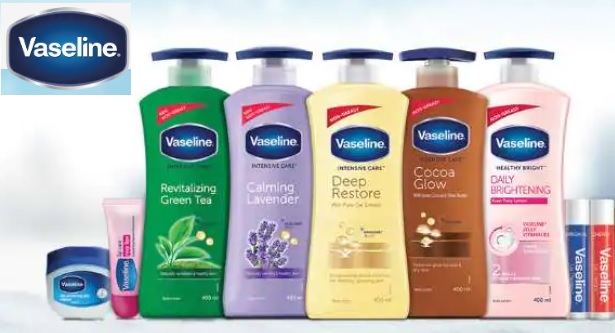
SWOT Analysis of Vaseline – Vaseline SWOT Analysis [Explained]

This article presents a detailed SWOT Analysis of Vaseline. SWOT Analysis of Vaseline focuses on Strength, Weaknesses, Opportunities, and Threats. Strengths and Weaknesses are internal factors and Opportunities and Threats are external factors. SWOT Analysis provides a well-tested management methodology that enables Vaseline in comparison with competitors and industry to assess its business performance.

Vaseline is a very common medication for both children and adults and is used to make the skin smooth, as well as for diaper rashes and for cuts and burns. Vaseline was invented and originally called Wonder Jelly by Mr. Robert Chesebrough in 1859.

Vaseline is petroleum jelly. The Vaseline brand is the generic name of petroleum jelly. Vaseline is a very successful product. HUL has acquired Vaseline and HUL has done brand extension of Vaseline. Vaseline

swot analysis of vaseline

Strengths in the SWOT Analysis of Vaseline – SWOT Analysis of Vaseline

  • Strong Brand Image: Since 1859, Vaseline remains, and few brands can hold such an ancient legacy. Since its inception, Vaseline is a famous brand.
  • Brand Extension: HUL has used the brand name of Vaseline and extended its product line under the name of Vaseline. Some of the Products include Lip Care products, Derma Lotions, Lotions, and Moisturizers, Protecting Jelly
  • Product Need: Petroleum jelly is needed especially during cold or even during dry weather and it is often used as a cream to control skin burns. Petroleum jelly is used in many ways and plays an important part in skin forming. Thus, in every home, it is found as a protective precaution in the bathroom or the medical office.
  • Good promotion and presence: Vaseline has been present in more than 70 countries and HUL recognizes that promotions of the brand can help increase the sales of the company.
  • Brand growth: Vaseline used to be made with a few products such as petroleum jelly and one or two sponsored products, but it has at least 15 different products in its product range now, and you can find the products vary as you get there in different countries. Thus, Vaseline has promising effects in these plans to grow the formula.
  • Limited Competiton: Vaseline is almost a generic brand, and Vaseline’s success is not similar to any other brand. Currently, Nivea and Vaseline are close rivals. However, Vaseline is limited to cold cream and can also be used as a diaper rash cream in various applications. The competition for the core Vaseline commodity is very less due to its various applications.
  • Vaseline has intelligently used its power – Vaseline is a brand of skincare that relies solely on the cutaneous and little else. Its brands have been smartly introduced and if a customer buys a Vaseline brand he or she loves it since there are many connected skincare products in Vaseline.
  • Available in Various small and big pack size. Vaseline has a pack of Rs. 5 which means it is available for everyone who needs Vaseline.

Weakness in the SWOT Analysis of Vaseline – SWOT Analysis of Vaseline

Expansion happens in very competitive segments – while the core segments of Vaseline are strong, with greater brand equity, expansion of both saturated and competitive segments is expected. A number of brands is present in the Skin cure market, such as Nivea, Johnson and many others.

  • Infringements of counterfeits and trademarks – Vaseline face a dilemma of violation of counterfeiting and trademarks in different countries and cannot monitor them. The processing of petroleum jelly is simple and inexpensive, making it also easy to falsify.
  • Compared to rivals, brand coordination is weak – If competitors have good correspondence during the year due to their retail promotions, Vaseline communications are intermittent and not necessarily continuous. This causes a dilemma as the items other than the main products are pulled.

Opportunities in the SWOT Analysis of Vaseline – SWOT Analysis of Vaseline

  • Increase marketing communications – Vaseline must broaden marketing communications in order to win over the business because the skincare segment is competitive. Although competition is strong, this sector’s consumption is also high. The winner thus gets many rewards for his investment.
  • Differentiated Product – Through its R&D department, Vaseline is the best organization to encourage creativity, patents, and the launch of products that shake the industry. These inventions and patents can contribute to Vaseline in the skincare industry and hence produce a significant amount of revenue for the parent company – HUL.
  • New Markets can be tapped in new countries and locations.

Threats in the SWOT Analysis of Vaseline – SWOT Analysis of Vaseline

  • Missing year-round revenue – Vaseline sales shrink all year round and which change seasonally due to the very existence of the main goods. The time most definitely is when the income is strongest in the winter season. This sales shortfall will affect operations.
  • Few brands but little space for growth – Vaseline petroleum jelly has very few brands. Two of them are Nivea and Johnson and Johnson. However, the scope of production growth is limited since the main product cannot be innovated.
  • Government Regulations for the production of Petroleum Jelly and Skin Care Products can directly influence the sales and manufacturing of Vaseline.

If you like this article please like our Facebook Page PROJECTS4MBA

Cite This Work

Referencing Style to cite this article:
[citationic]

SWOT Analysis of Vaseline – Vaseline SWOT Analysis [Explained] Read More »
SWOT Analysis of Barclays – Barclays SWOT Analysis[Explained]

This article presents a detailed SWOT Analysis of Barclays. SWOT Analysis of Barclays focuses on Strength, Weaknesses, Opportunities, and Threats. Strengths and Weaknesses are internal factors and Opportunities and Threats are external factors. SWOT Analysis provides a well-tested management methodology that enables Barclays in comparison with competitors and industry to assess its business performance.

Barclays is a world-leading banking and financial services company. Barclays is a British Company. Barclays has its headquarter in London. Barclays is involved in retail, wholesale, and investment banking business. Barclays is a well-established company and has a good brand name.

swot analysis of barclays

Bank operates is working in may areas i.e. Retail Banking, Corporate Banking and Investment Banking, Wealth Management and Investment Advisory.

Strengths in the SWOT Analysis of Barclays – Barclays SWOT Analysis

Brand Name: Barclays is definitely one of the best established financial names in its field. Barclay is a official sponsor English Premier League’s. This sponsorship helped Barclay to earn enormous popularity all over the world. Barclays generates large income and will and also guarantees that young people are aware of Barclays by the time they age to claim financial responsibilities.

  • Branches & ATMs: The bank has more than 4750+ branches and operates in over 55 countries. Barclays has around 1600 offices in UK. Via post office branches, they also provide personal banking facilities. It is also a member of the global ATM partnership that helps individuals from several banks without having to pay a premium to borrow money from member banks’ ATMs.
  • Innovation: Over the years, Barclays has been at the heart of innovation. The first credit card came into being in 1966 and the OnePulse card was just recently introduced, incorporating many features into the card.
  • Efficient track record via mergers & acquisition to combine similar businesses. Over the last few years, it has effectively incorporated a range of innovative companies to streamline its activities and create a stable global market.
  • Action automation added quality continuity to Barclays services and has allowed the company to scale up and scale down on the basis of market growth trends.
  • Good returns on capital expenditure: Barclays is reasonably efficient in introducing new schemes and by developing new sources of revenue, has created good returns on capital expenditure.
  • Professionally experienced workers by effective systems of learning and training. Barclays spends enormous resources in the recruitment and growth of its employees, contributing to a workforce that is not only highly trained, but also driven to do more.
  • Phenomenal Emerging Markets Performance: Barclays has gained experience in accessing and finding growth in new markets. The extension helps the company develop additional income sources and diversify the impact of the economic cycle in the countries in which it works.

Weaknesses in the SWOT Analysis of Barclays – Barclays SWOT Analysis

  • Outbid by ABN Amro: In 2006, ABM Amro outbid Barclay’s bid to penetrate the Asian market, and substantial costs had to be incurred to chalk out a new entry plan.
  • Ethical Issues: In the last few years, Barclays has been hit by a variety of scandals. The bank was for instance, suspected in 2009 of breaking international money laundering rules. It was also accused of having helped finance the government of President Robert Mugabe in Zimbabwe. Barclays was also accused by HM Revenue and Customs in the UK of developing and employing two strategies to prevent large sums of tax. As a result, in 2012, the UK Treasury directed the bank to pay ÂŁ500 million in tax. Investors can have doubt on Barclays’ honesty and ethics.
  • For Barclays, low customer satisfaction rates are also a concern. For eg, in an independent survey in February 2019 that asked customers of the 16 largest personal current account suppliers in the UK, the Bank became No 5 in overall service quality. In branches, it became No 9 in services. It was 2nd in online and mobile banking systems, however.

Opportunities in the SWOT Analysis of Barclays – Barclays SWOT Analysis

  • Emerging markets: In emerging countries where there is a growing need for credit in both retail banking and wholesale banking fields, there are great opportunities for Barclays. The push for production and growth would lead to a higher demand for credit. On this, Barclays will capitalise.
  • Increase in financial literacy among youth: As education standards grow, the number of young people searching for investing opportunities will increase. Thanks to becoming the English Premier League sponsor, Barclays already has a good brand memory among young people, and it should make use of this recall to tap young people right at the start of their investment journey and aim to retain them as loyal consumers for a long period of time.
  • The business should get into a larger portfolio of offerings in order to draw more consumers and should also aim to improve cross: selling.

Threats in the SWOT Analysis of Barclays – Barclays SWOT Analysis

  • Closing Branches: Barclays closed a number of branches in 2000 and then gained a reputation for not being a client: friendly company. Other banks have taken advantage of this and have positioned themselves as customer: friendly firms that retain open branches.
  • Position in Asia: The position of Barclays in Asia is not as strong as it is in Europe. It is important to look closely and very carefully at their companies in Asia. Asia’s existing players have improved their positions and giving a touch competition to Braclays.
  • Economic stability is still a threat, as is the case with any other bank. In a matter of months, when things go wrong in the macro economic scenario, the status of banks can change dramatically.
  • In various markets, Barclays faces fierce competition from a variety of rivals. UBS, Deutsche bank, RBS, Morgan Stanley, HSBC, Credit Suisse, JP Morgan & Chase, Wells Fargo, Goldman Sachs Group, and ABN AMRO are Barclays biggest rivals.
  • Legal Issues. For example, in the United Kingdom, the Serious Fraud Office (SFO) charged Barclays Bank PLC with “illegal financial aid” connected to billions of pounds collected in 2008 by Qatar. Barclays has a banking licence that makes it possible for it to work in numerous countries. If the bank is found to be responsible, though, it would lose the incredibly valuable licence.

If you like this article please like our Facebook Page PROJECTS4MBA

Cite This Work

Referencing Style to cite this article:
[citationic]

SWOT Analysis of Barclays – Barclays SWOT Analysis[Explained] Read More »

SWOT Analysis of Nivea – Nivea SWOT Analysis [Explained]

SWOT Analysis of Nivea focuses on Strength, Weaknesses, Opportunities, and Threats. Strengths and Weaknesses are internal factors and Opportunities and Threats are external factors.

SWOT Analysis provides a well-tested management methodology that enables Nivea in comparison with competitors and industry to assess its business performance.

Nivea is one of the brands committed to skincare from the last 100 years of its formation. The brand is loved by its users. People are known to take Nivea pack everywhere they go, particularly while traveling in colder climates. In recent years, Nivea has really extended its product ranges by launching several products and their variations to the market.

Here’s a SWOT Analysis of Nivea

swot analysis of nivea

Strengths in the SWOT Analysis of Nivea – Nivea SWOT Analysis

  • Market Leader in Cold Cream Segment: Nivea totally rules the demand for cold cream. Whenever you’re heading to colder areas, you can’t do without your Nivea powder, the company has some kind of market grip. No other brand has achieved the brand-recall stage of being a cold cream as Nivea. Nivea’s success is shown by its popularity as a cold cream.
  • Brand Equity: Nivea’s Brand Equity is growing and has not been impacted Inevitably, because of its focus on this niche. Over the years, Nivea has earned recognition for its products and is the largest brand in the world and the top-ranked brand in Germany. The brand is estimated at 6.7 trillion dollars.
  • Distribution and geographic footprint: Nivea has about 20 products and is present in a total of 50 countries. This adds to its capacity for distribution, which is rising year after year.
  • Brand Colors: The white and blue colors of the brand are visible in a wide shelf of personal care items. Over the years, the colors have remained unchanged and are synonymous with the brand. To this end, the Marketing Department has won recognition time and again for the use of brand colors through Nivea’s contact platforms.
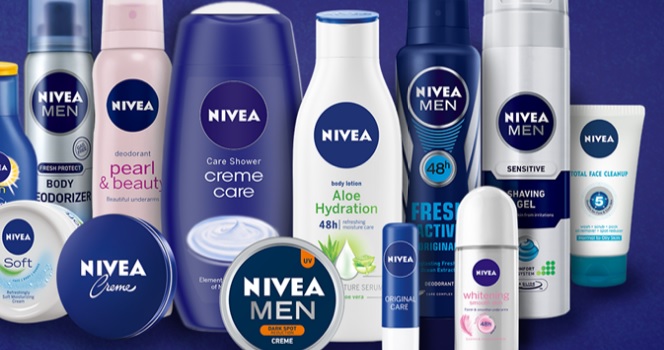
  • Brand Extensions: Nivea has extended its segment under the brand name of Nivea. Nivea products include Nivea Body Cleansing, Nivea Soft Shower Cream, Shower Gel, UV body lotion, Express hydration body lotion, Nivea Cool Kick Shower Gel, and Nivea Power Fresh Shower Gel.
  • State of Art infrastructure: Nivea is using state of art infrastructure and incorporating modern machines to manufacture its products. Nivea is using the latest technology in the Research and Development and the development of New Product Lines.
  • Employees: Nivea is having good trained and motivated employees to manufacture and produce products on a very large scale. Nivea is concentrating on maintaining good employee relations.

Weaknesses in the SWOT Analysis of Nivea – Nivea SWOT Analysis

  • Tough Competition: Nivea is completely dominant in the cold cream market and does not encourage others to join, others do not allow Nivea to enter their territories. As a result, Nivea finds it difficult to position itself in the personal care market of body care and facial care products because there is still significant competition in this segment.
  • Investment required to change brand perception: this is a double-edged sword. On the one hand, Nivea has a fantastic benefit by covering a lucrative market: cold cream. But on the other hand, if it has to thrive, it has to change its brand name and become more of a personal care brand. It’s for the men’s cream. Yet the brand as a whole is heavily geared towards cold creams.
  • Expansion: Several experts condemn Nivea that the company is only present in 50 countries, even though it has such a good brand name. The challenge Nivea faces is that unlike FMCG firms, it does not have so many products in its portfolio. It has to be gradual with expansion. Saturation is an issue with Nivea and brand expansion is the key to higher sales.

Opportunities in the SWOT Analysis of Nivea – Nivea SWOT Analysis

  • The innovation of new product lines: Nivea would continue to incorporate products and product lines to its portfolio of brands. This will allow the firm to have a broad product range in which to position itself firmly in new markets and to crack the stigma of being a supplier of cold cream.
  • Targeting Men’s market: There are fewer personal care products in the men’s category and this segment is ripe for choice with more and more men recognizing the value of taking care of their skin and the role it plays in their general well-being and wellbeing. Nivea has already launched facial wash and body wash in this category and has been favorably received. More product lines that it launches can be assumed to be the same.
  • The market potential is growing: Another positive is that the market potential for personal care goods is growing. Not only is the demographic potential of the industry growing, but the regional market potential is also growing, thereby ensuring a strong future for the brand.
  • Expansion of the territories: In addition to the introduction of new items, Nivea wants to extend into new geographies. If this is not the case, there are rivals such as Ponds cold cream, which will soon be available on the market thanks to their outstanding delivery capacity.

Threats in the SWOT Analysis of Nivea – Nivea SWOT Analysis

  • Competition: Competition is taking away its core strength: while Nivea aims to grow into uncharted territories, brands are targeting its core strength in heading to cold cream. Two brands are the dominant rivals: cool cream Ponds and Johnson and cold cream Johnson. They’re both good rivals for Nivea because they have deep pockets and excellent delivery reach.
  • Danger to the bottom line: Owing to its marketing spending and rivalry in its key business, Nivea, which had cold cream as a cash cow, is risking its bottom line. Where there were a few cash cows, there are now only Stars in the Nivea portfolio. Nivea must nullify this bottom line hazard by responding rapidly. Nivea dose is a total question mark in the BCG matrix since there are almost as many Does on the market, including Axe, which is the largest market shareholder.
  • Normal Marketing Concerns: Nivea has faced a variety of root problems with their marketing as well as major fines levied as a result of false marketing statements. These inaccurate messaging problems are a tooth on the brand that if replicated, will harm the brand.
  • Government Regulations: Government Norms for cosmetics and skin care creams can directly or indirectly affect the company’s business.

If you like this article please like our Facebook Page PROJECTS4MBA

Cite This Work

Referencing Style to cite this article:
[citationic]

SWOT Analysis of Nivea – Nivea SWOT Analysis [Explained] Read More »
SWOT Analysis for Oracle Sun Acquisition [Detailed]

SWOT Analysis for Oracle Sun Acquisition focuses on Strength, Weaknesses, Opportunities, and Threats. Strengths and Weaknesses are internal factors and Opportunities and Threats are external factors.

SWOT Analysis provides a well-tested management methodology that enables Oracle/Sun Acquisition in comparison with competitors and industry to assess its business performance.

swot analysis of oracle sun acquisition

The acquisition strategy is fundamentally adapted by giants to expand their market share and technological footprint and satisfy the rising demands of their clients. Oracle acquired sun for $7.4 billion. Both Oracle and IBM have always been inclined to gain Sun for different purposes, such as Java, Solaris, Mysql, etc. For different motives below, we examined how the acquisition would benefit oracle.

Strengths in the SWOT Analysis of Oracle Sun Acquisition

  • Both the oracle and the sun have a very good range of product. Both had a very large product line since the merger, complementing each other in their hardware and software domains.
  • The merger will lead to technological collaborations leading to superior results and creative techniques.
  • Sun and Oracle both have very high brand value in the market.
  • The Sun contract with Oracle was worth around $7.4 billion. This poses a big challenge to Oracle’s rivals.
  • The partnership between the two has been more than 20 years, and even after the merger, there will not be any friction.
  • Customer base extension. Its customer base is expected to grow in both value and volume following the acquisition plan by Oracle. For example Google, yahoo, FB, etc are users of Mysql, a sun product, etc.

Weaknesses in the SWOT Analysis of Oracle Sun Acquisition

  • Quite shortly after the purchase of the share price of Oracle, there was a fall
  • This resulted in a delay in the decision-making process for both clients and staff to have a deep commitment.
  • “After acquisition, every company has an issue of uncertainty about how the culture of the company will be and the process and policies of the company will be? ”
  • Open source-has a big downside that there are no revision controls and it is not possible to trace the improvements made by the developer. This would make it impossible to discover which edition is the new.
  • Sun has faced a drop in sales and income
  • In computer products, there were records of several uncertainties
  • After the takeover, the life of Sun’s current few brands was in question and Oracle dint came up with a simple solution to Sun’s clients regarding their potential technology collaboration and relationship

Opportunities in the SWOT Analysis of Oracle Sun Acquisition

  • Since both were leaders in their own fields, technological collaborations will contribute to pre-integrated components of software and hardware that complement nature.
  • Fussion Middleware is making good results and the company’s good revenue generating system
  • This would reduce the cost of deployment to clients and simplify the company’s activities.
  • With Sun’s client base, Oracle is willing to extend
  • Acquisition would help to grow their market share to become the technology leader with a richer blend of innovations.
  • Asian economies are emerging, and in Africa, etc., there is a tremendous opportunity for development over the coming decades.

Threats in the SWOT Analysis of Oracle Sun Acquisition

  • The negative result is that there are issues with the long-term relationship between HP and Oracle. HP and Sun Microsystems are direct competitors, and it produced several negative waves in the partnership environment between Oracle and HP when Oracle acquired Sun. 
  • Need for Open Source Version Control
  • The new economic recession has hit the IT market.
  • Because of the economic downturn, it is often impossible to gain new customers as customers will hesitate to adapt as moving costs to other digital platforms or updating technologies will incur heavy costs.

If you like this article please like our Facebook Page PROJECTS4MBA

Cite This Work

Referencing Style to cite this article:
[citationic]

SWOT Analysis for Oracle Sun Acquisition [Detailed] Read More »

SWOT analysis of Absolut Vodka [Detailed]

SWOT analysis of Absolut Vodka analyzes the strengths, weaknesses, opportunities, and threats of the brand / company. Strengths and weaknesses of Absolut Vodka SWOT analysis are internal factors, while the external factors are opportunities and risks.

SWOT Analysis is a validated management method that helps a brand such as Absolut Vodka to evaluate its company and success against rivals and industry. Absolut Vodka is one of the world’s leading Spirit brand. In this article author has listed the top Absolut Vodka competitors.

Absolut Vodka is a product of vodka manufactured in southern Sweden. Absolut is one of the world’s largest spirits brand after Smirnoff, Bacardi, and is available in 126 nations. Absolut belongs to Pernod Ricard’s group. In 2008, Pernod Ricard acquired Absolut from the Swedish state for a price of 5.63 billion euros.

Absolut has a philosophy of manufacturing Vodka at one place. This means their production takes place in Sweden. Both the water and the wheat come only from the village. Absolut utilizes Carbon dioxide neutral distillation (carbon emissions are reduced by tree planting which absorb Carbon dioxide throughout their lifetime).

Absolut vodka is one of the top five brands in the world engaged in the sales of spirits and vodka. Absolut Vodka is a third ranking brand of the alcohol industry and is behind Smirnoff and Bacardi.

Here is the SWOT analysis of Absolut Vodka

swot analysis of absolut vodka
Disclaimer: Absolut Vodka is a Registered Trademark of It Respective Owner – This article is published for educational purpose.

Strengths in the SWOT analysis of Absolut Vodka – Absolut Vodka SWOT Analysis

  • Global brand identity: One of Absolut vodka’s biggest advantages is its worldwide reach, which has given it universal brand equity. Absolut is most concentrated in America, UK, and Asia, three of the world’s largest continents.
  • Bottle of Absolut Vodka: One of the largest and most silent promotional campaigns in the history of alcohol is the Absolut Bottle. The bottle is distinctive and has a history of its own and has been heralded as the face of Absolut’s ad strategy since 1980. The bottle is also universally recognized.
  • One source of production: quality is of prime significance in Absolut due to the fact that all production comes from a single factory in Sweden. They own a huge farm of winter wheat, which is really the only means of development for their spirits. So it could be any corner of the planet, no one could argue that Absolut was poor or different. It’s only one source, one wheat.
  • Heritage: Absolut vodka has also been known since 1879 (in another name) and is, therefore, one of the oldest in the origins of alcohol. It has been legally marketed since 1979 as Absolut vodka. Clear focus: The parent company Pernod Ricard has 5 drivers of strategy which has given them focus to date. Out of the 14 top brands, they focus on 2 to leverage their brand and the growth of the company.
  • Flavors and variants:  Absolut vodka itself has 21 variants. Each variant is priced differently, and Absolut is recognized to release a series of spirits that are sold at a high price due to its distinctive value.
  • Good promotions: Absolut has strong below the line promotions.   Absolut still expresses and reveals itself to be a trendy brand and totally in tune with the time. POP ads, sponsorships are some of the places Absolut holds an eye out at all times.

Weaknesses in the SWOT analysis of Absolut Vodka – Absolut Vodka SWOT Analysis

  • Cost: Because Absolut says one origin, the cost is extraordinarily high because transportation across the globe costs so much.
  • Competitive market: Smirnoff, Bacardi, and Absolut are competing brands. And all of them have identical attributes but their promotional campaigns are a major difference.
  • Constraints on ads: One of Absolut’s drawbacks is that it cannot market or distinguish itself. Absolut could by no reason of its own, sell alcohol openly on televisions. However, where the Bacardi and Smirnoff CDs are popular, Absolut did not make the same strategy for advertising its products. As a result, the recall of the Absolut Vodka decreased relative to Smirnoff and Bacardi.

Opportunities in the SWOT analysis of Absolut Vodka – Absolut Vodka SWOT Analysis

  • Growing Demand: The planet is getting smaller. Today, more and more individuals demand and require alcohol. People have embraced drinking as a fun practice and many use it to refresh themselves. With such consumer adoption in both emerging and developed countries, the scale of the market is increasingly growing.
  • Online sales: E-commerce is increasing and while some of the top e-commerce companies are hesitant to market the goods online, in the countries where it is sold, Absolut should take action to ensure that it is available online. They need to target direct consumers in order to raise margins.

Threats in the SWOT analysis of Absolut Vodka – Absolut Vodka SWOT Analysis

  • Long Time Competition: Absolut Vodka is facing tough competition from Smirnoff and Bacardi. If Absolut expands its distribution then only it can compete with Smirnoff and Bacardi. The company can also try to promote its products on social media and on the internet. 
  • Growing fuel costs: As the delivery of Absolut Vodka relies solely on transportation because its manufacturing unit is in Sweden, Absolut Cost will be greatly affected by the rise in fuel costs.
  • Government policy against alcohol: Due to government intervention, several locations have completely stopped selling alcohol. Both alcohol businesses are negatively affected wherever alcohol is banned.
  • Rising Government Taxes: The government usually raises excise duty and import duties on international brands in certain countries owing to government taxation. In the end, such taxes result in increasing prices for the brand itself.

If you like this article please like our Facebook Page PROJECTS4MBA

Cite This Work

Referencing Style to cite this article:
[citationic]

SWOT analysis of Absolut Vodka [Detailed] Read More »

Marketing Mix of Amul [Detailed]

Marketing Mix of Amul focuses on 4Ps Product, Place, Price, and Promotion. Marketing Mix is a framework which helps Amul to decide its Product, Price, Promotion and Distribution Strategy.

Amul is definitely an “Amoolya” brand. Amoolya in Hindi means something which is invaluable or priceless. Amul has marked its presence in almost every corner of the country. Every product that is made of Milk is made of Amul Product. Due to an aggressive marketing strategy, Amul is able to create a good brand image. Amul is able to win the hearts of the Indian people. Amul is known to be a highly valued brand with an Indian origin. Amul was formed in 1946 to stop middlemen exploitation. It is a brand of the Gujarat Cooperative Milk Marketing Federation (GCCMF). Amul was formed because of a revolt of dairy farmers. Most of the leading Milk and Milk Product Manufacturers are competing with Amul. But aggressive marketing strategy has made Amul the number one player in the dairy industry and it is also said that the Marketing Mix of Amul has made it a number one player. In this article, we will analyze the Marketing mix of Amul.

marketing mix of amul

Product in the Marketing Mix of Amul – Amul Product Strategy

Amul has a strong product portfolio. Amul product range consists of Dairy products. Some of the Cash Cow Products are Amul Gold Milk, Amul Dahi, Amul cheese, Amul butter, and Amul Ice cream. Amul ice cream is ranked among the top 5 brands of the country.

Consumption of Amul Paneer, Amul Milk, and Amul Dahi is increasing day by day. Amul holds a market share of 26.2% in the packaged milk product segment. Amul Chocolates are good in taste and also preferred by a large population of the country.

Some of the Amul Products are:

  • Amul Milk
  • Amul Gold Milk
  • Amul Milk powders
  • Amul Cheese
  • Amul Kool and its variants
  • Amul ice cream
  • Amul Dahi
  • Amul Paneer
  • Amul Ghee
  • Amul mithai mate
  • Amul Nutramul
  • Amul chocolates
  • Amul Masti
  • Amul Buttermilk
  • Amul Flavoured Milk
  • Amul Shrikhand

Thus the product portfolio of Amul is constitutes of Milk and Milk Products. The main competitors of Amul are Dinshaws, Vadilal, and Havmor, Mother Dairy, etc. in the ice cream segment. In the milk segment, Amul is competing with Sanchi Dairy, Mother Dairy, Britannia, etc.

Price in the Marketing Mix of Amul – Amul Pricing Strategy

Amul has a competitive pricing policy. Some might call it penetrative pricing. But a penetrative pricing approach is used where the market has a high degree of competition and the player seeks to position himself on the market by providing products at lower prices. However in the case of Amul, when Amul launched, there were no national players and the dairy industry was unorganized. During the phase of launch itself, Amul had a goal to provide end-customers with their goods at the most reasonable prices. And the same vision is still in place today.

Today also, you will find that Amul butter, milk, and cheese are available at affordable prices keeping in mind the end customers. You may call these products costly, but the cost has nothing to do with Amul’s strategy. Remember that transportation costs, as well as storage and distribution costs, are very high in FMCG. Thus, as the cost of transportation, storage, and distribution has increased over the years, so has the cost of Amul products gone up. But considering their value for the average Indian consumer, these products are still priced at an affordable rate. Amul butter is preferred by a large population of the country because of its taste and aggressive and informative advertising strategy of Amul. Amul is no. 1 brand because of this pricing strategy.

Place in the Marketing Mix of Amul  – Amul Distribution Strategy

Amul has a large distribution network because its ice creams, milk, cheese, and butter are found nearly everywhere. Amul distribution strategy is one of the best distribution strategies of its kind. As it is an FMCG commodity, Amul practices the process of splitting the bulk. The initial production of the plant is in bulk. Later on, this volume gets smaller and smaller, and then a single slab of butter or ice cream is sold at the store site.

There are two separate networks by which Amul Delivery takes place. One is the distribution channel responsible for the collection of milk by dairy cooperatives. The other is the sales system responsible for delivering the finalized product to end-users.

In the procurement channel, the milk is acquired separately from farmers and transferred to cooperatives. The cooperatives then gather all this milk and give the bulk to the Amul manufacturing plant. Milk is used at the production plant to produce the finished goods.

Agents, manufacturers, suppliers and retailers are interested in the sales channel. There are also Amul shoppers who sell all the product in the Amul portfolio.

Structure of Distribution channel is as follows:

Amul Manufacturing Unit >>> C & F agent >>> Distributor >>> Dealer / Amul Outlets / Retailer >>> Customer

Amul >>> Modern retail

An Amul product goes through a lot of transportation. Distribution channel of Amul is such that its product reaches every corner of the country in the desired time.

Promotions in the Marketing Mix of Amul – Amul Promotion Strategy

Amul Girl is the center of attraction in the Promotion mix of Amul. Famous Amul girl was a creative idea of Mr. Eustace Fernande. Amul hoardings primarily feature recent happenings.

marketing mix of amul -1

The promotions of Amul are mainly for butter but for all the other products there are hardly any promotions. During the launch of products, Amul is known to go above the line and advertise milk, butter, etc. But overall, the main advertisement is below the line through outdoor, trade promotions, discount schemes and sales promotions.

The biggest possible reason for Amul’s exclusion from hardcore advertising is that Amul does not want to give out margins in advertising its goods. As per Amul, the overall advertising budget is 1% of the turnover. Over and beyond that, the cost of the goods would have a significant effect. And the key reason for Amul’s strong market position is its outstanding content combined with an inexpensive price. Thus the overall advertisements for Amul are not good. Amul is only focusing on the advertisement of Amul Butter.

Conclusion

Here we will conclude the marketing mix of Amul. It is found that Amul is following good marketing practices. Amul has a good distribution strategy. Amul is spending less on promotions. But companies can compete with Amul by doing aggressive promotions on social media, and modern social platforms. Amul has reached such great heights and competing with Amul is not as easy.

If you like this article please like our Facebook Page PROJECTS4MBA

Cite This Work

Referencing Style to cite this article:
[citationic]

Marketing Mix of Amul [Detailed] Read More »

SWOT Analysis of Johnson and Johnson – J & J SWOT Analysis [Explained]

This article is on the SWOT Analysis of Johnson and Johnson. Johnson & Johnson is one of the world’s leading brands for baby care and medicinal products. This article focuses on the SWOT Analysis of Johnson and Johnson.

swot analysis of johnson and johnson

Established over a century ago as a family business, Johnson & Johnson expanded slowly and overcame the worst economic time to become the world’s leading supplier of medical services.

Johnson & Johnson  started off with just 14 employees who had experienced all the bad times and now employs around 126,500 people around the world.

As an innovative mind, Johnson & Johnson SWOT Analysis provides an invaluable ability to learn and develop the future empires.

Here is an in-depth Johnson & Johnson SWOT Analysis.

SWOT Analysis of Johnson and Johnson focuses on the strengths, weaknesses, opportunities, and threats of the company. This can be useful for the company to formulate strategies based on this SWOT Analysis. SWOT Analysis is a way to find the company’s business performance.

This can be useful to analyze internal factors Strengths and Weakness and also to analyze the external factors threats and opportunities.

Strengths in the SWOT Analysis of Johnson and Johnson

  • Global Leader: Johnson & Johnson is the world’s largest pharmaceutical company and it has more than 265 operating entities in more than 60 countries worldwide. It is a pioneer in medical equipment and diagnostics, pharmaceuticals, and consumer health products. Johnson & Johnson is among the world’s most prominent firms. It impacts the economic well-being of many nations, including the US stock market.
  • Company Expertise: Johnson & Johnson knows with more than 130 years of expertise what the target market wants to fulfill completely. Getting greater expertise in health issues is a big asset and superiority over rivals.
  • Wide Product Portfolio: the position of Johnson & Johnson in every product segment is high. They have a wide variety of products and various brands to pick from which they can share a broad shelf area, which gives them good consumer exposure. Purell, Listerine, Tylenol,  Destin,  baby products, Clean & Clear, Visine, Band-Aid, Neutrogena, Acuvue Lenses, and Stayfree are the well-known products of Johnson & Johnson.
  • Strong CSR Activities: As a global citizen Johnson & Johnson has a full interest in public relations in issues affecting global health. The organization is still at the frontline of world health issues, from the United Nations Healthy Child Program to the Malaria Drive to the war against the virus with the US administration.
  • Strong Supply Chain System: Johnson & Johnson has a broad supply chain, ensuring every raw product is available, and finished goods are efficiently distributed to retailers, stores, and pharmacies worldwide.
  • Partnerships and collaborations: Most businesses often rely on making each profitable commodity, which can be costly. Johnson & Johnson is aware of how unsuccessful this approach is and opts for collaborators to produce extremely effective goods for experts in particular areas and fields of expertise.
  • Best Marketing: The marketing campaign of Johnson & Johnson relies on leveraging the intimate bond to build trust and enduring ties between moms and their products. The approach successfully produced the products and drew consumers worldwide.
  • Mergers and Acquisition: The more a business hits new and profitable markets, the more rapidly it expands. For quick and profitable development Johnson & Johnson strategically purchases and acquires large and small businesses.
  • Trusted company: Johnson & Johnson is a brand that many doctors & parents worldwide rely on. With increased emphasis on industry adaptations to local markets, Johnson & Johnson allowed them to satisfy customer demand.

Weaknesses in the SWOT Analysis of Johnson and Johnson

  • Law Suits: Lawsuits against Johnson & Johnson’s harmful outcomes are estimated to cost about $15 billion. Lawsuit prosecution weakens trust and disfigures its credibility.
  • Business Diversification: The worldwide sales for Johnson & Johnson comes from three primary sources: medicine, medical equipment, and consumer products. Johnson & Johnson may suffer significant losses with all their eggs in one basket.
  • Overdependence on Successful Products: When a commodity has been launched and expanded to become an industry leader. The over-subsistence of Johnson & Johnson on Zytiga for $3.5 billion a year to 2018 when the Court approves generic drug variant purchases that lead to a sharp drop in sales.

Opportunities in the SWOT Analysis of Johnson and Johnson

  • Portfolio Rebalancing: Johnson & Johnson was willing to concentrate on rising sales of health-related products with medical devices and medicines contributing over 80% of overall revenues. Portfolio rebalancing will improve overall profits.
  • Acquisition: With acquisitions such as Tylenol, Johnson & Johnson’s sales grew enormously during 2016 and 2020. Revenue can be increased more by acquiring more companies.
  • Focus on Emerging Markets: Around 57% of worldwide pharmaceutical revenues of Johnson & Johnson come from the United States. The company may concentrate in Latin America, Africa, and Asia on growing pharmaceutical revenues.
  • Target the Lower-Class: Johnson & Johnson was willing to launch a lower-class range of products or offer discounts on their drugs.
  • Business Utilization Potential: Incorporation of new biologics (e.g. therapeutic proteins, antibodies) into the company’s portfolio will become a shield because small molecular patent applications lapse, thus leading to the further production of the company.
  • Change in Lifestyle: With the worldwide growth in literacy rates, the market for medicinal goods is growing due to health and medical conditions, which often support J & J.

Threats in the SWOT Analysis of Johnson and Johnson

  • Stiff Competition: The vast number of prominent multinational players competing against Johnson & Johnson challenges profits from Reckitt Benckiser to Unilever, Procter and Gamble, Abbott, and many more. If harsh rivalry continues to rise, Johnson & Johnson will lose a significant part of their market share.
  • Increase in Generics: Recently, sales of generic Zytiga variants were permitted in the market, and sales of Johnson & Johnson decreased. In the future, the viability and survival of the business will be threats more if generic products climb dramatically.
  • Stringent Regulation: With Johnson & Johnson selling their products internationally, they must comply with various government regulations. The business does not help with its record.
  • New Technologically Advanced Entrants: Innovative drug manufacturers are emerging rapidly from countries like India. If any company acquires the technological capacity to develop cheaper and more effective substitutes, retaining even most customers will be a challenge for Johnson & Johnson.
  • Intensified Fight against Drug Abuse: Drugmakers will contribute to the implementation of tougher regulations in the future in the opioid crisis in the USA. When states forbid Johnson & Johnson made drugs, this undermines the company’s viability or even its survival.
  • Fighting harmful ingredients: Ingredients that could be carcinogens were frequently discovered by Johnson & Johnson products. Likewise, in the United States and other countries, these additives were forbidden. The brand profile of Johnson & Johnson was repeatedly influenced by these fights against toxic ingredients.
  • Negative Effects due to Drug Recall: Johnson & Johnson has recalled over 40 products. This has a negative effect on credibility, ability, and honesty.

If you like this article please like our Facebook Page PROJECTS4MBA

Cite This Work

Referencing Style to cite this article:
[citationic]

SWOT Analysis of Johnson and Johnson – J & J SWOT Analysis [Explained] Read More »

SWOT Analysis of Burberry [Step by Step guide of SWOT]

SWOT Analysis of Burberry focuses on Strength, Weaknesses, Opportunities, and Threats. SWOT Analysis provides a well-tested management methodology that enables Burberry in comparison with competitors and industry to assess its business performance.

swot analysis of burberry

Burberry is a luxury fashion brand. Burberry has its headquarters at London (U.K.) It is located at 421 places as of 2020.It was founded in the year 1856 in England. Burberry is famous for its clothing, accessories, perfumes and cosmetics. Company has a annual revenue of 433 billion pounds. Burberry has about 9892 employees.

swot analysis of burberry - 1

Strengths in the SWOT Analysis of Burberry – Burberry SWOT Analysis

  • Brand Value: Burberry is about 156+ years in experience. Burberry brand is associated with British fashion. It’s a maker of fragrances clothing, and accessories. Burberry is committed to supply customers with a high quality and long-lasting clothing.
  • Distinctively checked pattern: immediately recognizable: Burberry’s iconic check pattern is one of the most commonly replicated trademarks in the world. The company is also well known for producing a trench coat specifically for the First World War, which became popular.
  • Focused marketing has developed high market retention & brand recall: you won’t ever see TV advertisements or signage advertising of Burberry products. They are mostly promoted / released on fashion blogs as well as in magazines such as Cosmo, Glamour, Elle, Vogue and many more. It relies heavily on celebrity endorsements that allowed the company to recover its popularity after its collapse in the 1970s-2000s. Faces such as Kate Moss, Agyness Deyn, Robert Pattinson & Rosie Huntington-Whitey kept the brand new and attractive.
  • International presence: there are more than 500 stores in 50 countries. Burberry offers its products to the ultimate customer through both retail and wholesale outlets. Burberry also has licence deals in Japan and around the world.
  • Renovation of Brand: Burberry’s management has made wise choices to invest in, and accelerate, the renovation of its brand. The company began selling fashionable apparel merchandise along with its standard items. Over the years, Burberry’s style has become a prestigious symbol of cult status, class, custom, and luxury.
  • Royal Brand : Burberry has received a Royal Warrant; Queen Elizabeth II has received a Royal Warrant; and Prince Charles has received a Royal Warrant once, which ensures that the corporation can make public that it is the provider of merchandise to the royal family. These historic milestones have brought a great deal of significance to the company.
  • Commitment to the community: Burberry obviously believes that interactive and responsive social media are essential for them to become significant to their target audience. The effectiveness of their social media marketing campaign is apparent in the number of fans and followers they have gained, with 14,241,285 likes on Facebook and 1,403, 981 followers on Twitter and 47, 061 subscribers and 17,769,628 video viewers on their YouTube channel.

Weaknesses in the SWOT Analysis of Burberry – Burberry SWOT Analysis

  • Premium price range: while pricing indicates consistency & desirability, but a high price range has only brought it within the pocket of a few consumers. Young people who want to lead their lifestyle can not afford high-priced goods.
  • Limited products: Burberry product list consists of Apparels, Makeup items & cosmetics, which in themselves are limited in the luxury & design category, although several other firms have expanded their product line to Home Decor & Furniture, Personal Grooming and divisions.
  • Asian Markets: a large percentage of the group’s profits come from Asian customers worldwide. Consequently, any shift in customer preferences or the fiscal, regulatory or social and political climate in Asia may adversely affect the disposable income, trust and travel of Asian consumers, which could have an effect on community income and earnings. A large proportion of Group profits depend on its licenced company in Japan and other core products.

Opportunities in the SWOT Analysis of Burberry – Burberry SWOT Analysis

  • Changing lifestyle: With the saturation of developed economies, changing tastes and desires, awareness and changing habits of developing nations have resulted in a high market for premium products and services.
  • Developing emerging nations: joining new potential markets such as Thailand, Turkey, Mongolia, Egypt and many other potential countries would be the right step to succeed in the long term because developed nations still have strong competition. Market Penetration in developing economies like Europe, India, Middle East and Africa & Asia Pacific can increase their income.
  • Expansion of the product line: the expansion of the product portfolio would open up a new collection of prospects and at the same time being able to distinguish itself from the competition.
  • Increased demand for premium goods: if we just consider the Indian market, there is a 33% rise in demand for premium products, which informs us the potential prospects and the extension of the size of the market of these high-quality products in developed countries.

Threats in the SWOT Analysis of Burberry – Burberry SWOT Analysis

  • Extensive Competition: Extensive competition from players such as Versace, Gucci & Prada with a multinational footprint poses a big challenge to the life of Burberry.
  • Changing Consumer Lifestyle: rapidly changing lifestyle & fashion is a big challenge to the industry as Fashion products have the shortest life span.
  • Threats from imitation / fake goods: One of the main problems facing a luxury brand is imitation / fake products that can have an effect on their brand value over time. Trademarks and other intellectual property (IP) rights are central to the prestige, performance and strategic advantage of the Group. The illegal use of these goods, as well as the sale of counterfeit products, harms the reputation and earnings of the Burberry Company.
  • Chinese Brands: Most of the business of Burberry is affected by Chinese Imitation brands.
  • Government Policies: Government Policies directly or indirectly affect the business of Burberry.

If you like this article please like our Facebook Page PROJECTS4MBA

Cite This Work

Referencing Style to cite this article:
[citationic]

SWOT Analysis of Burberry [Step by Step guide of SWOT] Read More »