SWOT Analysis of Xiaomi – Xiaomi SWOT Analysis

SWOT Analysis of Xiaomi analyzes Strengths, weaknesses Opportunities and Threats. China is one of the world’s largest manufacturer of Mobile Phones. This is because of cheap labor, and because of the infrastructure developed over time. Xiaomi is a company producing smartphones from Beijing, China. Its mobile series Mi and Redmi are renowned and well suited to the market.

swot analysis of Xiaomi

Let’s discuss SWOT Analysis of Xiaomi

Strengths in SWOT Analysis of Xiaomi – Xiaomi SWOT Analysis

  • Xiaomi is one of the world’s largest smartphone manufacturers. It is said to be the market leader in Smart Phone Market. The smartphones originating from China are produced in vast quantities and are widely recognized worldwide.
  • Highest selling smartphone – REDMI and Mi are India and China’s highest-selling smartphone and almost 50% of the Asian market. Xiaomi is rising strongly in the market for smartphones and has already beaten many giants.
  • Huge opportunity available in China and Asia – Another positive for Xiaomi is that the entire Asian market is their playground. Considering that China is situated within Asia and that Chinese mobile brands are heavily penetrated in Asian markets, Xiaomi still has a lot to explore.
  • Penetrative Pricing – Xiaomi has the greatest penetrative price advantage, as it uses direct marketing techniques in general and eliminates margins for dealers and distributors.
  • High-quality products – No-one can doubt the quality of Xiaomi phones, even at such low prices. Across all e-commerce websites, the smartphones are consistently rated high – yet another evidence that Xiaomi does not compromise across quality even though it consistently lowers the price.
  • Update Options – Xiaomi is providing Regular Updates for all of its models.
  • Manufacturing Advantage – China has a significant producing advantage because producing and selling the goods are recognizable to the nation itself. China is one of Asia’s biggest buyers, too.
  • Brand awareness – Xiaomi’s brand recognition is growing, and more and more people are getting to learn about the company, contributing to higher global sales.
  • Growing year after year – The business that began manufacturing in 2011 has expanded by leaps and bounds and is rising year after year on a regular basis.
  • E-commerce advantage – The platform for Flash sale is a very popular model that has worked well for Xiaomi. The product is made available in this model only in small quantities and sold at a very low price. This model has made consumers crazy and every Xiaomi looked like a hard-earned price. Xiaomi Phones are sold in a few seconds.
  • Produced smartphone specifications – Xiaomi smartphones are also technologically advanced and at a lower price they offer higher tech specs. Xiaomi phones are best known for their camera, which is said to be very high-resolution and gives outstanding photos.
  • Camera Quality – Xiaomi has done rigorous research on Camera and now providing good camera quality in its phones.
  • Research and Development – Xiaomi spends significantly in R&D and is a market follower, but its main R&D investments are in the direction of cost advantage rather than distinction.

Weaknesses in SWOT Analysis of Xiaomi – Xiaomi SWOT Analysis

Offline Distribution-Xiaomi sold mainly through flash sales, but consumers often found it difficult to get their hands on a REDMI or MI model phone. This is because they are not up to date in their offline distribution and Xiaomi phones sell mainly via e-commerce.  Xiaomi offline distribution channels are selling its products at a price more than the online price offers.

Marketing and promotional budget – The brand’s publicity and marketing expenditure are very small. The company only launches Above the line promotions when a new product comes up. The ads, however, are at best inconsistent, and rarely reliable.

Brand Identity and Value – If advertisements and marketing campaigns are weak, the brand name isn’t as strong as Samsung or Apple or any other rivals like that. Xiaomi’s product range is also small which further impacts the reputation of the company. There are small service centers too, and all these factors lead to poor brand value and credibility.

Low Skimming Price – Although other manufacturers of smartphones live on the skimming edge, Xiaomi releases its own phones at low flash sales rates. As a result, the skimming price can not be taken advantage of, or the advantage is not as lucrative as it would be for Samsung or Apple or other such high-end brands.

Opportunities in SWOT Analysis of Xiaomi – Xiaomi SWOT Analysis

  • Expansion – Xiaomi should prioritize covering the developing countries and the emerging markets. As it mainly follows the online selling model, which is becoming common in many countries, it will extend to countries where the purchasing mode of e-commerce is well known or in the establishment process.
  • Distribution – Besides online distribution, if Xiaomi really wants to be reliable as some of its biggest rivals, it also needs to concentrate on offline distribution. Distribution offline would also entail higher costs, and therefore price increases. But this will help the company create a long-term identity and equity.
  • Brand Building – Brand building strategies like Sales promotions, Trade promotions, ATL ads, and BTL ads should be introduced as frequently as possible to generate a stronger brand identity. Xiaomi is well behind Oppo and Vivo when it comes to BTL promotions.
  • Product Portfolio – Xiaomi’s product portfolio is limited and has 2 major series that actually contribute to the brand ‘s full revenue. Expanding the product portfolio would help the company create credibility and gain higher revenues.
  • Product Innovations & Differentiation-Being a market follower is tough and Xiaomi needs to take a step forward by introducing highly differentiated phones with innovative touches. Therefore, to get more and more consumers to purchase their goods, it needs to advertise those advantages.
  • Smartphone penetration – Worldwide, the smartphone is being embraced as a device, and people are using more and more smartphones combined with the Internet. This Smartphone market dominance is to Xiaomi ‘s advantage. The more they make the phones, the more they can win market share.
  • The dying desire for luxury smartphones – Due to the high price of Apple iPhone. People want cheaper alternatives so that every alternative year they can upgrade their phone. As a result, most potential customers with the ability to buy high-end smartphones often buy Chinese smartphones at their cheaper prices. That’s why most of the rising smartphone brands come from China – one of them is Xiaomi. This change in customer preference is Xiaomi ‘s benefit.

Threats in SWOT Analysis of Xiaomi – Xiaomi SWOT Analysis

Competition – Oppo, Realme, and Vivo are three main rivals of Xiaomi since they are from China themselves and have the same manufacturing advantages as Xiaomi. Oppo, Realme, and Vivo both have a heavy offline presence and have an immense distribution network. And they pose a major challenge to Xiaomi.

Service-A troubling figure is the shortage of service centers equal to the number of brand sales. Xiaomi has to increase its distribution and service centers especially if its customers want to be kept.

Brand Differentiation is lacking – the Smartphone market has become such that it is becoming very difficult to distinguish brands. Every brand comes up with almost identical items, thereby making it difficult for the consumer to select one brand over another. As more and more brands come from China this will become especially difficult.

If you like this article you will love to read Marketing Mix of Xiaomi

If you Like this Article Please Hit the Like Button and Follow Us on our Facebook Page: PROJECTS4MBA

SWOT Analysis of Xiaomi – Xiaomi SWOT Analysis Read More »

Business Model of Quora – How Does Quora Make Money?

In this article, we will discuss the Business Model of Quora  & How Does Quora Make Money?

Quora is a website that launched in June 2009 and has changed the way the world addresses the inquiries and questions that go unanswered. Being the top-notch Question-and-Answer website is the main essence of Quora’s business model.

Internet users on Quora ‘s website ask, answer, and edit questions using actual data, information, or sharing their opinions. Quora ‘s goal, as shared on the Quora website itself by the co-founder, Adam D’Angelo, is “to share and grow knowledge of the world.

quora business model

The Quora group is a strong-knit network that provides questions, responses, and votes up and down to build a forum for those who need answers to different queries.

This post will assist in understanding Quora’s business model, which it embraced to shoot into success and end up becoming one of the “Unicorn startups” with a massive $1.8 billion valuation. We can understand how Quora channelizes its tasks and how it makes the money from its revenue streams.

Quora Business Model – An Introduction

Quora is a question-and-answer platform that allows users to ask any questions, and those are answered by real people. Quora initially didn’t have a sales plan. It started earning money through publicity.

The production stage had to be done for nine entire months, and the site earned all its haulage as the employees told friends who in turn told friends and Quora was enabled by the grapevine networking system to obtain her views.

Within such a short time, the company has achieved so much due to simple accessibility and friendly user interface that includes an intelligent and well-conscious group of people who are prepared to answer any questions that come in a fast, but meaningful and insightful way.

Quora has an impressive method of finding the best content for the target audience. It usually has answers to most of the people’s FAQs. There are few examples of the generic questions placed

  • Career consultation
  • Health and medicine
  • Life counseling
  • News
  • Jobs
  • Relationship therapy
  • Politics


Everyone has some issues they want to be addressed but may not be able to address because of judgment or some other excuse. Quora, being an online comment site, eliminates human contact out, but still offers correct responses to the questions asked.

Various well-known public figures often engage in questioning and answering sessions at a period when they need the general public’s support. It helps to remove the challenges of seeing these individuals on a higher pedestal. That increases the success rate for Quora.

Timeline Quora

The startup, located in Palo Alto, San Francisco, was founded by Adam D’Angelo and Charlie Cheever, former Facebook employees. They spent hours brainstorming a domain name, chatting with friends, and deleting those they didn’t like. They eventually settled on “Quora,” but Co-founder Charlie Cheever noted that Quiver was the company’s second-closest competition for the name.

In the end, they took nine months to establish Quora’s business model. The company was their baby in a funny way, and it was given lots of attention, care, and commitment so that it could attract online traffic.

In 2014, Quora joined the startup accelerator called “Y Combinator” and managed to raise a total of $226 million with the support of 14 investors in four funding rounds.

In March 2016, the website acquired a political debate platform called Palio. It was their first and sole purchase to date.

Quora Dream

A sign of Quora is seen at his office on April 17, 2018, in Mountain View, California. As indicated on the website, the aim was to “share and expand the awareness of the world. “An ocean of information that should be provided to all people across the globe is limited to only a handful of them,” the founders said. Such pieces of information are either available to only a handful of individuals, or in their minds locked. Quora provides a forum for people to share information with those in need.

This dream, to inspire and enrich ordinary people’s awareness by linking them to those with field expertise without setting appointments with consultants, has been widely valued by the world and is one of the reasons behind the popularity of this question and answer web. It has been the key of Quora’s business model success.


Important Facts About Quora

Has its headquarters in Mountain View, California, USA
[su_table]

2018 revenue $8 million
Web-visitors monthly 693 million users
Employee numbers 722
Stakeholders Top authors, customers, advertisers, publishers, web companies
Number of Topics on Quora 400,000
Percentage of Quora Mobile Traffic 40%
Total Number of Questions asked 13,304,529

[/su_table]
Being a for-profit company, Quora had no earning source in the beginning and the company earned in the four rounds of funding was living on the venture capital.

Main goal of the Quora business model was to build a database of questions and answers for the website users. They ensured that the answer to the questions was good quality material, wholesome, insightful, and highly effective, resulting in these answers being always at the top or near the top of any search engine when the question was asked.

Quora’s business model has a real politics of name. This means the website user must sign original names and not pseudonyms. They don’t ask for signature verification, but the group will take down the false names. This tactic increases the platform’s brand image, as big names like Mark Zuckerberg, Hillary Clinton, etc. are all part of this network.

The investors chose to put so much capital into the Quora business model because they knew they would reap the dough ‘s benefits into the company.

The answers to the questions that we are inclined to answer and given the specifics or facts without beating around the bush. This led to more popularity and recognition as users did not have to go through long articles or brush for the content needed by magazines.

The company can put out an IPO after receiving revenue, which is a highly valued startup position. The culmination of years of hard work will culmination in fruition, whilst at the same time being one of the largest information resources and imparting knowledge to those in need.

It was one platform that had extremely low pop-up advertising.

Quora has also developed its proprietary algorithm to assist in ranking responses.

Quora’s business model helps users to communicate with others instead of conversing with ChatBots. The advice offered comes from real-life experience, which makes putting into action relatable and more relaxed than theory, which would be generated from a source of artificial intelligence.


Key Role Players of Quora Business Model

  • Contributors
  • Top Writers
  • Users
  • VIP Writers
  • Power Users
  • Big Media Platforms
  • Publishers & Online Businesses

Investors

On top of that, the Quora revenue model customer categories include customers and advertisers. Channels used for the business model of Quora are the Mobile App, sites, SEO, and PRs, such as posts written on forums such as Forbes.

Now let’s explain Quora’s revenue generation approaches-

In The Beginning: Quora Revenue Model

Quora, which launched in 2009, initially had no source of revenue and only operated on the venture capital it received in the 4 rounds of funding. Nevertheless, its valuation continued to grow and after its $85 million Series D investment, Quora was valued at about $1.8 billion.

How Does Quora Make Money?

Just like any forum with a large user database and its interests, Quora has started to earn money from advertisements. Started as a beta test by showing advertising from small advertisers, advertisements are now much more popular on Quora.

Quora has managed to integrate advertisements differently than most in its business model, as it focuses on targeted advertising from targeted advertisers. Ads are so well integrated into the Quora business model that they tend to be a part of it.

Advertisements can be found both on the site and on the forum sites. However, the price for it which quora charges differs for different placements. Quora is also using Adsense as an Adnetwork to serve quality ads to its visitors.

quora business model - 1

Can Quora end up at the top of its pages with supporting posts?

Quora doesn’t wish to compromise the company’s goal. It requires users to visit the site in order to get the best response to their questions, and not content promoted.

How much is it worth Quora?

Quora was estimated at $1.8 billion, with the latest funding in 2017.

Conclusion

Quora ‘s innovative business model, designing, sharing, and imparting knowledge, was what gave it an advantage over other startups. It now uses an advertising strategy in which ads appear as part of the website itself rather than functioning as an undisguised tool of marketing.

When Quora expands, more authors, posts, and answers will become homes. It can move more easily and also to a wider audience.

Paulo Coelho rightly said, “When I got all the answers the questions changed.” The more answers, the more questions it poses to be answered further.

The human mind is a complex piece of work that never fails to ask questions. They are invigorated by relentless curiosity towards a quarry of objects and a variety of answers.

That is what will keep Quora constantly rising and developing.

If you want to read an article on Management by Objectives – Click Here

If you Like this Article Please Hit the Like Button and Follow Us on our Facebook Page: PROJECTS4MBA

Business Model of Quora – How Does Quora Make Money? Read More »

Marketing Mix of Mango [Step by Step Guide]

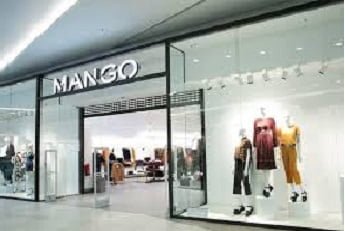
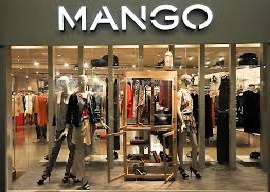
Marketing Mix of Mango describes 4Ps Product, Place, Price, and Promotion. Punto Fa, S. L is widely known by its trade name Mango. It is related to the lifestyle and retail industries as they deal with apparel and accessories. The business was founded in 1984 by its co-founders and brothers Nahman Andic and Isak Andic and is of Spanish origin. Mango is an emerging, fast-fashion brand known for its elegant apparel. It is facing competition from below-

  • Zara
  • Bershka
  • Cos
  • Supreme
  • French Connection
  • New Look

Let’s discuss the Marketing Mix of Mango

marketing mix of mango

Product in the Marketing Mix of Mango

Mango is a company that designs and manufactures products for children, women, babies, and men. It has a unique line of products that appeals to fashion-conscious people looking for something new and latest. Its portfolio of brands includes

Women

  • Skirts
  • Shorts
  • Swimsuits and Bikinis
  • Pants
  • Jeans
  • Jackets
  • Coats
  • Sweaters and Cardigans
  • Sweatshirts
  • Shirts
  • Tops and T-Shirts
  • Dresses
  • Jumpsuits
  • Sunglasses
  • Belts
  • Jewelry
  • Scarves
  • Cases and Wallets
  • Shoes
  • Bags

Girls

  • Bags
  • Jewelry
  • Belts
  • Swimwear
  • Shoes
  • Pajamas and Underwear
  • Shorts
  • Skirts and Shirts
  • Coats and Jackets
  • Jeans and Pants
  • Sweaters and Cardigans
  • Sweatshirts
  • Jumpsuits
  • T-Shirts
  • Dresses

Men

  • Ties
  • Sunglasses
  • Wallets
  • Belts
  • Bags
  • Underwear
  • Footwear
  • Bermudas
  • Swimwear
  • Pants
  • Jeans
  • Leather
  • Coats
  • Suits
  • Jackets
  • Polo Shirts
  • Sweaters and Cardigans
  • Sweatshirts
  • Blazers
  • T-shirts and Shirts

Boys

  • Shoes
  • Scarves
  • Pajamas and Underwear
  • Swimwear
  • Jeans and Pants
  • Bermudas
  • Coats and Jackets
  • Sweaters and Cardigans
  • Sweatshirts
  • Polo Shirts
  • T-Shirts and Shirts
  • Sweatshirts

Place in the Marketing Mix of Mango

Mango is a global brand with a presence around the world. It began its journey from Barcelona to Spain and has spread its presence over time to Africa, Europe, Asia-Pacific, and the Americas to include countries such as Chile, Turkey, Morocco, Argentina, Nigeria, Namibia, France, Poland, Germany, Salvador, the United States, Hungary, Greece, Georgia, Romania, Canada, Sri Lanka, Armenia, Pakistan, Istanbul, and Spain. It has its headquarters in Barcelona, Spain, located at Palau Solita I Piegamans. In 2001, through its store in Delhi, the business entered the Indian market and has expanded to many outlets including a store in Mumbai metro city.

Mango has a solid and widespread channel of distribution. It operates on the global arena across a network of nearly two thousand and two hundred stores distributed overestimated to one hundred and ten countries. The mark is available in corporate outlets and concession stores. Mango has implemented a franchise scheme, and it operates its stores under a license that is responsible for its upkeep. Stores are equipped with advanced technology to make the shopping experience seamless and offer impeccable services.

Mango recognized the value of online marketing and launched its website in 1995 and the first online e-store was opened by the year 2000. The fashion-dealing e-tailor Myntra has bagged Mango’s management and distribution rights in India. The agreement notes that Myntra will facilitate the opening and management of twenty-five fashion brand stores for Mango.

marketing mix of mango - 1

The brand will be featured exclusively on Jabong and Myntra platforms for the next five years. Myntra would, in fact, be responsible for Mango’s omnichannel presence which includes eight offline stores and its online store Mango.com. New stores will be added by sub-franchising and will be situated at strategic locations across India.

Price in the Marketing Mix of Mango

Mango had estimated its revenues and net income at 2,327 billion Euros and 170 million Euros respectively at the end of the financial year 2015. As its potential buyers, it has targeted fashion-conscious females and males from the middle-age group belonging to the upper and upper-middle tier of urban cities. Mango has positioned itself as a complete and unique lifestyle brand offering trendy and state-of-the-art apparel.

Mango offers products of both high quality and medium quality but its product prices are a little higher compared to rival brands. The business has positioned itself as a mid-range brand and has implemented a mid-premium pricing model for its consumers who are prepared to drop some extra bucks for quality apparel. Since their consumers belong to metropolitan areas, their quality appears inexpensive and fair relative to the market value.

Promotion in the Marketing Mix of Mango

Mango has implemented a strong and respected marketing strategy to build a meaningful consumer-market perception of the brand. To its advantage, it uses platforms for print, digital, electronic, and social media. Via television, fashion magazines, and online channels like YouTube, Twitter,  Facebook, and Instagram, smart and trendy marketing campaigns have been launched to keep brand awareness alive in both offline and online markets.

The twitter handle contains numerous updates on luxury limited edition set, its Facebook page shows photos from recent promotions and plays its playlist, and Instagram integrates motivational quotes and content related to Mango. Within a few seconds of browsing the official website, a box pops up asking for permission to connect to your email address and receive notifications providing direct contact with the customer.

Mango recognizes the importance of infamous celebrities campaigning. This had roped as Mango ‘s face in football star Zinedine Zidane. Kate Moss was signed for Mango as a muse in the year 2011 and appeared in a commercial video. She was replaced by the Australian model Miranda Kerr. The company taglines are What Should I Wear for Young People, Urban Women, and Fashion.

New ad campaign Karlie Kloss Metallic, which has taken the marketing world by storm, was released in 2016. It was respected by all and helped the company create a positive company vibe in markets. Google plus has been supported by the company to launch Mango Dedicated Playlist to reach the younger generation.

The recent ad campaigns included a variety of individuals from an elderly statesman to a young bachelor, emphasizing each generation’s product range. The company adopted a marketing promotion policy and distributed e-gift cards to generate further sales.

If you Like this Article Please Hit the Like Button and Follow Us on our Facebook Page: PROJECTS4MBA

Marketing Mix of Mango [Step by Step Guide] Read More »

Marketing Mix of Clinic Plus – Clinic Plus Marketing Mix

Marketing Mix of Clinic Plus focuses on 4Ps Product, Place, Price, and Promotion. Clinic Plus is a wholly owned product of Hindustan Unilever Limited. It is affiliated with the FMCG industry and deals with the brand of personal care. Clinic Plus is one of India’s largest selling brands and has a wide market share. It was launched in 1971 in Indian markets and has created a niche position for itself since then.

marketing mix of clinic plus

The company faces extreme competition from the following competing brands in the haircare market-

  • Sunsilk
  • Chic Shampoo
  • Dove Shampoo
  • Himalaya
  • Garnier
  • Pantene

Let’s discuss the Marketing Mix of Clinic Plus

Product in the Marketing Mix of Clinic Plus

Clinic Plus is a personal care brand that provides some important hair care benefits to its users, such as strengthening poor hair, softening rough hair, preventing hair fall, and serving as an anti-dandruff shampoo.
In addition to shampoo, the company introduced hair oil and conditioner to give its customers a full hair-care kit. It comes in 80 ml, 175 ml, 650 ml, 340 ml bottles, and 6 ml, 5.5 ml, and 6.5 ml sachets. Clinic Plus includes products such as :

  • Clinic Plus Strong and Long Naturals Shampoo – Naturally made from herbal ingredients and milk protein formulation engineered to function seamlessly from the tip to the hair roots. The brand guarantees fewer hair drops, as its shampoo provides nourishment to improve the hair.
  • Clinic Plus Strong and Long Anti-dandruff Shampoo – the shampoo is loaded with anti-dandruff ingredients and milk protein formula to prevent dandruff. The shampoo ensures less hair loss, dandruff reduction, and nourishing hair from tip to roots.
  • Clinic Plus Strong and Long Health Shampoo – The formula of milk protein guarantees less hair loss by feeding hair from the tip to the roots.
  • Clinic Plus Shampoo Ayurveda Care Triphala – It includes authentic Ayurvedic ingredients such as Haritaki, Bibhitaki, and Amla, known together as Triphala. The shampoo prevents hair loss and strengthens hair, and must be used on alternating days for better results.
  • Clinic Plus Cream Conditioner – Soft and Silky – Leaves the hair a little warm, rough, and lifeless using the only shampoo. Deep nourishment is given by almond oil and milk protein formula in the conditioner.
  • Clinic Plus Daily Hair Oil – Massage the hair oil from the roots to the tips on the scalp for nutrition and reinforcement, as it contains coconut oil and minerals that are best suited for hair care.
  • Clinic Plus Almond Gold hair Oil-It is ideal for all hairstyles and combined with vitamin E makes hair much stronger and beautiful.

marketing mix of clinic plus - 1

Place in the Marketing Mix of Clinic Plus

Clinic Plus has a presence in Pan-India and is available in both rural and urban areas of India. The company has extended its drug presence in 69 countries such as the UK, Sri Lanka, Indonesia, Vietnam, the Philippines, and Pakistan. Clinic Plus has the strongest presence in the Middle East, Latin America, and Asia and has become the number one haircare brand in places like Bolivia, Argentina, Thailand, and Brazil.
Clinic Plus has a strong policy of distribution since it wanted to capture every nook and corner of a place. It took support from its parent company to effectively sell its goods in the consumer market. Clinic Plus’ owner company Hindustan Unilever has a wide system of distribution that includes more than two million direct outlets.
The firm has thousands of stockholders working exclusively for it. Warehouses were built at strategic and convenient locations. The stockists order the carrying and forwarding agents, who are responsible for shipping the products to retailers from warehouses.
Clinic Plus products can easily be found in grocery stores, corner shops, Kirana stores, hypermarkets, convenience stores, supermarkets, and shopping centers. There are also many e-shopping sites that can order the items online.

Price in the Marketing Mix of Clinic Plus

Clinic Plus has targeted families as its target consumers and has established itself as a brand that provides strong hair-care ingredients. The business is a billion-dollar brand, and it has been able to maintain its position on the market effectively by keeping its product prices competitive and accessible.
Clinic Plus has been interested in penetrating rural markets and has therefore adopted a policy of penetration pricing and launched minimum price sachets to tap the consumer base.
The haircare sector is very competitive with many companies operating back to back to the bottom in order to maximize their customer market share. Clinic Plus is facing competition from multiple rival brands and has adopted competitive pricing. It has kept product prices equal to those set by competitors in order to maintain its consumer loyalty. The company has also adopted a policy of promotional pricing and offers various incentives and discounts to increase its sales figures. It has led to bulk sales and increased revenues.

Promotion in the Marketing Mix of Clinic Plus

Clinic Plus believes good and aggressive advertising will increase its presence on the brand. It has created some very good ads that have been launched through magazines, newspapers,  radio, television networks, leaflets, billboards,  hoardings, and vehicle backs in electronic, digital, and print media.

The brand has embraced a marketing promotional strategy and offers several incentives to increase its customer base. To raise its brand recognition, it gives coupons and discounts during the festive season and off-season. The company shares products, hair-care, and product ingredients information through its web site.
The packaging is an important part of a product and the company provides detailed and complete information on the ingredients and other vital information on the product packages in at least three languages. Under Below The Line marketing, Clinic Plus encourages customers to participate at large gatherings in their events to increase brand visibility. Free samples are distributed at such events so that the customers become more conscious of the brand.
Clinic Plus recognizes the power of celebrity campaigns and has taken part in their promotions infamous personalities. In its ad campaigns, India Television star Sakshi Tanwar, Shweta Tiwari, and Aashika Bhatia have worked together. It offers one lakh rupee scholarships and a person has to fill in the promo pack and send it to the company which announces the winner’s list later.


If you Like this Article Please Hit the Like Button and Follow Us on our Facebook Page: PROJECTS4MBA

Marketing Mix of Clinic Plus – Clinic Plus Marketing Mix Read More »

Marketing mix of Vans Retail – Vans Marketing Mix

Marketing mix of Vans Retail – Vans Marketing Mix focuses on 4Ps Product, Place, Price, and Promotion. Vans is a subsidiary of VF Corporation, its parent company. It was founded by co-founders Asiah Brewster, Serge D’Elia, Paul Van Doren, Gordon C Lee, and James Van Doren in the year 1966. Vans is an American company that is involved in the lifestyle and retail industries as it deals with apparel and accessories. As a trustworthy and prestigious brand, it has created a niche position for itself in the sporting community. The brand is facing competition from below.

marketing mix of vans

Lets discuss Marketing Mix of Vans Retail:

Product in the Marketing Mix of Vans Retail

Vans is a manufacturing corporation dedicated to the design and manufacture of skateboarding boots and related clothing. Since its inception, it has aligned with skating and produced footwear with the best grip, thickest sole, and resilient stitching, making it an all-time skater favorite. Later it intertwined with other sports such as snowboarding and surfing to increase its portfolio of products. The firm sells articles for men, women, and children.

Footwear is available in white, red, blue, black, checkerboard, and original classic colors, and in various sizes to suit individual needs.

In patterns such as animal, floral, color-block, checkerboard, and solid, the company uses materials such as synthetic, suede, vegan-friendly, canvas, leather, and textile. Vans collaborated with Metallica, a tribe named Quest, Kyle Walker, Spitfire, Gilbert Crockett, and Chima Ferguson, for shoes.

Apparels are available in various sizes and colors such as blue, grey, pink, white, and black. The brand’s fabrics include spandex, nylon, viscose, elastane, polyester, and cotton with patterns including stripes, floral, strong, and checkerboard. The company collaborated for women’s apparel with Lazy Oaf, and for men’s Spitfire and Chima Ferguson. For boys and girls, items are available for ages from 0-3 years to 4-12 years. Vans has a diversified product portfolio for its customers, with several options. This includes

Men

  • Apparel- Shorts, Board-shorts, jackets, denim and trousers, sweaters, hoodies, t-shirts, tanks, shirts
  • Footwear- Lightweight shoes, laces, skate shoes, surf shoes,  slip-on shoes, low-top shoes, and mid and hi-top shoes.
  • Accessories- Belts, laces, key-chains, socks, wallets, sunglasses, hats, beanies, and backpacks

Women

  • Accessories- Key-chains, laces, wallets, sunglasses, socks, beanies, backpacks, hats, and bags
  • Apparel- Dresses, Bottoms, shirts, jackets, sweaters, and hoodies, tops, and t-shirts.
  • Footwear- Lightweight shoes, laces, skate shoes, surf shoes,  slip-on shoes, low-top shoes, and mid & hi-top shoes

Kids

  • Toddler Mermaid Shoes
  • Kids Slip-on Bunny Shoes
  • Kids old Skool Shoes
  • Kids Slip-On Classic Shoes
  • Kids Authentic Shoes
  • Kids Classic Checkered Slip-on Shoes

Place in the Marketing Mix of Vans Retail

Vans is a multinational company whose reach has grown to many nations. It operates in California through its headquarters at the Costa Messa. The company started its journey from its first store in Anaheim, California, and sold its footwear to the customers directly.

Since then it has opened three hundred and fifty chain stores through a hundred and fifty partnership deals in Asia, Europe, and North America. China is its key gateway in the international market, with many departmental in-store outlets in locations such as Shanghai and Beijing. Shanghai also has an exclusive Outlet for Buses. The brand has a retail outlet on London’s Carnaby Street which acts as its European flagship store.

The company has a strong distribution channel that allows its products to easily reach customers. It has its own distributors, and its items are also sold through skate and surf specialty shops. Its official website is also one of its biggest outlets, as it has helped to expand business through e-commerce.

Price in the Marketing Mix of Vans Retail

Vans being an established brand, as its prospective customers, have targeted upper and upper-middle-class people from urban cities. The company has positioned itself as a premium quality brand that offers the best products possible to satisfy its customers.

People wearing this brand would immediately be associated with a cool and happening image from the snowboarding, surfing, and skating world. Vans is equal to the culture of youth and has become a synonym for trendy and fashionable products. It is one of its parent company’s most popular and profitable brands with ever-growing sales figures due to a surge in both domestic and international markets.

Vans has adopted a reasonable pricing policy to maintain its high sales figures which keep its product prices affordable and help the customers make an easy purchase. Its key customer market is either from the sporting arena or from young people and hence it retains its mid-level pricing policy. The company believes in selling in larger quantities to make profits. This strategy has proven to be successful as it has earned great revenue in both domestic and international markets.

Promotion in the Marketing mix of Vans Retail

In the international arena, Vans has a good brand identity and the company participates in many events and provides numerous sponsorship packages in order to retain it. It primarily sponsors motocross, BMX, snowboarding, and surf based teams. Since 1996, it has been the primary sponsor of the annual Warped Tour Vans moving rock festival.

Vans is the official sponsor of the 2014 Duct Tape Invitational and US Surfing Open at Huntington Beach, California. The company opened a skate park at Orange in 1998 and replaced it with other facilities later in the year 2009. It later designed others at California’s Huntington Beach, and London’s The Old Vic Tunnels. Vans has linked its brand to youth sports and is working with its promotional policies towards creating a deep-rooted and secure position on the consumer market. To maintain its unique position it has partnered and sponsored creative artists and musicians.  company is very actively promoting its products on Social Media Platforms like Facebook, Instagram, etc. The company is also doing a Google Adwords campaign for promoting its business.

The company is a fan of social and digital media and has translated through content marketing seamlessly into such realms. Its Facebook profile and Instagram account have more than 15.3 million likes and 3.8 million views. Content about goods and culture of sport is communicated through its own website and other platforms of social media. Photos and videos are posted from charities, festivals, surfers, and skaters to create strong brand recognition.

If you Like this Article Please Hit the Like Button and Follow Us on our Facebook Page: PROJECTS4MBA

Marketing mix of Vans Retail – Vans Marketing Mix Read More »

Marketing mix of Wendy’s Company [Step by Step Guide]

Marketing Mix of Wendy’s Company focuses on 4Ps Product, Place, Price, and Promotion.

Wendy’s Company is an American publicly listed limited company. The company was founded in 1884, and has been known by various names over the years.

marketing mix of wendy's - 1

In the year 2011 it settled on its current name Wendy’s Company. The retail chain is linked with the food and beverage industry, as it is a fast-food eating joint. Wendy’s company faces competition from the brands below

  • Burger King
  • Subway
  • KFC
  • McDonald’s

Let us discuss the Marketing Mix of Wendy’s :

Product in the Marketing Mix of Wendy’s

Wendy’s Company offers all its product items with fresh ingredients as it pays special attention to quality. The brand goes through a rigid inspection process in order to maintain high standards of food quality and safety.

marketing mix of wendy's

Wendy’s Company offers a varied menu to cater to its consumers’ diverse preferences, which includes:

Fries and Sides

  • Chili
  • Plain Potato
  • Baconator Fries
  • Sour Cream & Chive Baked Potato
  • French Fries
  • Chili Cheese Fries
  • Apple Bites
  • Chilli Cheese Baked Potato
  • Caesar Side Salad
  • Garden Side Salad
  • Bacon Cheese Potato
  • Cheese Baked Potato

Fresh Made Salads

  • Spicy Chicken Caesar
  • Berry Burst Chicken Salad
  • Caesar Side Salad
  • Taco Salad
  • Apple Pecan Chicken Salad
  • Garden Side Salad
  • Southwest Avocado Chicken Salad

Chicken, Wraps & More

  • Southwest Avocado Chicken Sandwich
  • Spicy Chicken Sandwich
  • Grilled Asiago Club
  • Spicy Asiago Club, Homestyle Chicken Sandwich
  • Homestyle Asiago Club
  • Crispy Chicken Sandwich
  • 4 piece Chicken Tenders
  • 4 Piece Crispy Chicken Nuggets
  • 10 Piece Crispy Chicken Nuggets
  • 6 Piece Crispy Chicken Nuggets
  • Crispy Chicken BLT
  • 3 Piece Chicken Tenders
  • Spicy Chicken Wrap
  • Grilled Chicken Sandwich
  • Crispy Chicken Sandwich
  • Crispy Chicken BLT.
  • Grilled Chicken Wrap

Cheeseburgers or Hamburgers

  • Baconator
  • Dave’s Single
  • Dave’s Double
  • Dave’s Triple
  • Cheeseburger
  • Son of Baconator
  • Cheeseburger Deluxe
  • Double Stock.
  • Bacon Cheeseburger

Frosty drinks

  • Chocolate Frosty
  • Vanilla Frosty

Beverages

  • Raspberry Lemonade
  • Strawberry Lemonade
  • All-Natural Lemonade
  • Berry Cherry Fruit Tea
  • Strawberry Watermelon Fruit Tea
  • Honest Tropical Green Tea

Kids Meal

  • Kid’s 4 PC Nuggets
  • Kid’s Cheeseburger
  • Kid’s Chicken Wrap
  • Kid’s Hamburger

Place in the Marketing Mix of Wendy’s

Wendy’s Business is an internationally known brand with its US headquarters in Dublin. It has extended its existence in nearly six thousand five hundred and thirty-seven places from which 5739 are established in its home country, the United States, and the rest 798 is located on the international market.

Wendy’s Business has a clear and efficient supply chain system to help it deal better. The firm believes in the franchise system and has developed an experienced and next-generation franchisees.

The outlets project a vibrant and bold picture that directly interacts with its customers. Wendy’s Company is located in areas with heavy traffic and heavy visibility that will provide the best ways to draw customers. It is also looking for locations that can provide easy access to the customers in order to ensure a constant flow of customers.

At entertainment centers, office buildings, schools, military bases, highways, colleges, universities, and airports, it has opened its outlets. The organization has an experienced development department that provides franchisees with expertise, knowledge, training, tools, and support in terms of templates, designs, kitchen equipment, and menu selection to maximize their opportunities. Wendy’s Company offers the use of state-of-the-art technology such as mobile payment and mobile ordering, and online ordering and payment via its website to enhance its client base.

As Wendy’s Company is a retail chain, its employees play a significant role in their business transactions. It hires employees who need to attend rigorous training sessions so that they can deliver the best facilities possible.

Price in the Marketing Mix of Wendy’s

Wendy’s Company reported its sales and operating profits are increasing year by year. It has targeted families, youth, and kids as its potential customers looking for delicious quick-food items made from fresh ingredients.

The business has positioned itself as a restaurant that offers delicious, safe, and fresh burgers to fulfill the wishes of customers. Wendy’s Company’s principal source of revenue is from its in-store customers. A distribution network has also been developed to increase its revenue figures.

Wendy’s Company’s outlets are well-decorated with a great atmosphere that mirrors its premium quality. The firm has kept its market-oriented pricing policy which changes in line with current market conditions.

The product prices in a given location are highly dependent on the value of the product. It faces competition from rival brands and generally keeps its product prices in line with competitor prices. Wendy’s company has introduced a pricing approach for the Package and is selling goods in combination format including three pieces at comparatively lower rates under this scheme. The brand was very good at upholding its pricing strategies as it helped to produce higher revenues.

Promotion in the Marketing Mix of Wendy’s

To build a strong brand identity in the consumer market, Wendy’s Company believes in digital marketing and impactful advertisement. To maintain a balanced promotional strategy, it engages in multiple media platforms at both the national and local levels throughout the year. Wendy’s company specializes in marketing online and offline.

It is actively using social media platforms such as Twitter, YouTube, Facebook and its own website to target its potential and loyal clients through videos and songs. It has launched a Hollywire women’s video series: Wendy’s Fresh Trend Showdown that helps garner positive brand reviews. The company has adopted a Midnight push plan as part of its promotional strategy and under it offers food services after midnight to crowds.

Wendy’s company has retained concise taglines such as Consistency is our recipe, now that’s a better and phenomenal success is its mascot. Through its foundation, it takes an active part in community activities.

If you Like this Article Please Hit the Like Button and Follow Us on our Facebook Page: PROJECTS4MBA


Marketing mix of Wendy’s Company [Step by Step Guide] Read More »

Management by Exception (MBE)

Management by Exception (MBE) is a method in which management is informed only of major exceptions from a budget or plan. The principle behind this is that management should only concentrate on those areas which require intervention. Managers should hone on that specific problem when informed of variation, and let workers manage everything else. When nothing happens, then it can be concluded that everything goes according to plan. This layout parallels vital sign surveillance systems in critical patient care units. If one of the vital signs of the patient goes beyond the computer-controlled range, an alarm sounds, and the rescue team is running. If the system is quiet, it is assumed that the patient is well and that they only provide regular treatment for the workers.

Management by Exception (MBE) is a business management style that focuses on identifying and handling cases that deviate from the norm, as recommended by the project management method.

management by exception

Management by Exception (MBE) has business development and business intelligence program. General business exceptions are cases that deviate from normal business process behavior and need to be treated in a unique manner, typically by human intervention. Process variance, network or communication problems, external deviation, low-quality business rules, malformed data, etc. Management by Exception (MBE) is the task of investigating, managing, and handling these incidents using professional personnel and technological resources. Good management can lead to business process performance. In such cases, the procedure may also be called exemption management, because extreme situations are not the primary subject of administrative policy, and exemption management (because opposed to Management by Exception (MBE)) signifies a more liberal process operation.

Management by Exception (MBE), when applied to companies, is a management style that gives workers the freedom to make decisions and do their own work or projects. It involves focusing on and analyzing statistically relevant data anomalies. If an unusual situation or deviation appears in the recorded data that could cause business problems and can not be managed at the employee’s level, the employee should pass the decision to the next higher level. For example, if all goods sell at their estimated quarter levels, except one specific product that is underperforming or overperforming at a statistically significant margin, only data for that product would be provided to managers for further analysis and root cause discovery. Management by Exception (MBE) can lead to business mistakes and oversights, improved unsuccessful approaches, shifts in competition, and market opportunities. Management by Exception (MBE) aims to reduce the managerial load and allow managers to spend their time more effectively in areas where it will have the most impact. This managerial concept is widely attributed to Frederick W. Taylor and was first addressed in his research, Shop management: A paper published in the American Society of Mechanical Engineers.

MBE often has an IT feature. If the programmer has an unusual situation where a predefined specification rule is broken when writing code, the programmer will have to deal with the exception programmatically from the outset.

Process of Management by Exception (MBE)

The process needs only a few goals: setting targets or expectations, evaluating the success of the chosen goals, examining potential anomalies, and solving exceptions. Let ‘s look at each segment on its own:

Establishing objectives or Guidelines: The process begins with the setting of criteria for the procedures chosen. Imagine running a hamburger shop and you want to keep an eye on items like sales, expenses, and so on. For through function and procedure you will need to set the standard or the goal. The norm is something that can be easily quantifiable and achievable. For example, it could be the general quantity of burgers you sell every month. That will be the amount you need to sell to reach the expenditure and expand at a steady pace. So, you ‘d set the standard that could be sold at 15,000 burgers in this case. When you set targets and standards, you want to concentrate on predictable and expected outcomes. You shouldn’t just pick from thin air a number or any other standard. You can’t say “I’m going to set the bar at 20,000,” if you can only sell around 10,000 realistically. It won’t be easy to find the right norms and goals and you should spend enough time analyzing data to understand what the management and operations baseline might be. You must detail the exceptions, as well as setting the norms. What is an exception to that? You now have the standards, but what difference will cause you to further examine it? Initially, you might say, “Surely any exception is worth looking into.” But as explained above that is not the case. As a manager, you wouldn’t have time to do anything if you looked at every change in performance. The key is to grasp the variances that need attention. You might notice, for example, that the workers don’t produce as many finished cakes on a hot day. This small incident may cause a monthly shift in sales, but it is probably not growing enough to cause alarm. On the other hand, if the electricity price goes up and the expenses for the whole month go up by 3 percent, you definitely have a situation at hand. The deviations that are worth noting depend on your company and your standards. A variance of less than 0.1 percent of the norm is not a significant change as a general clue for financial exceptions. You need to use mathematical formulae, such as statistical control charts and study your business metrics carefully to find the right deviations.

Determining the performance and contrasting it with the standard: once you have set the criteria, you can start using Management by Exception (MBE). The most critical aspect of the process is reviewing the appropriate data sets and determining if the actual performance is in line with the standards.

Deviation Analysis: There are two potential outcomes to equate the output data to the norms. Either you:

Find no significant deviation, so don’t take any action in that case. You don’t need to react to the small changes as described above.

Find a major deviation, in which case you take the step below to notify the correct level of management about the problem. This might be the manager right above you or a manager at a high level. If you’re a boss, depending on the process, you need to either answer the deviation or report it higher up in the chain.

Deviations should not always be recognized as they indicate and corrective steps should only be taken if the reasons behind the exceptions are clear to you. Two things to remember. First, there may have been a human error behind the issue, or some anomaly changed the results. This can indicate that the anomaly is actually not as acute as it may seem. The second thing to bear in mind is that anomalies need not always be rectified. In certain cases, the variation can arise due to changes in a specific procedure. So, never get the problem solved by exploring the root causes behind the deviation.

Solving the exception: Otherwise, coping with the anomaly and reacting appropriately is a matter for the responsible management. Comprehend what lies behind the deviation before you solve it, as I just said. Has the selling of hamburgers fallen only because one day there was a human error in getting into the sales? Has the burger demand decreased when unexpectedly the chicken nuggets went up? As a planner, the root causes of the problems need to be understood before you can fix them. Mind that you may need to change the standards in some instances. For instance, if you have a new product in your product line, the expenses would have to go up, etc. So not only enforce the formulas Management by Exception (MBE) but check them constantly.

Principles of Management by Exception (MBE)

The Management by Exception Principles (MBE) influence the following points:-

  • Follow the Organization ‘s Policy: This concept states that the organization’s Top Levels of Management effectively decide the organization’s Goals & Policies and all management levels will accomplish these as per the instructions and expectations.
  • Systematic Approach: This theory offers a systematic approach that states that all organizations need to evaluate facts and evidence, establish standards, compile, identify, draft and interpret reports, and make decisions in compliance with the criteria of the specified goals to achieve the alleged objectives.
  • Self Control: According to this principle, in taking decisions according to the requirement, full freedom is given to different levels of management. This effect seeks to fix as many issues at their respective stages as possible. This frees & helps the top management to involve themselves in formulating policies & guidelines.
  • Awareness of Exceptions: According to the theory, Top Management Levels should be able to consider and assess exceptional issues and events and should be ready to provide an immediate and friendly solution.
  • Differentiate Between Routine & Exceptional Activities: Top Management Levels should have a clear & thorough understanding of Routine & Exceptional Activities according to this principle. Proper protocols for carrying out these tasks should be followed with the aid of the managers & management staff concerned. It means that Top Levels of Management should take care of Exceptional Activities while middle or lower levels of management and subordinates take care of Normal Activities.
  • Delegation of Authority: This is an essential principle which states that managers & subordinates should have the powers and authorities needed to effectively perform the necessary functions and duties.
  • Hard Work & Discipline: This concept allows all levels of management, subordinates, and workers to conduct hard labor in an organization in a controlled manner.
  • Invite Co-partnership: This concept states that the organization’s workers must be encouraged to engage in different events. Management Top Levels should provide co-partnership for better achievement of targets or objectives.
  • Continuous Supervision: Another significant concept for subordinates & junior workers is Continuous Supervision for improved efficiency and comprehension of directions.
  • Develops subordinates: Subordinates should be given enough opportunities and facilities for development according to this principle. When proper training and other activities are arranged, the employees get motivated and look for better job performance and rewards. Their personal interest and heartfelt commitment produce positive results for the achievement of organizational objectives.

Management by Exception (MBE) using Variance Analysis

The accounting department is responsible for budget planning and reporting on cost-performance. The difference between the projected figures and the actual is known as a variance. To understand the cause of the discrepancy, managers need to explore the questions as to how the variation varies from the last time, and what are the causes of failure to meet expected numbers. Two types of variances are considered by analysts: adverse variance and favorable variance Adverse variance “exists when the disparity between the budgeted and the actual amount results in a benefit that is lower than expected” Favorable variance “exists when the discrepancy between the amount budgeted and the actual amount results in a profit higher than expected” Instead of considering all the variances, managers set criteria to determine which variances to focus on is significant. Management by Exception (MBE) focuses mainly on broad negative variances in identifying the market areas that deviate negatively from established expectations.

Active Management by Expectation (MBE) v/s Passive Management by Expectation (MBE)

When evaluating Management by Exception (MBE) and attempting to decide where an ability set exists or what style it fits, it is important to note that this type of leadership requires two distinct pathways.

Two, positive Management by Exception (MBE), where the leader is involved in assisting with problems and participates regularly and monitors subordinates to prevent errors. Two, Outstanding Passive Control (MBE). The manager only intervenes in this process when expectations are not being met and action needs to be taken, usually after anything has happened rather than along the way.

Any method has meaning but is not determinable until you understand the climate. In a relaxed atmosphere in Laissez-faire, where individuals recognize their roles and are SMEs respectively, then adopting a more cooperative approach, group cohesion and sense of freedom can be promoted. In a more rigorous, less direct setting with people starting only in the role or not completely knowing tasks, taking a more active position will most likely prove to be the more advantageous option, as step-by-step instruction will boost competency, as well as trust.

Management by Exception (MBE) Advantages and Inconveniences

Advantages

This method has many legitimate explanations for its use. They are as follows:

  • It reduces the amount of financial and operational results required to be reviewed by management, which is a more efficient use of their time.
  • The report writer linked to the accounting system can be configured to automatically print reports at specified intervals containing the defined rates of exceptions which is a minimally intrusive reporting method.
  • This method encourages employees to pursue their own strategies to achieve results specified in the budget of the business. Only if conditions of exception exist will management step in?
  • As part of their annual audit activities, auditors from the company will make inquiries about significant anomalies, and management can examine these concerns in advance of the audit.

Disadvantages

The Management by Exception (MBE) concept has several problems which are:

  • This definition is based on the presence of a budget that compares real results. If the budget has not been well formulated, a large number of variances may occur, many of which are irrelevant, and will waste the time of anyone investigating them.
  • The definition involves the use of financial analysts planning summaries of variation and presenting the knowledge to management. Therefore it needs an additional layer of organizational overhead to make the idea work properly. In addition, an inept analyst will not understand a potentially significant problem and may not bring it to management’s attention.
  • This idea is based on the command-and-control structure, where situations are controlled and a central group of senior managers takes decisions. Instead, you could have a decentralized organizational structure, where local administrators could track conditions on a regular basis, and so no exception reporting system would be needed.
  • The definition assumes that managers are capable of fixing variances. There would be little need for Management by Exception (MBE) if a business were instead structured so that front line employees could deal with most variances as soon as they arise.

If you want to read article on Management by Objectives – Click Here

If you Like this Article Please Hit the Like Button and Follow Us on our Facebook Page: PROJECTS4MBA


Management by Exception (MBE) Read More »

Management by Objectives (MBO) – Definition, Need and its Limitations

This article covers whole Management by Objectives (MBO). This can be helpful for students and professionals.

Successful management goes a long way towards extracting the best from workers and making them work as one team towards a common objective.

What is Management By Objectives (MBO)? Or Definition of MBO

The organization’s method of establishing objectives to give workers a sense of direction is termed as Management By Objectives (MBO)

It refers to the process of setting targets for workers to learn what to do in the workplace.

Management By Objectives (MBO) describes duties and obligations for workers and helps them form their future course of action in the company.

Management By Objectives (MBO) directs workers to reach their highest level and goals within the stipulated timeline.

Management By Objectives (MBO) (MBO) is a strategic management paradigm that seeks to enhance an organization’s efficiency by explicitly identifying priorities decided by management and employees. According to the philosophy, getting a voice in goal-setting and action plans promotes employee engagement and dedication, as well as aligning priorities around the company.

The term had first been illustrated by Peter Drucker through his 1954 book, The Practice of Management While MBO’s basic ideas were not original to Drucker, they pulled from other management practices to create a complete “system. The concept is based on the many ideas expressed in Mary Parker Follett’s 1926 essay,” The Giving of Orders.

After the concept and idea were discussed by Drucker’s student and George Odiorne, he continued to grow the idea in his Goals Management Decisions book, published in the mid-1960s. MBO was popularized by companies such as Hewlett-Packard, who believed it contributed to their success.

Conception and process

Management By Objectives (MBO) at its core is the process of employers/supervisors trying to manage their subordinates by introducing a set of specific goals that both the employee and the company strive to achieve in the near future, and working towards those goals accordingly.

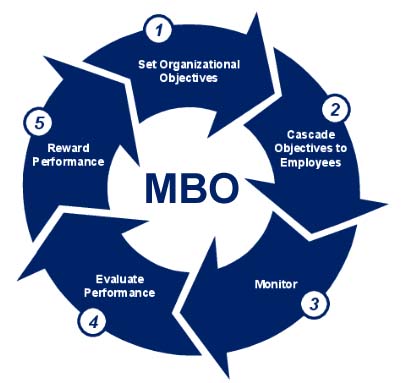
Five stages:

  1. Review the organization’s Goals
  2. Set Worker Objectives
  3. Monitoring progress
  4. Evaluation
  5. Give reward

Management By Objectives (MBO) is the development of a management information system to measure actual growth and performance with established objectives. Practitioners believe that MBO’s main benefits are increasing employee morale and engagement and facilitating improved contact between management and employees. However, MBO’s cited weakness is that it unduly emphasizes setting goals to achieve goals rather than working on a systematic plan to do so.

Peter Drucker ‘s book, which coined the term, set out several principles. Objectives are set with employees’ support and are intended to be demanding but achievable. Employees receive daily feedback, focusing more on rewards than punishment. Personal growth and progress are emphasized, not blame, for failure to achieve goals.

Drucker claimed MBO was not a cure-all, just a tool to use. It gives organizations a method, with many practitioners believing MBO’s success depends on top-management support, clearly defined priorities, and qualified managers who can execute it.


Need for Management By Objectives (MBO)

The Management By Objectives (MBO) approach helps workers understand their job duties.

KRAs are planned according to each employee’s interest, specialization, and educational qualification.

Employees are clear about what is expected.

The Priority process leads to happier workers. It later prevents job mismatch and needless confusion.

Employees in their own way contribute to the organization’s goals and objectives. Every employee has his own workplace position. All feels important to the organization and gradually develops a commitment to the organization. They prefer to stick to the company longer and contribute effectively. They enjoy at work, not seeing work as a burden.

Management By Objectives (MBO) ensures efficient communication among employees. It creates a healthy workplace environment.

Management By Objectives (MBO) contributes to well-defined organizational hierarchies. It ensures all-level transparency. Any organization’s boss will never communicate directly with the managing director for queries. He would meet his reporting boss first, then pass the message to his senior, and so on. Everyone ‘s clear about the organization’s position.

The MBO process leads to highly motivated employees.

Every employee’s MBO process sets a benchmark. Superiors set goals for each team member. Each employee has a list of specific tasks.

Shortcomings of Management By Objectives (MBO)

It sometimes ignores the organization’s prevailing culture and working conditions.

More emphasis is placed on targets and objectives. It only wants the workers to accomplish their goals and fulfill the organization’s objectives without worrying much about the on-the-job circumstances. Employees are expected to work and follow deadlines. MBO method often views people as pure machines.

MBO process increases workplace comparisons between individuals. Employees tend to rely on nasty politics and other unproductive tasks to outshine fellow workers. Employees do only what their superiors ask. They lack innovation, creativity, and sometimes become monotonous.

Five Steps Organizations use to implement MBO

Management By Objectives (MBO) outlines five steps organizations should use to implement management techniques.

  1. The first step is to either determine or revise the entire company’s organizational goals. This broad overview will stem from the company’s mission and vision.
  2. The second step is to translate the employees ‘ organizational objectives. Drucker used the acronym SMART (specific, measurable, appropriate, realistic, time-bound).
  3. Step three stimulates employee participation in individual goals. After sharing the organization’s goals with workers from top to bottom, workers will be empowered to help set their own objectives to accomplish these broader organizational goals. It gives workers more incentive as they are motivated.
  4. Phase four includes tracking employee development. In step two, a key component of the goals was that they are measurable to determine how well employees and managers are met.
  5. The fifth step is evaluating and rewarding employee progress. This move requires truthful feedback on what every employee accomplished and not accomplished.

Management by Objectives

There are endless ways of approaching Management By Objectives (MBO). Simply identify common objectives in an organization or corporation. Most notable companies used MBO. Computer company Hewlett-Packard (HP) management has said it considers the policy a huge component of its success. Many other organizations praise MBO ‘s efficacy, including  DuPont, Xerox, Intel, and numerous others. Businesses using MBO also record higher revenue and profitability within the company. Objectives may be set in all business areas such as development, marketing, services, distribution, R&D, human resources, finance, and information technology. Some goals are collective, others may be targets for every worker. Both make the task at hand seem achievable, allowing workers to see what needs to be done and how.

In the Management by Objectives (MBO) paradigm, managers determine the company’s mission and strategic goals. The goals set by top-level managers are based on analyzing what the organization can and should accomplish within a specific timeframe. Such managers ‘roles can be centralized by naming a project manager who can oversee and coordinate the different departments’ activities. If this can not be achieved or is not appropriate, the contributions of each manager to the organizational objective should be explicitly stated.

In several large Japanese firms, Management by Objectives (MBO) was used as the basis of the “performance-based merit scheme”, which used simple numerical goals to calculate performance as opposed to the previous system of non-specific contracts in Japanese companies.

Objectives need to be quantified and monitored. Reliable management information systems are needed to set relevant goals and monitor their “reach ratio” in an objective manner. Pay incentives (bonuses) are often linked to achievement outcomes.

The mnemonic S.M.A.R.T. is associated with the objective-setting process in this paradigm.

  • Broad-Specific area for change.
  • Measurable — Quantify or imply progress measure.
  • Assignable-Specify who will.
  • Realistic-State what outcomes can be obtained, despite available resources.
  • Time-bound — Specify when outcomes can be reached.
  • The aphorism “what is known is finished” aligns with the MBO theory.

MBO or Objective Management is characterized as a comprehensive management system that incorporates several main managerial activities into a structured process and is actively aimed at achieving organizational and individual objectives effectively and efficiently.

The practical importance of management goals can best be seen by summarizing how successful goal-management works in practice.

MBO is a 6 Phase Process

  • Define organizational goals
  • Defines workplace expectations
  • Continuous monitoring and progress
  • Performance evaluation
  • Provide feedback
  • Performance Appraisal

Defining organizational goals

Targets are important concerns for organizational success and serve a variety of objectives. Organizations may also have different types of goals, all of which must be handled accordingly.

And a variety of different types of managers will be involved in setting goals. The goals set by the subordinates are subjective, based on examination and evaluation of what the company can and will achieve within a given timeframe.

Defines Employees Objectives

After making sure that employee managers are told about specific general objectives, plans, and planning premises, the manager will then collaborate with employees in setting their goals.

The manager asks what targets workers think they can accomplish with what time period and money. They’ll then share some tentative thoughts on whether the organization or department ‘s targets seem feasible.

Continuous Monitoring of Performance and Progress

The MBO method is not only necessary for having line managers in business organizations, but also equally vital for tracking employee efficiency and development.

Follow-ups are needed for tracking performance and progress;

Identifying unsuccessful interventions by contrasting results with pre-set targets,

Using zero-budgeting,

Management by Objectives (MBO) concepts for individual and plan measurement,

Preparing long-range targets and plans,

Installing successful tests and

Designing a strong organizational framework with a consistent sense of accountability and decision-making authority.

Performance evaluation

Under this MBO process, the performance review is performed by the managers involved.

Provide Feedback

The filial ingredients in an MBO system are continuous performance feedback and objectives that enable individuals to track and correct their own actions.

This continuous feedback is complemented by frequent formal assessment meetings where supervisors and subordinates will discuss progress towards objectives, leading to more feedback.

Performance Appraisal

Performance Appraisal evaluations are frequent assessments of employee performance within organizations. It’s done at the MBO’s final stage.

Limitations of Management By Objectives (MBO)

MBO’s detractors and attention, notably W. Edwards Deming, who argued that a lack of understanding of systems commonly results in the misapplication of goals. In addition, Deming stated that setting production goals will encourage workers to meet those goals by whatever means necessary, which usually results in poor quality.

Point 7 of Deming’s core principles allows managers to sacrifice objectives in favor of leadership because he felt a leader with a program understanding was more likely to direct workers to a viable solution than an objective reward. Deming also pointed out that Drucker warned managers that a systematic view was needed and thought that MBO practitioners generally ignored Drucker ‘s warning.

The underlying assumptions about management’s effect are restricted by goals:

  • It over-emphasizes setting targets over operating a program as a result engine.
  • It emphasizes the value of setting goals in the world or context.
  • It involves everything from resource availability and efficiency to relative buy-in by leadership and stakeholders. In a 1991 systematic analysis of thirty years of research on the effects of Objective Management, Robert Rodgers and John Hunter concluded, as an indication of management buy-in as a contextual influencer, that companies whose CEOs demonstrated a strong commitment to MBO reported an average productivity gain of 56%. Companies with CEOs showing weak commitment saw just 6 percent productivity benefit.
  • If this approach is not properly set, agreed upon, and managed by organizations, self-centered employees may be prone to distort results, misrepresenting the achievement of short-term, narrow-minded targets. In this case, targeting would be counterproductive.

Recent Study of Management By Objectives (MBO)

Management By Objectives (MBO) is still practiced today, with an emphasis on planning and growth supporting different organizations. The current work focuses on particular sectors, defining the practice of Management by Objectives (MBO) for each. However, following criticism of the original Management by Objectives (MBO) strategy, a new method was implemented in 2016 to revitalize it, called the OPTIMAL MBO, which stands for Management by Objectives (MBO).

Although the practice is used today, different names the follow – the letters “MBO” have lost their formality, and future planning is a more common practice.

If you Like this Article Please Hit the Like Button and Follow Us on our Facebook Page: PROJECTS4MBA

Management by Objectives (MBO) – Definition, Need and its Limitations Read More »

Marketing Mix of Aviva Life Insurance [Step By Step Guide]

Marketing Mix of Aviva Life Insurance focuses on 4Ps Product, Place, Price, and Promotion. Aviva Life Insurance is a very well-known insurance provider, with its headquarters in London, United Kingdom. Established in 2000, Aviva’s CEO is Mr. Mark Wilson. It has around 53 million customer base and has been spread across 28 countries. It has various subsidiaries and joint ventures across countries. It is the world’s fifth-largest insurance firm and UK’s second.

marketing mix of aviva life insurance

Since 2002, it operates in India as a joint venture named Aviva India with the Indian conglomerate Dabur group. The major competitor of Aviva in the UK is Allianz and In India company is in competition with LIC, Bajaj Allianz life insurance, and HDFC Life, Max Life Insurance.

Let’s discuss the Marketing Mix of Aviva Life Insurance :

Product in the Marketing Mix of Aviva Life Insurance

Life insurance policies and health insurance plans are very specific fields in which the following are listed as follows:

Child Insurance Plans

  • Young Scholar Secure
  • Aviva Young Scholar Advantage

Saving Plans

  • Aviva Family New Income Builder
  • Aviva i-Growth
  • Aviva Life Bond Coverage
  • Aviva Dhan Samruddhi
  • Aviva Life Smart
  • Aviva Wealth Builder
  • Aviva Affluence
  • Aviva Dhan Vriddhi Plus
  • Aviva Dhan Nirman

Retirement Plans

  • Aviva Next Innings Pension Plans
  • Aviva Annuity Plus
  • Aviva New Family Income Builder

Term Insurance Plans

  • Aviva i-Life Term Insurance
  • Aviva i-Shield Term Insurance
  • Aviva Life Shield Advantage Plan
  • Aviva Life Shield Platinum Term Insurance
  • Aviva Life Shield Plus Term Insurance

Rural Insurance Plans

  • Aviva Jana Suraksha
  • Aviva Group Term Insurance Plans

Health Insurance Plans

  • Aviva Health Secure
  • Aviva Heart Care

These products are finely tailored to customer needs. Customers will choose insurance based on age, ability to pay a premium, and returns or Retirement benefits. This is Product Mix of Aviva Life Insurance.

Place in the Marketing Mix of Aviva Life Insurance

The distribution network is very critical for an insurance company since direct sales force forms the business base. Other channels for sales are its partnership through various financial planning advisors and private sector banks. Aviva life insurance has more than 121 offices throughout India, with approximately 3,000 staff and a strong network of agents on board.
Over the years, the online channel for selling insurance policies has also become common where you will get an insurance policy with minimal details and trouble-free procedure. Bancassurance is also a very popular way of selling Insurance policies today company has tie-ups with many banks to promote and sell its products.

Price in the Marketing Mix of Aviva Life Insurance

Instead of price, an individual selecting a company before being insured looks at the company’s successfully settled claims. Aviva’s 2014-2015 lawsuit settlement figure is 83.07 percent. Say you need to pay a premium for Rs 480 per month for 1 crore insurance cover, and the same coverage in HDFC regular life is for Rs 535 per month, and Reliance life offers it for 450 per month, but they have lower payout ratios for Aviva.

But in India, Aviva is well behind LIC with a claim settlement ratio of 97.73%. It is a big concern where Aviva’s consumer sales struggle. Small rates don’t draw customers these days. Every insurance company uses value-based pricing and provides extra value in their insurance policies. Claim Settlement Ratio is the most important factor for customers buying a Life Insurance Policy.

Promotion in the Marketing Mix of Aviva Life Insurance

Aviva Indian company has been promoting the Aviva brand through various ads like online, print media, etc. and has managed to get the Sachin Tendulkar brand ambassador since 2007. The company is known to give back to society through various social responsibility programs aimed primarily at education. Aviva primarily advocates using brand ambassadors, but also with some hard-hitting tweets. Aviva’s are quite “to the point” and demonstrates the value of life insurance. cIts major competitors in India are the LIC (India’s Life Insurance Corporation), ICICI Prudential, Max Life Insurance, Bajaj Allianz, HDFC Life. The company is concentrating on Social Media Platforms like Facebook, Twitter, TikTok, etc to attract customers. The company is also using Adsense as its preferred ad network for advertising its products in India. The company is also participating in Trade Fairs. The company is giving good commission to its Insurance Advisors hence they are also promoting its products. Bancassurance is also a very popular way of selling Insurance policies today company has tie-ups with many banks to promote and sell its products.

Conclusion:

This Marketing Mix of Aviva Life Insurance presents the product, price, place, and promotion. It was concluded that Aviva’s life insurance policies are good to cater to the need of customers. Aviva Life Insurance has insurance policies for Children, Retirement Planning, Unit Linked Insurance Plans, and Health Insurance Plans. Promotions in the Marketing Mix of Aviva Life Insurance states that the company is following various methods of promotion like Social Media Marketing, Facebook Marketing, Whatsapp Marketing, Television Advertisements, Radio Advertisements, Advertisements in Newspapers, etc. Place in the Marketing Mix of Aviva Life Insurance states that the company is using every possible sales channel for its products like direct marketing, trade fairs, bancassurance, etc. Price in the Marketing Mix of Aviva Life Insurance states that their premium rates are competitive and provides multiple payment options. One can also pay the premium with the help of their website.

If you Like this Article Please Hit the Like Button and Follow Us on our Facebook Page: PROJECTS4MBA

Marketing Mix of Aviva Life Insurance [Step By Step Guide] Read More »

What is Marketing Mix? 4Ps & 7Ps of the Marketing Mix

What is Marketing Mix?

Definition of Marketing Mix: Marketing Mix is defined as a business model, traditionally based on 4Ps : product, place, price, and promotion. Marketing Mix was described as “a series of tools that are used in marketing by a company to achieve its marketing goals in the target market.” Therefore, the marketing mix applies to four specific types of marketing decisions: product, place, price, and promotion. Marketing strategy has been in effect for centuries, but marketing theory originated in the twentieth century. Marketing Mix expanded version has been used in service marketing, which usually involves 7 Ps, consisting of an initial 4Ps (product, place, price, and promotion) expanded by processes, physical evidence, and people.

Some Service marketers refer to the 8 Ps, which includes 7 Ps plus performance. Marketing Mix is the key component for making decisions about marketing management. In 1960 4 Ps of Marketing Mix was first published.

Marketing Mix attributes products and promotions are considered by the companies to increase the number of customers. Other Aspects like place and price are also considered by the companies.

Marketing Mix

History Or Evolution of Marketing Mix

Prof. James Culliton of Havard University has first mentioned the marketing mix in the late 1940s.

Culliton published an article in 1948 called Marketing Cost Control which focuses on the term ‘mixers of ingredients’ in the context of marketers. A few years later, Prof.  Borden Neil, presented a paper describing the marketing mix and credits himself with popularizing the ‘marketing mix’ term. He has continuously used the phrase, ‘marketing mix’ since the late 1940s, according to Borden’s account.

Till 1960 marketers are unable to achieve any clear view of components to be included in the marketing mix.  4 Ps was suggested by E.Jerome McCarthy in 1960, in its modern form.

This method was popularized by Phillip Kotler he spread the concept 4 Ps. McCarthy’s 4 Ps is widely embraced by researchers of marketing and practitioners alike.

A Paper presented in AMA Conference on Service Marketing in 1980 collectively suggests that service marketers were thinking of revising the general marketing mix based on an assumption that services were fundamentally different from goods and thus needed different tools and strategies.

7Ps was suggested by Booms and Bitner in 1981 suggested a 7 Ps model, consisting of 4Ps expanded by the physical evidence, process, and people.

A range of suggestions have been made in the context of service marketing most of the service marketers have expanded 7Ps by performance as the 8thP in Marketing Mix.

What are the elements of the marketing mix? or Marketing Mix Elements

The marketing mix (4Ps) as suggested by marketer and academician E. Jerome McCarthy, provides the business decision-making process. After then the Marketing Mix suggested by McCarthy’s has become one of marketing’s most enduring and generally recognized systems.

Product:

A product refers to an object which satisfies the needs or wishes of the customer. Things (products) may be tangible or intangible (services, concepts or experiences).

Product

Marketing Decisions based on Products:

  • Product design – features, quality
  • Product range, product lines, and product mix
  • Branding of products
  • labeling  and Packaging
  • Services (after-sales service, complimentary service,  service level)
  • Warranties and Guarantees
  • Returns
  • Analyze Product Life Cycle

Price

Price refers to how much a customer pays for a product. Or price can also apply to how customers are interested in making a sacrifice to buy a commodity (i.e. time and effort). Or Price is the one aspect that has revenue implications. Or Price also requires customer-perceived interest factors.

Price

Marketing Decisions based on Price:

  • Pricing strategy
  • Pricing tactics
  • Setting up prices
  • Allowances – e.g. margin for distributors
  • Price after discount for customers
  • Credit, payment methods and Payment Terms

Place

Place refers to providing priority to consumers. Considers offering customer comfort.

Place

Marketing Decision based on place:

  • Strategies such selective distribution, as intensive distribution, exclusive distribution, and Franchising
  • Market coverage and Reach
  • Channel partner selection and channel partner relationships
  • Decisions related to Locations
  • Inventories
  • Transport, Logistics, and warehousing

Promotion

Promotion corresponds to marketing communications. Promotion involves such elements as advertisement, PR, direct marketing and promotion of sales.

Promotion

Marketing Decision based on Promotions:

  • Promotional mix – an appropriate balance of advertising, sales promotion, direct marketing, and Public Relations
  • Message strategy-what to convey or communicate
  • Which media has to be used to communicate and reach a large number of customers.
  • Frequency of Promotion is the most important marketing decision.

In Short Marketing Mix Includes:

  • Product refers to what is offered for sale by the company, which can include products or services. Product choices include “quality, features, advantages, style, design, branding, labeling, services, warranties, life cycles, investment, and returns.”
  • Price applies to “inventory pricing, sale pricing, special deal pricing, lease or payment terms” decisions. Price indicates the actual cost to the buyer to buy the commodity, which can include both psychological (time and Energy), and physical costs.
  • Place is referred to as direct or indirect sales networks, regional distribution, geographical scope, retail stores, store locations, inventory, catalogs,  order fulfillment, and logistics. Place refers to either the actual place where a company is doing a company or the networks of distribution used to enter customers. A place may apply to a retail store but is primarily referring to virtual stores such as “catalog of mail order, mobile call center, or website.”
  • Promotion refers to “the strategic communication used to make prospective buyers aware of the product and to convince them to further explore it.” Promotional components include “media, public relations, product incentives, and direct marketing.”

What are the 7ps of the marketing mix? or Expanded 7Ps of Marketing Mix

By the 1980s, several theorists had called for an expanded and revised model which would be more useful to marketers in services. During the annual AMA Conference on Services Marketing, the possibility of expanding or changing the marketing mix for services became a central subject of debate, drawing on earlier analytical works pointing to several significant issues and shortcomings of the 4 Ps model. The papers discussed at that conference collectively suggest that service marketers were dreaming about revising the general marketing mix based on an assumption that services were radically different from goods and thus needed different resources and techniques. Bitner and Booms suggested a 7 Ps of marketing model in 1981, consisting of Marketing Mix (4 Ps) plus physical evidence, process, and people.

People

Definitions:

Human dynamics leading to service delivery. Or Support personnel who represent the ideals of the company to clients. Or Interactions around customers. Or Employee and consumer interaction.

  • Marketing Decision based on People
  • Staffing, Recruiting, induction, and training
  • Uniforms of employees
  • managing waits and Queuing systems
  • Handling Customer complaints, and service failures
  • Maintaining and managing social interactions


Process

Procedures, processes, and operation flow by which service is provided.

Marketing Decision based on Process

  • Process architecture
  • Blueprinting OR flowcharting business processes
  • Standardization vs modification decisions
  • Diagnosing fail-points, crucial accidents, and system errors
  • Management control and managing performance
  • Review of resource needs and allocation
  • Developing and evaluating key performance measures (KPIs)
  • Compliance with best practices Manua operations planning

Physical evidence

The environment where service occurs. Or space within which service staff and customers interact. Or tangible goods that promote service efficiency (e.g. appliances, furniture). Or artifacts that remind consumers of a success in service.

Marketing Decisions based on Physical Evidence

  • Facilities (e.g. equipment, furniture, access, etc)
  • Spatial layout (e.g. efficiency, functionality, etc)
  • Signage (e.g. symbols, directional signage, other signage, etc)
  • Interior design (e.g. color schemes furniture, etc)
  • Ambient conditions (e.g. air, noise, temperature, etc)
  • Design of livery (e.g. brochures, stationery, menus, etc.)
  • Artifacts: (e.g. mementos, souvenirs, etc.)

In Short

  • People (Employees) are required for selling products and services. Employees serve the service. People are not consumers of the technical, hospitality of financial service sectors, but rather the products themselves. If people become the commodity, they affect an organization’s market image almost as much as any measurable consumer goods. Through a brand strategy standpoint, it is important to ensure that workers represent the business in line with wider advertising strategies. It is easier to do because customers feel like they’ve been handled equally and receive sufficient money to sustain their everyday lives.
  • Process refers to a “set of activities resulting in product benefits being delivered.” A process could be a sequential order of tasks undertaken by an employee as a part of their job. It can represent sequential steps taken by several different staff whilst trying to complete a task. Many employees are in charge of running different systems at once. For example, a restaurant manager will track employee efficiency, ensuring sure procedures are followed. We are also supposed to supervise as long as customers are greeted, seated, fed, and led out quickly so that the next customer can continue this process.
  • Physical evidence refers to service experience non-human components as machinery, appliances, and services. It can also apply to the more general elements of the setting in which the experience with service happens including interior architecture, color schemes, and arrangement. Many types of tangible documentation provide permanent evidence that the service has existed, such as souvenirs, gifts, invoices, and another artifact livery. The physical proof, according to Booms and Bitner’s context, is “the service provided and any tangible objects which promote the service’s success and contact.” For buyers, physical evidence is significant, as the actual objects are proof that the vendor has (or has not) delivered what the consumer wanted.

Why is the marketing mix important? or Importance of Marketing Mix

All marketing mix aspects are equally important. These make up a business plan for an organization and if done properly, will be a huge success to it. But handled wrong and it might take years for the company to recover. The marketing mix requires a lot of awareness, market analysis, and multi-person collaboration, from consumers to trading to manufacturing and many others.

Advantages of Marketing Mix

Some of the Benefits of Marketing Mix to organizations are :

  1. It provides a worthwhile resource allocation guide:

Increasing marketing activity requires the careful allocation of human and financial capital. Marketing Mix is used to allocating resources and help to increase the satisfaction level of customers and benefit the company.

  1. Responsibility Allocation:

Marketing’s creative and challenging job is teamwork and part of the marketing process involves assigning responsibilities to participants of the marketing team. Some are responsible for stock management, some for sales, and even others for actual delivery by way of specialization.

Because the marketing team has the best combination on hand and in mind, the assignment of individual and company tasks is always simple and logical; which is because, before arriving at the ‘right balance,’ much housework or punching practice is performed based on logic and scientific results.

  1. Help in Cost-Benefit Analysis

Resources that have limited alternative uses are to be wisely allocated to the requirements of the mixed input which are intended to be paid out. On an illustrative basis, it can be said that the number of salespersons can be increased by the company to improve sales; or by increasing the ad budget.

One can alter the expectation value of the product or service, thereby building new and increased demand from both existing and potential buyers; or whether to speed up and expand the distribution system network, which could produce better results.

Such an exercise is only possible if there is a marketing program that identifies the components of the mix, ensuring that the market response is encouraging.

  1. Facilitation of communication process:

Help to decide how product features and products are conveyed to the customers. What are the channels and benefits of using a particular channel for communication? Thus Marketing Mix helps to decide the communication process.

You Can Find Some examples of Marketing Mix are :

Quick Snapshot to Marketing Mix

What is Marketing Mix ?

Marketing Mix is defined as a business model, traditionally based on 4Ps : product, place, price, and promotion. Marketing Mix was described as “a series of tools that are used in marketing by a company to achieve its marketing goals in the target market.

Why do we use a Marketing mix?

The marketing mix is used to analyze the 7Ps in Service Marketing and 4 Ps in Normal Marketing Scenario. Marketing Mix is used because we want to analyze the overall strategy of a business.

What are the disadvantages of Marketing Mix?

1. The Promotional Mix does not recognize customer behavior but is internally oriented. 2. The Marketing Mix does not consider Customer Relationship Management. 3. The product mix does not take into account the particular aspects of the selling of services. 4. The product can be seen in the singular, but the majority of businesses do not market the product in isolation. 5. Sellers offer goods, brands, or product lines, all intertwined in the view of the consumer.

What is Marketing Mix? 4Ps & 7Ps of the Marketing Mix Read More »