Marketing Mix of ICICI Prudential Life Insurance

This article focuses on the Marketing Mix of ICICI Prudential Life Insurance. ICICI Prudential Life Insurance is a venture of ICICI Bank & Prudential. ICICI Prudential Life Insurance Limited has started its operations in the year 2001. ICICI Prudential Life Insurance Limited is the market leader in a Private Life Insurance company followed by SBI Life, Bajaj Allianz & HDFC Life. ICICI Prudential AUM (Assets Under Management) as of the year ending 2019 was 1,604.10 billion. It is the first insurance company in India to be listed on BSE and NSE.

marketing mix of icici prudential life insurance - 1

Products in the Marketing Mix of ICICI Prudential Life Insurance

ICICI Prudential Life Insurance has a customer-centric approach. The organization has long term savings and protection plans for different stages of life. The company has cost-effective products, good customer support, consistent growth in investments, and a fast claim settlement process.

Products of ICICI Prudential Life Insurance are:

Term Insurance

  • ICICI Pru iProtect Smart

Health Insurance

  • ICICI Pru Heart / Cancer Protect
  • ICICI Pru Smart Health Cover

Unit Linked Insurance Plans

  • ICICI Pru Signature
  • ICICI Pru1 Wealth
  • ICICI Pru LifeTime Classic
  • ICICI Pru Guaranteed Wealth protector
  • ICICI Pru Smart Life

Saving Plans

  • ICICI Pru Future Perfect
  • ICICI Pru Cash Advantage
  • ICICI Pru Savings Suraksha
  • ICICI Pru Assured Insurance Plans
  • ICICI Lakshya Wealth
  • ICICI Pru Lakshya Lifelong Income

Retirement Plans

  • ICICI Pru Signature
  • ICICI Pru Immediate Annuity
  • ICICI Pru Easy Retirement Regular Premium
  • ICICI Pru Easy Retirement Single Premium

Place in the Marketing Mix of ICICI Prudential Life Insurance

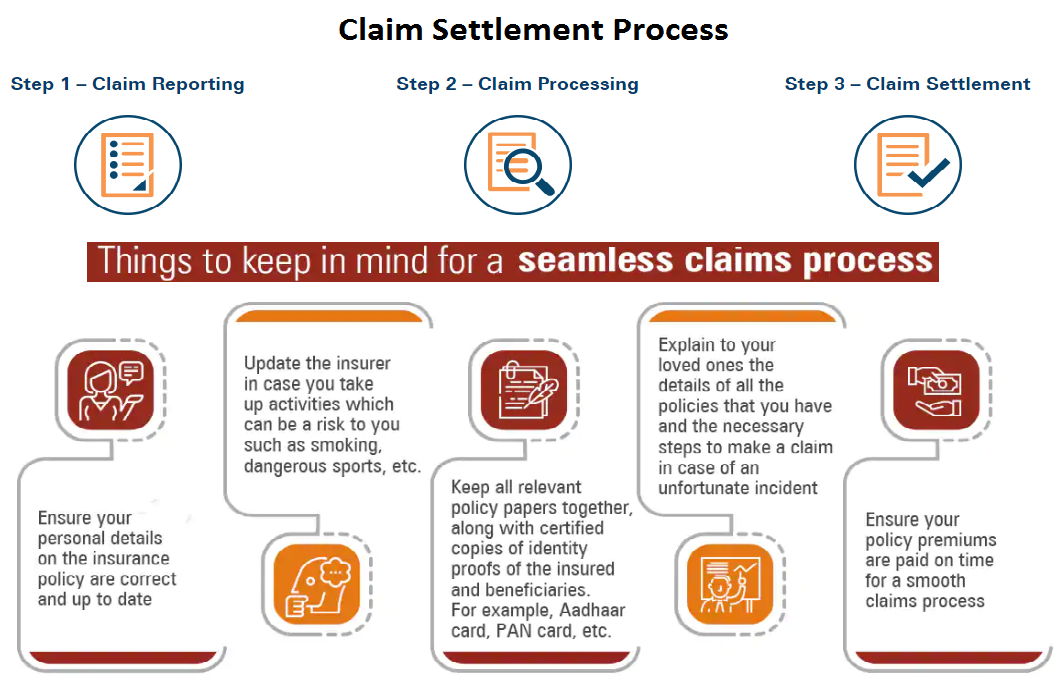
ICICI Prudential has multiple channels for selling its policies. ICICI is selling its policies through its branches. Insurance Advisors are also recruited by the company. Bancassurance is also a channel for selling its policies. ICICI Prudential has branches all over the country to market its products. Marketing Executives are trained to explain the features and benefits of ICICI Prudential Life Insurance. ICICI is also selling its policies through Online Channel. ICICI Prudential has a simple claim settlement process.
marketing mix of icici prudential life insurance

Price in the Marketing Mix of ICICI Prudential Life Insurance

Premium depends on the Insurance Cover and Age of the Insurer. ICICI Prudential has competitive pricing and benefits as per the IRDA Regulations. Yearly and Monthly Premium Payment Options are available in the insurance policies of ICICI Prudential Life Insurance.

Promotion in the Marketing Mix of ICICI Prudential Life Insurance

ICICI Prudential is taking every possible measure to promote its policies. ICICI Prudential Life Insurance is using modern techniques for promoting its products and services. Online advertisements the company is using Google Ad Network and other Ad Networks. The company is using Facebook Marketing, Whatsapp Marketing, Tiktok Marketing for its promotion. ICICI Prudential is also advertising its products on Television, Print Media, and Magazines. It is also using Hoardings for promoting its products throughout the country. It is also promoting its products on various Social Media Platforms. These aggressive techniques are developing a good image among the customers of the company.

If you Like this Article Please Hit the Like Button and Follow Us on our Facebook Page: PROJECTS4MBA

Marketing Mix of ICICI Prudential Life Insurance Read More »
Marketing Mix of Procter & Gamble – P&G Marketing Mix

This article is on Marketing Mix of Procter & Gamble. P&G is one of the leading FMCG brands. There is a series of Procter & Gamble marketing strategies that helped the brand to flourish, such as product/service innovation, investment in marketing, customer experience, etc.

Procter & Gamble has a marketing strategy that uses multiple platforms to increase market penetration. Market penetration was one of the company’s core growth strategies. P&G delivers a wide range of goods that suit the needs of various customer groups and market segments.

Marketing Mix study helps the company to formulate strategies to become the market leader. Changes in policies, specifically in distributing products via digital platforms, can make the marketing mix of Procter & Gamble more successful.

Procter & Gamble is an American company dealing with consumer products. Founded in 1837 by James Gamble and William Procter, this international corporation has its head office in Ohio, USA. The corporation has many technological developments that have allowed it to boost its position on the world market. Procter & Gamble faces tough competition, directly and indirectly, from some of its competing companies and some of the rival companies are as follows:

  • Hindustan Unilever Limited
  • ITC Limited
  • Johnson & Johnson

Products in the Marketing Mix of Procter & Gamble

Procter & Gamble sells products whose product line is closely related. The company’s primary aim is to make goods available to all customers worldwide. For this, they improved product quality and maintained fair prices.

marketing mix of procter & gamble

Procter & Gamble has its product categorization into different sectors :

  1. Beauty
  2. Grooming
  3. Health Care
  4. Snacks & Pet Care
  5. Fabric Care and Home Care
  6. Baby Care
  7. Room and Car Fresheners

BEAUTY SEGMENT

The key categories in this Beauty Segment are Conditioners, Shampoo, Women’s Skin Care, and Styling.

Head & Shoulders:

One of the leading anti-dandruff Shampoo. The shampoo is helpful for dry scalp and hair fall.

Olay

It is the world’s most popular makeup cream brand. Olay consists of different Indian variants:

  • Base Moisturizer
  • anti-aging
  • Olay Whitening
  • Olay-Regenerist

Pantene

It is a brand of hair-care products. Make your hair strong with Pantene.

Conditioners:

  • Aqua Light Conditioner
  • Color Preserve Smooth Conditioner
  • Blonde Expressions Conditioner

Grooming Segment

This segment’s key category includes razors, shaving creams :

  • Gillette
  • Gillette Series  – Foam
  • Old Spice

Oral-B

It’s one of the best toothbrushes. It comprises hygiene products like toothbrushes, mouthwashes, toothpaste, and floss. Oral-B’s products are established worldwide, and its demand is up due to big brushing sales. This product adds smiles to customers’ confidence.

  • Electric rechargeable Toothbrushes
  • Brush Heads
  • Toothbrushes with Battery
  • Manual Toothbrushes
  • Baby Toothpaste

Whisper, Always

These are brands of feminine hygiene products.

Vicks

Cough medicines, cough drops, and breathing treatments.

Clearasil

Best selling brands for acne and skincare.

Pringles

Potato Chips.

Fabric Care & Home Care Segment

  • Ariel
  • Tide
  • Camay
  • Mr. Clean

Battery :

  • Duracell

 Room and Car Fresheners

Ambi Pur

“Ambi-Pur” is an air-freshener product used in cars and homes. It’s a worldwide popular brand. Ambi-Pur can be used in toilets, offices, cupboards.

Baby Care

Pampers: Diapers and pant style diapers for babies.

Place in the Marketing Mix of Procter & Gamble

For all its products, Procter & Gamble has a worldwide network with a distribution strategy in place for 140 countries including India,  China, UK, and the USA. The company also has different production plants for different goods such as a hygiene manufacturing plant in Baddi and Goa.

Procter & Gamble has a comprehensive, large network to market and produce its products. It understands the value of timely action and all its delivery mechanisms are well-coordinated and efficiently managed. Intensive distribution, niche distribution, and broad distribution are practiced in three main ways.

Procter & Gamble network system consists of manufacturer stockists, distributors, wholesalers, and retailers who are direct suppliers to customers.  DHL courier is the service provider to ensure logistical performance. P&G Products are available in every grocery store and big stores like Big-Bazaar, Walmart, Best Price, D-Mart, V-Mart, Spencers, etc.


Price in the Marketing Mix of Procter & Gamble

Pricing approach for Procter & Gamble products relies mainly on product consistency and brand image. Because there are numerous brands under the business umbrella of P&G hence the pricing depends on the product. It relies on a flexible approach where goods are priced by market demand.

Procter & Gamble has a fair pricing strategy on products and thereby has a price range that is very close to the competitor’s commodity prices. Under this strategy, any adjustments made by rivals impact prices. Suppose competitors drop their product prices to boost their profits, so Procter & Gamble often come up with a discount or gift scheme to combat it.

Therefore, prices remain in a range.

The company often follows the penetration pricing approach to introduce new goods and build a new customer base. If costs are lower from comparable goods, without losing the quality, customers are attracted to these goods. That results in higher revenues, helping the company produce greater volumes. For their high-quality luxury products segment, the companies follow a competitive pricing strategy where prices are higher. Such goods, however, are usually superior in price and appeal to the people who can afford them.


Promotion in the Marketing Mix of Procter & Gamble

Procter & Gamble leverages heavily online media and promotes its products. The company focuses on creative marketing and heavy advertisements. It works with celebrities for commercials. Actors Kareena Kapoor and Saif Ali Khan are in Head & Shoulder advertisements, actress Kaitrina Kaif is in advertising for Olay and actress Shilpa Shetty and Parineeti Chopra are in Pantene ads seen in various TV channels, radio, hoardings, newspapers, and magazines. Procter & Gamble funded numerous TV shows to promote their products.

The organization also has links with several other shopping places where you can buy. It has been a partner of various online communities including “BeingGirl.com” and “Women.com” and also has several highly stylized destinations. The company launched small product pouches as promotional initiatives to build awareness for its products in the consumer market. Free samples as a marketing strategy are provided at various events to improve product exposure.

If you Like this Article Please Hit the Like Button and Follow Us on our Facebook Page: PROJECTS4MBA

Marketing Mix of Procter & Gamble – P&G Marketing Mix Read More »

Best Marketing Mix of Patanjali Ayurved [Step by Step Guide]

In the Marketing Mix of Patanjali Ayurved 4Ps product, place, price, and promotion are analyzed. There is a series of Patanjali marketing strategies that helped the brand to flourish, such as product/service innovation, investment in marketing, customer experience, etc.

marketing mix of patanjali

Patanjali Ayurved is an Indian FMCG Company, founded in 2006 by Acharya Balkrishna and Baba Ramdev. Patanjali Ayurved. The fastest rising FMCG business in India happens to be Patanjali Ayurved. Patanjali Ayurved imports the herbs from Nepal’s Himalayas. Production units of Patanjali Ayurved are at Haridwar and have Headquarters (HQ) in Delhi. Total Assets of Patanjali Ayurved is about ₹4,345 crore till 2019. Balkrishna holds 98.6% shares of Patanjali Ayurved, with a net worth around 43,932 crores (US$ 6.1 billion).

Patanjali has a Nepal manufacturing unit, which operates under the Nepal Gramudhyog brand name. India’s fastest growing FMCG firm.

HUL, ITC, Dabur, Colgate, and P&G are the FMCG firms which are theoretically impacted by Patanjali products and growth of Patanjali Ayurved. With attractive discount offers, P&G and Hindustan Uniliver are on the back foot and seeking to draw customers back.

Product in the Marketing Mix of Patanjali Ayurved

Baba Ramdev keeps pushing Indians to use Indian products and to save the company’s growth. Patanjali intends to take over all renowned beverage and food brands.

  • Foods – Jam, Oats, Biscuits, Noodles, Pulses, Ata, Vegetable Oil, Sunflower Oil, Mustard Oil, and many other lines of food products.
  • Beverages
  • Medicines & Ayurvedic Medicinal Products
  • Personal Care
  • Cleaning agents Like GoPhenyl, Detergents, Soaps, etc.

A wide range of products is available in the Product mix of Patanjali Auryved. Most Popular Product of Patanjali is its toothpaste Dantkanti.

Products that have made rivals to reduce their prices to sustain the market presence are:

  • Patanjali Honey is competing well hence Dabur has to reduce the price of its product Dabur Honey.
  • Dantkanti Star Product of Patanjali has forced Colgate to launch Ayurvedic variant Colgate VedShakti.
  • Patanjali has also launched Noodles in competition with Maggi, Sunfeast Yippee, Chings Noodles.
  • Glucose biscuit of Patanjali is giving tough competition to Parle-G.

Price in the Marketing Mix of Patanjali Ayurved

Patanjali Ayurved is the fastest growing Indian FMCG firm with two main reasons for its growth are natural ayurvedic ingredients and its pricing policy. Pricing played a crucial role in getting Patanjali Ayurved ahead of its tough competitors.HUL and P&G do their best to succeed, but the love for the Indian product that grows in people is making Patanjali the Market Leader in FMCG and Ayurvedic Product Segments.

Patanjali conveys customers about the advantages of using its goods and also uses price comparison as an efficient marketing tool. The price strategy is undoubtedly penetrating because Patanjali knows that company is unable to capture the market at higher prices. Moreover, if natural and domestic ingredients are available, the cost of the product is also lower. Almost every product has a price drop of 25-30 percent compared with the foreign brands that help Patanjali penetrate every household in a country like India.

Place in the Marketing Mix of Patanjali Ayurved

Patanjali Ayurved is the fastest growing Indian FMCG Company spreading its wings to neighboring countries such as Nepal. The company has a production facility in Nepal. Patanjali is also importing herbs from the Himalayas to Nepal, and the well-established business relationship allows Patanjali to quickly spread its wings in Nepal.

With its growing expansion in India and Nepal, Baba Ramdev will definitely try to take over the market in several other countries. With 5000 Crores in revenues, Patanjali will definitely have a lot of development and growth.

There are currently 10000 stores in India that sell Patanjali goods, and these stores exclusively sell Patanjali to make the local retailers tremble. The penetration rates would only increase as the product margins are also high. Big Retailers like D-Mart, BigBazaar, etc are also selling products of Patanjali.

Promotion in the Marketing Mix of Patanjali Ayurved

Patanjali Ayurved’s slogan “Prakriti ka Ashirwad” is very popular. Patanjali Ayurved has gained good popularity and fame among people because of Due to Yog Guru Baba Ramdev. This Patanjali brand ambassador is solely responsible for the brand’s growth. Ramdev has changed people’s lives with yoga. The reason behind the success of Patanjali Ayurveda is the contribution of Ramdev and Balkrishna in Yoga and Ayurveda.

Although many people moved to Patanjali products due to Baba Ramdev, a group of Indians began to follow him when they learned how fine and cheap Patanjali products are. Marketing campaigns of Patanjali are focused on the statement which states that “Patanjali’s income is for charity instead of brand owners.” Secondly, the income generated from daily goods is safer to stay in India than the profits produced by foreign companies. To date, Indians have had no alternative to international products, but they now have domestic products.

marketing mix of patanjali -1

Baba Ramdev took advantage of this opportunity and has begun to influence Indians by sharing knowledge about the price difference and the utility of herbal Patanjali products. Baba Ramdev has with both hands ceased the potential and made a big difference in Patanjali Ayurveda branding. Now Patanjali also sells its products online through e-commerce, which further increases its penetration.

Patanjali uses TV,  Radio, and Print Media for advertising its products. The company is also using Youtube as a platform for promoting their products. Baba Ramdev and Balkrishna have created a good brand image of Ayurveda and Ayurvedic products in the mind of Indians and people around the world.

Conclusion

Best Marketing Mix of Patanjali Ayurved [Step by Step Guide] is analyzed for the educational purpose. If you like to use this Marketing Mix in your article or page please provide link to this article for reference.

If you Like this Article Please Hit the Like Button and Follow Us on our Facebook Page: PROJECTS4MBA

Best Marketing Mix of Patanjali Ayurved [Step by Step Guide] Read More »

MBA Finance Project Topics – Finance Project Reports

This is the list of MBA Finance Project Topics:

  • MBA Project Report on the Study of Credit Cards offered by XYZ Bank.
  • Finance Project on Investor’s views towards Share Trading Services offered by XYZ Securities.
  • Finance Project on Portfolio Management Service offered by XYZ Securities.
  • Finance Project on Analysis of Investors view towards Primary Market
  • Finance Project on Working Capital Loans or SME Loans offered by XYZ Banks.
  • A Study on Working Capital Management (WCM) of Any Organization.
  • Comparative Study of Loans offered by Two Banks
  • MBA Project Report on Profitability Analysis of Any Company or Bank.
  • MBA Finance Project on Financial Performance of XYZ Bank or Company.
  • MBA Finance Project on Inventory Management System in a Company.
  • MBA Finance Project on Loan Sanctioning and Recovery Procedure of XYZ Bank.
  • MBA Project on Investor’s views towards XYZ Mutual Funds.
  • MBA Project on Tax Saving Investment Options available to Retail Investors.
  • MBA Project on Retail Banking in India and Retail Banking Services offered by XYZ Bank.
  • Finance Project on Loans offered by XYZ Bank.
  • Project on Financial Statement Analysis of two companies or single Company or Banks
  • Project on Financial Performance of XYZ Company or Bank.
  • Analysis of Internet Banking Services offered by XYZ Bank
  • Comparative Analysis of Internet Banking Services offered by XYZ Bank.
  • MBA Project on Liquidity and Profitability of XYZ Company.
  • MBA Finance Project on Investor’s views towards Demat Services offered by XYZ Industry.
  • MBA Finance Project on Housing Loan Schemes offered by two or three banks.
  • MBA Finance Project on CASA (Current Account and Saving Account) of a Bank
  • Project Report on Investor’s views towards Equity Market.
  • Project Report on Investor’s views towards Equity Linked Saving Schemes.
  • Project Report on Investors view towards Gold Funds
  • Project Report on Analysis of Gold Funds offered by Leading Mutual Fund Companies.
  • Finance Project on study of Banking Process Restructuring of State Bank of India.
  • To analyze the Equity Funds of Leading Mutual Funds in India.
  • To analyze the compare mutual fund schemes on the Basis of Sharpe Ratio, Standard Deviation, Alpha, Beta, Treynor’s Ratio, Annual Returns, etc.
  • To analyze investment options available to the investors.
  • To analyze and compare Mobile Payment Wallets Paytm and Phone Pe.
  • To compare Mobile Banking Services offered by Two Banks.
  • To compare Payment Gateways.

This is a List of MBA Finance Project Topics. If you want project based on any of these topics feel free to call us on +91-9343655211

MBA Marketing Project Topics

MBA HR Project Topics

If you Like this Article Please Hit the Like Button and Follow Us on our Facebook Page: PROJECTS4MBA

MBA Finance Project Topics – Finance Project Reports Read More »

Marketing Mix of Xiaomi [Step By Step Guide]

Marketing Mix of Xiaomi analyzes 7Ps product, place, price, promotion, process, people, and physical evidence. There is a series of Xiaomi marketing strategies that helped the brand to flourish, such as product/service innovation, investment in marketing, customer experience, etc.

marketing mix of xiaomi

Xiaomi is a Chinese electronics design and manufacturing company. The business was founded by Lei Jun in 2010 and is headquartered in Beijing. Xiaomi ranks fourth on the list of the world’s top smartphone makers. Its consumer electronics and hardware are some of the fastest-selling goods in China.  Samsung and Apple are worried by the pace at which Xiaomi is rising, as the company has almost managed to position itself as the top smartphone brand in China and Asia.

Competitors of Xiaomi are :

  • Apple
  • Samsung
  • Oppo
  • Vivo
  • One Plus
  • Realme
  • Asus
  • Huawei

Product in the Marketing Mix of Xiaomi

Xiaomi markets its products in five specific categories, each acting as separate lines of products. All of its products are sold under the Xiaomi brand name. Some of the products are :

  • Mobile Phones
  • Tablets
  • Laptops
  • Fitness Bands
  • Smart Cameras
  • Security Solutions
  • TV
  • Earphones
  • Chargers
  • Power Banks

Xiaomi products are available in a wide range, allowing consumers to select the product type that best suits them.

Xiaomi offers highly differentiated goods, with numerous features that rivals don’t bring to consumers. Hence, its goods are regarded as original.

Its products are seen to be of higher quality than competitors.

Xiaomi sells products renowned for their looks and design. Xiaomi products are of high quality.

Suggestions for Product in the Marketing Mix of Xiaomi

  • Xiaomi must introduce new products that are related to recent trends in the market.
  • Xiaomi must introduce new technology in its products.
  • Xiaomi must do a proper analysis of products available in the market before launching a product.
  • Xiaomi must increase its product line to attract customers from each segment.
  • Xiaomi must try to improve its product packaging to attract customers. Packaging must be visually appealing.
  • Extended warranties must be provided with the products to beat their competitors.

Pricing in the Marketing Mix of Xiaomi

Most of the money being spent on Xiaomi products applies exclusively to design and manufacture. The company is trying to save as much as it can, thus offering products at an affordable rate for the market. To put it another way, Xiaomi products are low priced on average. The firm primarily employs marketing techniques that do not cost much. Moreover, most of the items are sold online thus reducing the costs that would have been expended on setting up retail stores.

The company is using a pricing strategy that will help them make money in the future. The company is selling products on low margins to make more sales.   Their emphasis on profit generation is on the devices, applications, and services to be used with their phones and computers, etc. Xiaomi has demonstrated that cheap prices don’t always mean cheap products.

Suggestions for Pricing in the Marketing Mix of Xiaomi

  • Xiaomi should give discounts on products to attract customers.
  • Psychological pricing must be used by Xiaomi.
  • Products must be launched with a price penetration strategy which means lower prices in initial stages ad then increasing the prices after capturing the market.
  • The company must launch products that fit into the pocket of all classes of people.

Place in the Marketing Mix of Xiaomi

Xiaomi is a company of Chinese origin with a large market in China. The company has expanded its business in, Turkey, Mexico, Malaysia, Thailand, Russia, Philippines, Singapore, Brazil, Indonesia, Vietnam, and  India. Despite trying to go international, Xiaomi’s main focus still lies in China as it already has a formidable consumer base here.

Most of Xiaomi’s sales are made digitally instead of in physical stores. As a result, both the producer and the customer understand a win-win situation. The company has a tie-up with Flipkart, Amazon. Online products are also sold through company-owned web store i.e. mi.com and app.

Suggestions for Place in the Marketing Mix of Xiaomi

  • Xiaomi should launch special products for its offline stores.
  • Xiaomi must open more company-operated stores.
  • Service Centres must provide efficient services to the customers.
  • Xiaomi must improve its website for increasing its sales from its website.

Promotions in the Marketing Mix of Xiaomi

  • Using flash sales lets the company sell its smartphones and other items in small numbers and within very short periods of time. This is an effective promotional tactic that helps the business to save money that would have been used in ads because the tactic generates motivation and customer anticipation. Only a small number of goods are manufactured and sold relatively quickly, making others wait for the next shipment. Waiting is always with a lot of tension and anticipation. Many people end up thinking about social media in particular and thereby unknowingly endorsing Xiaomi products. Xiaomi has a very broad and strong fan base that has been able to express their support for the Xiaomi products. These are fans who are still in action when a new product is launched. The presence of such a fan base alone is enough for cheering and excitement to draw future customers’ attention.
  • Xiaomi takes advantage of several media platforms to market its goods. It uses conventional media which includes television and radio advertisements. This is advantageous because of its wide scope and capability of attracting a large number of people. It uses online ads and in social media, which is cheaper and advantageous due to the growing use of the Internet.
  • Xiaomi advertises on various social media sites with an emphasis on YouTube, Facebook, and Twitter. On these sites, it has over one hundred thousand likes or customers following, who are exposed to daily content uploaded by Xiaomi.
  • Xiaomi undergoes numerous promotional promotions taking part in various trade fairs and conferences during the year.
  • Xiaomi undergoes personal sales to increase its presence in retail stores, with a large sales force.
  • Xiaomi uses a percentage of the sales model to assess the budget for promotions.

Suggestions for Promotion in the Marketing Mix of Xiaomi

  • Xiaomi can recruit and include social media influencers such as bloggers or prominent TV/movie stars in its advertising. To promote Xiaomi bloggers can post content on their social media accounts. .TV/movie stars can be used in promotional advertisements to improve consumer awareness of the product
  • Xiaomi will initiate a marketing campaign where consumers receive a clear message on all media platforms. This will help to increase awareness within the customer’s minds.
  • To boost online traffic on its website Xiaomi will undergo various digital marketing techniques. These involve advertising for the banner, search engine optimization, and the development of its blog or forums.
  • Xiaomi will make posts on social media quite relevant to its target audience. The posts should also be such that consumers are motivated to take more action, such as sharing posts with friends or leaving reviews in the comment form. It will integrate the latest trends in social media such as hashtags, memes, etc. Xiaomi can start gathering customer data and start sending them messages via email or SMS, which ultimately leads to regular customer purchases.

People in the Marketing Mix of Xiaomi

  • Inside its sales department, Xiaomi has people who play a critical role in its marketing efforts. Such people were trained in promotional strategies but also in showing respect to customers’ needs.
  • Xiaomi has its customer service department with people working. Customers contact these in case of any problems inside the product and these people direct customers through the process of resolving the issues. Such employees are educated to appreciate the customers and make every effort to fix their complaints.
  • Xiaomi has suppliers working with people to get the raw materials. These people play an important role in maintaining or enhancing the quality of the produced end product.
  • Xiaomi has people working in retail stores who help the customer on-site, answer any questions, or help them decide which product best suits their needs.

Suggestions for People in the Marketing Mix of Xiaomi

  • For its sales force, customer care, and purchasing staff, Xiaomi must provide training as these play a critical role in providing value to customers.
  • Xiaomi should provide its sales force with rewards through promotions to achieve goals, or through commissions for the sales made.
  • Xiaomi should employ people who show respect for customer interest and are committed to the company.

Process in the Marketing Mix of Xiaomi

  • Xiaomi has systems built to ensure its goods are still available in retail stores where retailers can alert when their inventory volumes are small. Xiaomi supplies them with more goods to replenish their stock when ordering their productions. This means goods are still available to consumers in appropriate quantities.
  • Xiaomi has an electronic ordering process in which orders are submitted through the computer system and the related product from the inventory is delivered to the delivery service provider based on those orders.
  • Xiaomi is actively interested in exploring business prospects to consider the needs of the customers. This also builds awareness of consumer needs through gathering in-store reviews, the helpline, or social media accounts.

Suggestions for Process in the Marketing Mix of Xiaomi

  • Xiaomi can use apps and websites around to manage its various processes to improve customer satisfaction and production on time.
  • Xiaomi will continually search for ways to improve in terms of productivity and expense and develop its processes. Eventually, reductions in production will contribute to lower prices for its goods.

Physical Evidence in the Marketing Mix of Xiaomi

  • Xiaomi markets its products in a different, easily recognizable color package on store shelves. These are put on the company’s special shelves which also have a distinct color and style. This makes the position of these shelves in busy retail stores easier for customers.
  • Xiaomi has a user-friendly online website that allows consumers to view their products from various angles in high-quality photographs.

Suggestions for Physical Evidence in the Marketing Mix of Xiaomi

  • Xiaomi will gather feedback on its packaging from its customers so that it can focus on packaging.
  • Xiaomi should develop stores where it offers a shopper-friendly experience and atmosphere, enticing its customers to purchase its items.

You Will also like SWOT Analysis of Xiaomi

If you Like this Article Please Hit the Like Button and Follow Us on our Facebook Page: PROJECTS4MBA

Marketing Mix of Xiaomi [Step By Step Guide] Read More »

Marketing Mix of Westside – Westside Marketing Mix

Marketing Mix of Westside analyzes 4Ps of marketing mix which covers product, place, price, and promotion. There is a series of Westside marketing strategies that helped the brand to flourish, such as product/service innovation, investment in marketing, customer experience, etc.

Marketing Mix of Westside

The product, place, price, and promotion used by Westside are elaborated in this article. Westside was established by Mrs. Simone Tata when she acquired the Littlewoods in 1998. The architecture of the business is intended to meet the shopping needs of a variety of consumers in at least 82 cities where at least 143 stores have been opened. It is one of India’s fastest-growing retail stores and is now run by Trent, owned by the Tata Group. Some of the competitors are Max Retail, Pantaloons, Shoppers Stop, and Globus.

Marketing Mix of Westside 1

Products in the Marketing Mix of Westside

Below its roof, the company has many product categories. These have mostly in-house brand displays, with other brands tied up in their marketing mix as well. Here are some of its products:

  • Clothing for Man
  • Clothing for Woman
  • Clothing for Kids
  • Shoes & Bags
  • Living
  • Decor
  • Bed
  • Bath
  • Kitchen
  • Makeup
  • Skin Care
  • Fragrances
  • Bath and Body
  • Beauty Accessories

Pricing in the Marketing Mix of Westside

The pricing policy and decisions are all in line with the marketing strategy as well as the target market. The organization has a conviction that products must have reasonable prices. As a customer, you’re guaranteed value for your money, especially as you can always buy the brand of your choice. Such a pricing policy has led to Westside raising its profit margin.

Over the recent past, the company has been able to make several price changes on its products. These price changes were made with the intention of targeting all consumer segments and customer groups. Below are some of the forms used in its pricing strategy:

  • Image pricing
  • Value pricing
  • Product bundling pricing
  • Promotional discounts
  • Seasonal pricing
  • Product-form pricing

Due to the pricing policy of Westside, most of the customers are satisfied with Westside. Products are also very good and of high quality as per the pricing of the store.

Place in the Marketing Mix of Westside

Westside primarily markets its goods through chain stores, the majority of which were located in malls. Most of the stores are situated near competitors to attract consumers from doing deals with these competitors. Quality and price have a competitive advantage for Westside. All deliveries of the goods are made distributed from the company’s headquarters in Mumbai, with stock replenishment mostly on Fridays.

In most cases, the quality of goods depends heavily on the city of service. Most stores have also been opened solely for women so you won’t get male attire in these stores. Women consumers form the largest segment of buyers. Due to customer loyalty the company has opened the group’s exclusive stores for women. 143 stores have been opened in 82 cities by Westside. All of these stores are large-format stores.

Promotion in the Marketing Mix of Westside

Westside is very keen on attracting discounted buyers, some of whom can push the advertised price up to 50 percent. The business also provides a number of in-house brand promotions, with some prominent foreign brands. Westside is also fond of tying up with some of the well-known and influential designers. This gives more confidence to the customers to shop with Westside. The company has a loyalty program in the name of Club West Card which is used to attract customers.

The company uses theme-based stores like Westside Woman. Westside runs advertising campaigns in addition to all of these. The company is credited with the introduction of foreign brands to its portfolio to increase its customer base. These include products made by Vera Moda, U.S. Inter alia, Polo ASSN, and Chicco.

If you Like this Article Please Hit the Like Button and Follow Us on our Facebook Page: PROJECTS4MBA

Marketing Mix of Westside – Westside Marketing Mix Read More »

SWOT Analysis of Shoppers Stop [step by step Strength | Weakness | Opportunity | Threats]

In this article, we have done the SWOT Analysis of Shoppers Stop. Shoppers Stop is an Indian retail store chain of 86 stores in 40 Indian cities. It was established in 1991, in Mumbai, India, where its headquarters is. located.  K Raheja Corp Group owns shoppers stop. This retail chain has evolved from becoming a single brand shop to being a family fashion and lifestyle store where it offers clothing pieces, accessories, jewelry, shoes, cosmetics, health and beauty goods, cosmetics, fragrances, decoration goods, handbags with numerous varieties.

swot analysis of shoppers stop

Shoppers stop has always been known for maintaining its reputation and knowledge for its quality goods. Shoppers Stop is the only Indian participant of the ‘Intercontinental Group Departmental Stores’.

swot analysis of shoppers stop 1

Let’s analyze SWOT Analysis of Shoppers Stop focuses on Strengths, Weakness, Opportunities, and Threats.

Strength in the SWOT Analysis of Shoppers Stop

  • Brand Image: They have always believed in the infinite universe of possibilities. Their creativity and the ability to handle the day-to-day technical transition have always been top of the list. They also provided a clear comparison against other types of retailers in the industry because of their large presence in the retail sector. The company has managed to keep its brand distinct and appreciated with a long background and superior quality. Brand Image of Shopper’s Stop is good.
  • Market Presence: Shoppers stop has a very good presence in 40 cities in India, with 86 stores. They have also reached their customer via newly revamped online stores, where they are able to purchase their items online. They have served millions of consumers across the country via the Omnichannel strategy. Not only do they have an online presence on their own platform, but they have also partnered with Amazon to provide their customers with the full shopping experience. It also plans to expand four to five stores a year.
  • One-Stop-Shop: The retail store has a number of different items to sell. It is a one-stop-shop for a range of product lines from clothing, to cosmetics and home decor products. It offers over 400 of the finest foreign and national brands in every category. They have partnerships with 400+ foreign brands (Desigual, RS By Rocky Star, Wrong, Love Generation, and Femina Flaunt). It has items for men women and children that make the store more accessible to all types of people, thus growing its popularity.
  • Loyalty Programme: Shoppers Stop loyalty program also known as First Citizen is popular in the market. The business loyalty program includes over 4.4 million members among the oldest in the industry, generating 72 percent of its revenue. The company is linked to more than 8.8 million Facebook fans and 12,7900 Twitter followers. It also aims to deliver annual revenue of 25 to 30 percent. The loyalty program has significantly helped create clear brand awareness in consumer minds.
  • Gift Cards: Gift Card Policy of Shoppers Stop is also good.
  • Quality: Quality of the Products is also a great strength of Shoppers Stop
  • High Conversion Rates due to increasing footfalls.
  • Proper training is provided to the staff to do marketing.
  • Shoppers Stop has an annual revenue of ₹19.30 billion.
  • 14000+ Employees are their major strength.

Weakness in the SWOT Analysis of Shoppers Stop

  • Promotion: Stop shoppers’ advertising tactics have been via campaign and television ads, while ATL and BTL advertisements have been adopted by their rivals like the future group. Shoppers stop promotional strategies are often done through above the line with the low emphasis on promotional strategies in the below the line form. For example- advertising, in-store ads, etc. while Future group ads and their campaign are primarily in the form of print media,  major TV channels, radio, and social media.
  • Low-Risk Approach: Stop shoppers to adopt a low-risk approach where the company is rising quite steadily. The strategy and creativity are rising at a very slow pace while Shoppers Stop is a leader in the retail industry. In 2018, the Omnichannel approach was launched when another company had gone a long way. Shoppers Stop has tie-up with Amazon. This implements a very low risk-taking approach that may be a very slow development phase for the company.

Opportunities in the SWOT Analysis of Shoppers Stop

  • Technology: Shoppers Stop has always been known for implementing innovative retail technologies. It is their relentless endeavor to innovate and introduce new technology solutions to create an enjoyable shopping experience for customers. The latest initiative is Click and collects and delivers from the nearest store explored the multi-channel experience in the shops, providing the personal service to the shops where the partners are empowered to connect with customers via mobile devices. In the future, innovation will put in some new technologies where the consumer can have a great experience with the stores to create and improve brand identity.
  • Premium segment products can be targeted.
  • Opportunity to get Foreign Direct Investment for store operations.
  • New Malls and Shopping places are developing. Where Shoppers Stop can be opened to increase their revenue.
  • Increasing Mall Culture attracts people to visit big stores. Shoppers Stop must target all segments of society.

Threats in the SWOT Analysis of Shoppers Stop

  • The rising number of private-labels has created confusion within the retail sector. Many of the other retail outlets benefit from their own private label brand. Shoppers Stop is facing a downturn in their private labels.
  • People in large cities, in general, are particularly lethargic about leaving their homes and often tend to shop online. So companies such as Amazon and Flipkart are now big threats to most retailers.
  • Online startups are the hottest trend in India. Many of these are aggregators that cost-effectively put the manufacturer and the consumer together. These companies are the emerging threats more so because in the aggregation industry many new brands are emerging mainly due to lower entry barriers.
  • Global competitors.
  • Unorganized retail is also a big threat.
  • Government Policies and regulations related to the retail sector.
  • International Players who are willing to open stores in India.


If you Like this Article Please Hit the Like Button and Follow Us on our Facebook Page: PROJECTS4MBA


SWOT Analysis of Shoppers Stop [step by step Strength | Weakness | Opportunity | Threats] Read More »

SWOT Analysis of D-Mart – D-Mart SWOT Analysis

In this article, we have done the SWOT Analysis of D-Mart. SWOT Analysis of D-Mart focuses on Strengths, Weakness, Opportunities, and Threats. D-Mart is an Indian focused commercial chain of hypermarkets and supermarkets. Under its umbrella, the chain that is a multi-category store offers a wide variety of items. Market goods, personal care products, groceries,  home care solutions, kitchenware, furniture, utensils, and home appliances are some of the categories offered by D-Mart.

swot analysis of d-mart

D-Mart was founded by Mr. Radhakishan Damani with the goal of providing value-based products at affordable rates to families across the world. D-Mart is said to be based on the model of Big Bazaar and is pursuing a similar pricing strategy. But it D-Mart Pricing is better than Big Bazaar, Reliance, and even Walmart BestPrice.  The Mumbai based company also markets a number of its private labels, such as D-Mart Premia and D-Mart Minimax.

D-Mart has several stores at various locations throughout India and also a distribution system that is relatively well spread out. In 2016, the company reported annual revenue of $1.86 billion, and business is expected to show steady growth as well.

Strengths in the SWOT analysis of D-Mart

  • Focus on the long-term: Damani, D Mart’s founder is an investor and hence the company has concentrated solely on long-term profits. This has resulted in the company optimizing its returns through a pricing approach driven by demand.
  • Slow scaling: D Mart began on a very low keynote and gradually took its time to raise the ladder upwards. This gave the company greater leverage and deeper knowledge of its supply chain, as well as allowing them to better handle the bottom line.
  • Customer-Centered Management Approach : D Mart has a very strong workplace policy in place and is very open in its interactions with the employees. They do have a strong relationship with vendors and manufacturers and are satisfied with stakeholders.
  • Discount policy: One aspect that sets D Mart apart from his rival is its massive strategy of discounting. The store is selling vital items at a flat discount price that most rivals are unable to match and this has helped them reach the market.
  • Clear distinction based on price: D Mart never adopted the trends set by other rival retail companies but believed in setting their own trends. Through a simple price-based distinction they dominated the market and sold their products at much lower prices than rivals.

Weaknesses in the SWOT analysis of D-Mart

  • Focus on other places: D Mart has concentrated mainly on the Western States and has a very small presence in the South, quite unlike its rivals, who are present everywhere. That has prevented them from gaining popularity in the market.
  • Slow growth: Nearly 16 years ago, D Mart established much before the retail boom set a fire in India. However, owing mainly to its long-term outlook, it has not been able to dominate the market, even as many of the later entrants.
  • Low pricing sustainability: The company has a zero credit policy and so manufacturers and suppliers offer them a much better deal which is how the business can afford the low prices that the rivals can not imagine.
  • No frills: D Mart follows a No-frills strategy wherever possible the emphasis is on cutting costs. Their services are central and most upmarket stores lack the frills. The clients who come here are essentially looking at the low prices of the items on sale. Therefore the longevity of this differentiator is uncertain.

Opportunities in the SWOT analysis of D-Mart

  • Technology: Technology has a lot to contribute to retailers in terms of in-store experiences and retailers can use IoT, artificial intelligence, etc. to create value-adding services for their customers for which they can charge a premium.
  • Service personalization: Consumers are searching for customized services they are willing to pay extra for. Retailers should expand on this willingness to pay more and boost the quality of services they offer.
  • New Developing Markets: New developing markets and mall culture can be the biggest opportunity for the company.
  • South of India: D-Mart can also open stores in the south and areas where no store is there.

Threats in the SWOT analysis of D mart

  • People in large cities, in general, are particularly lethargic about leaving their homes and often tend to shop online. So companies such as Amazon and Flipkart are now big threats to most retailers.
  • Online startups are the hottest trend in India. Many of these are aggregators that cost-effectively put the manufacturer and the consumer together. These companies are the emerging threats more so because in the aggregation industry many new brands are emerging mainly due to lower entry barriers.
  • Global competitors.
  • Competition among Best Price & Reliance Retail.
  • Unorganized retail is also a big threat.
  • Government Policies and regulations related to the retail sector.
  • International Players who are willing to open stores in India.

If you Like this Article Please Hit the Like Button and Follow Us on our Facebook Page: PROJECTS4MBA

SWOT Analysis of D-Mart – D-Mart SWOT Analysis Read More »

SWOT Analysis of Big Bazaar – Big Bazaar SWOT Analysis

SWOT Big Bazaar Analysis examines Strengths, Weakness, Opportunities, and Threats. The strengths & weaknesses are internal factors and opportunities and threats are the external factors in the SWOT Analysis of Big Bazaar.

SWOT Analysis of Big Bazaar

SWOT Analysis is a validated management technique that allows a brand like Big Bazaar to measure its business & results relative to competitors and industry. Big Bazaar is also one of the biggest lifestyle and retail brand in this industry.

Strengths in the SWOT Analysis of Big Bazaar

  • Big Bazaar is targeting Upper Middle Class & Middle-Class People.
  • Big Bazaar offers variety, quality, variants and convenience
  • Product rage is very wide.
  • Strong presence in the local market.
  • Promotions like discounts, sales, exchange offers, etc. are attracting customers.
  • Advertisements with brand ambassadors have also boosted sales of BigBazaar.
  • Big Bazaar is able to maintain its good brand image in the minds of the customers.
  • The infrastructure is good.
  • Offers are attractive.
  • Big Bazaar is located in areas with high footfalls.
  • Big Bazaar has invested a huge amount in the Retail industry.
  • Largest Retail Chain Network in India.
  • Big Bazaar offers a good shopping experience.
  • Online Ordering systems and delivery systems are effective.
  • Guerrilla Marketing Techniques of Big Bazaar is effective.
  • Sales Persons are well trained and always ready to help customers in making buying decisions.


Weaknesses in the SWOT Analysis of Big Bazaar

  • Big Bazaar is not able to make a presence in the international market its presence is restricted to India Only.
  • Big Bazaar has not planned its retail according to lifestyle, taste, and budget.
  • Store opening time is not managed properly.
  • Revenue is falling because of competitors and new entrants.
  • During offers Big Bazaar is overcrowded.
  • Billing takes time as the billing executives are explaining Future Pay cards to each and every customer.
  • Some advertised products are not available at the store.


Opportunities in the SWOT Analysis of Big Bazaar

  • Big Bazaar can launch stores internationally.
  • Premium segment products can be targeted.
  • Opportunity to get Foreign Direct Investment for store operations.
  • Rural markets can be targeted.
  • New Malls and Shopping places are developing. Where a Big Bazaar store can increase its revenue.
  • Increasing Mall Culture attracts people to visit big stores. Big Bazaar can offer local products that are based on regional requirements.


Threats in the SWOT Analysis of Big Bazaar

  • Global competitors.
  • Online groceries of Amazon, Flipkart, and other companies can affect the market share of Big Bazaar.
  • Competition among D-Mart & Reliance Retail.
  • Unorganized retail is also a big threat.
  • Government Policies and regulations related to the retail sector.
  • International Players who are willing to open stores in India.

You Can also read Marketing Mix of Big Bazaar – Click Here to Read

If you Like this Article Please Hit the Like Button and Follow Us on our Facebook Page: PROJECTS4MBA

SWOT Analysis of Big Bazaar – Big Bazaar SWOT Analysis Read More »

Marketing Mix of Big Bazaar – Big Bazaar Marketing Mix

Marketing Mix of Big Bazaar analyzes 7Ps of service marketing mix which covers product, place, price, promotion, people, physical evidence, and process. There is a series of big bazaar marketing strategies that helped the brand to flourish, such as product/service innovation, investment in marketing, customer experience, etc.

Marketing strategy helps businesses to meet business objectives and priorities, and the Marketing Mix (7Ps) is commonly used in service marketing.  The product, place, price, promotion, process, people, and physical evidence used by Big Bazaar are elaborated in this article.

Marketing Mix of Big Bazaar

Marketing Mix of Big Bazaar

1. Product

Product in the Marketing Mix of Big Bazaar: Big Bazar’s product can be categorized as clothing, food, home, farm products, chill station, and personal care. The apparel typically includes denim dresses, T-shirts,  casual clothing,  ethnic clothing, party wear, accessories, and undergarments. Big Bazaar provides food that includes ready-to-eat boxes, spices, cold drinks, tea, and coffee, etc. Farm products include potatoes, nuts, milk products, and citrus and luxury nuts imported. At Big Bazaar Chill Stations sell soft drinking food, packaging of juices, frozen foods and ice creams, milk, and milk products. Big Bazaar is also selling Meat, Fish, Prons, and chickens both cooked and uncooked.  Detergents, soap, creams, deodorants, disposable goods, and vaults are part of the home and personal care. In addition to those Big Bazaar, Electronics, apparel, jewelry, and children’s items are also available. Big Bazaar is also selling groceries.

Big Bazaar is also selling products of various brands like Allen Solly, Levis, Coca- Cola, Pepsi,  HUL, Britannia, ITC, P&G, Unicharm, LG, Samsung, Nokia, HP, etc.

Big Bazaar also selling a number of its home brands like :

  • DJ & C
  • Sensei
  • Tasty Treat
  • Clean Mate
  • Care Mate
  • Koryo
  • and 44 other brands.

2. Price in the Marketing Mix of Big Bazaar

The Big Bazaar target is to obtain ‘Max Market Share.’ Some of the Pricing Techniques used by Big Bazaar are: Pricing is based on Value Pricing (EDLP-Every Day Low Price): Big Bazaar promises the lowest price without coupons, waiting for discount promotions or comparison shopping, without the need to cut off coupon prices for the consumers.

Promotion pricing: Big Bazaar provides low-interest rate financing. Big Bazaar uses psychological discounts (Rs. 99, Rs. 49, etc.) to attract customers.  Unique event pricing (near Diwali, Gudi Padva, and Durga Pooja) is also given in the Big Bazaar.

Differentiated pricing: Differentiated price i.e. rate differentiation based on peak and non-peak shopping time or days is also an Indian retail pricing technique that is used aggressively by Big bazaar.

e.g. Wednesday Bazaar

Product Bundling: This means selling combo-packages and giving customers discounts. The packaging brings value to the consumer and results in higher sales. On bundling, Big Bazaar lays great importance.  eg. two bundled Delmonte ketchup at a price of Rs. 145 (the price of a single pack is Rs. 85).

3. Place in the Marketing Mix of Big Bazaar

The Big Bazaar stores exist in three sizes – hypermarkets spaced over 40000 to 45,000 Square Feet, the Express format between 15000 to 20000 square feet, and the Super Stores set up over 100000 square feet. Big Bazaar currently operates with 250+ stores in over 120 cities and towns across India. Most of Big Bazaar are usually situated in areas of heavy traffic. Big Bazaar aims to open stores in developing areas to take advantage early before the value of immovable property booms. r. Biyani plans to invest aggressively for the expansion of Big Bazaart.  Big Bazaar has also launched a website www.futurebazaar.com in order to gain a competitive edge, which allows consumers to buy items online that will be shipped to their doorstep. That helps to save its customers a lot of time.

4. Promotion in the Marketing Mix of Big Bazaar

Big Bazaar is well known for using unforgettable punchlines to advertise its items in very catchy, quick to remember ways. They offer discounts and coupons as well as money-back guarantees and other swap deals for under the line promotion. Big Bazaar is also using guerrilla marketing techniques to market its products.

Marketing Mix of Big Bazaar - 1

Various promotional schemes of Big Bazaar are :

  1. Wednesday Bazaar
  2. Exchange Offer
  3. Future Pay Loyalty Card
  4. Advertisements on TV, Print Radio, and Social Media.
  5. Advertisement through Google Adwords
  6. Brand Endorsement by M.S. Dhoni and film actress Asin.

The advertising approach in Big Bazaar’s marketing mix is largely a 360 branding technique.

5. People in the Marketing Mix of Big Bazaar

Big Bazaar is owned by Kishore Biyani (founder and CEO). Quite well-trained and experienced employees help customers buy the right products.  The people strategy in Big Bazaar’s marketing is mainly getting the right people qualified to represent the clients in the right way. The uniform and thorough grooming, the smartness of their staff helps to maintain a professional attitude to attract and support customers. Baggage counters and security guards also assist in monitoring foul play and guaranteeing safety.

6. Process in the Marketing Mix of Big Bazaar

From the free delivery of goods, packaging, and cash counter processes through technological application and more efficient sales and waiting systems in place, Big Bazaar realizes the important processes that play in merchandising sales and understands the implications that this has on customer retention and satisfaction.


7. Physical Evidence in the Marketing Mix of Big Bazaar

Big Bazaar displays prominently tags/name slips and descriptions for all its items as well as merchandising. It helps to boost search and navigation and reduces customer buying time, resulting in more sales. So make them visually pleasing, the packing of products is done routinely and insufficient piles. And all of this gives a description of Big Bazaar’s marketing mix.


If you Like this Article Please Hit the Like Button and Follow Us on our Facebook Page: PROJECTS4MBA

Marketing Mix of Big Bazaar – Big Bazaar Marketing Mix Read More »