What Is Guerrilla Marketing? Most Effective Types of Guerrilla Marketing

This Article Discuss Guerrilla Marketing.  Guerrilla marketing is a promotional technique in which a company uses surprise and/or unorthodox methods to advertise a service or product. It is a type of commercial. Guerrilla marketing appears to be cheaper than traditional marketing. The concept of Guerrilla Marketing was proposed by Jay Conrad Levinson was popularized in the year 1984.

Guerrilla marketing makes use of various strategies and activities to create direct consumer contact. One of the aims of this interaction is to trigger a client’s emotional response. The main aim of marketing is to get people to perceive goods or brands differently than what they are used to.
guerrilla marketing

You call in the guerrillas when the traditional tactics aren’t delivering. They are the extra-special forces-the ones adopting killer tactics to turn the tide and defeat the enemy.

A perfect alternative to conventional marketing is guerrilla marketing. It thrives on innovative thought and ingenuity, where innovation and naivety beat out massive budgets.

When conventional media of advertisement – such as print, television, radio, and mail – lose influence, marketers, and advertisers need to find new ways to bring their marketing messages to the customer. Guerrilla marketing gives emphasis on attracting the customer by surprise to give the product or company a significant impact. This in effect gives rise to hype about the product being advertised. Guerrilla marketing is a variant of advertisement that increases the commitment of customers to the service or product and is formulated to create a memorable and experience. This also increases the probability that a customer who interacted with the advertisement, will recommend products to their friends, by creating a positive experience. The service or product being marketed reaches more people than originally planned via word of mouth.

Guerrilla marketing is fairly inexpensive and focuses more on scope rather than frequency. Companies don’t need to invest huge money for guerrilla marketing campaigns to be successful; they only need creativity, energy, and time. It, therefore, has the capability for small businesses to succeed, especially if they compete against bigger businesses.

The message is also intended to be transparent and succinct to the consumers. That kind of messaging often acts on the unconscious mind, since the unconscious mind also makes buying decisions. It takes repetition to keep the product or service in the unconscious mind because if a buzz is generated around a product, and it is shared by friends, it allows repetition.

The word “guerrilla marketing” is linked to guerrilla warfare, which uses atypical methods to attain a target. In 1984 the term guerrilla marketing was coined by  Jay Conrad Levinson and Leo Burnett in his book Guerrilla Marketing. The concept itself originated from guerrilla warfare influence, which was unconventional tactics using various methods from the normal and minor military approaches used by armed civilians. Implementing a publicity campaign for the guerrillas requires high levels of imagination and energy. This type of marketing is based solely on shocking the customer, making a bigger impression and ultimately contributing to word-of-mouth or social media channels buzzing.

Guerrilla marketing is ideal for a small or medium-sized company to promote its services or goods to its customers without spending more resources on the advertisement. Large corporations have used this to demonstrate the difference from their rivals and to use social media strategies. Individuals have increasingly been using unorthodox forms of searching for employment or to work more. As a result, the street marketing idea was born. It developed from being merely the implementation of street events, to being the creation of creative promotional practices. For example, the distribution of flyers is one approach that many businesses use to advertise their goods or services on the streets. This practice is not about imagination but about street ads. Over time, however, businesses have developed more innovative strategies to attract customers’ attention.

TYPES

1. Ambient marketing:

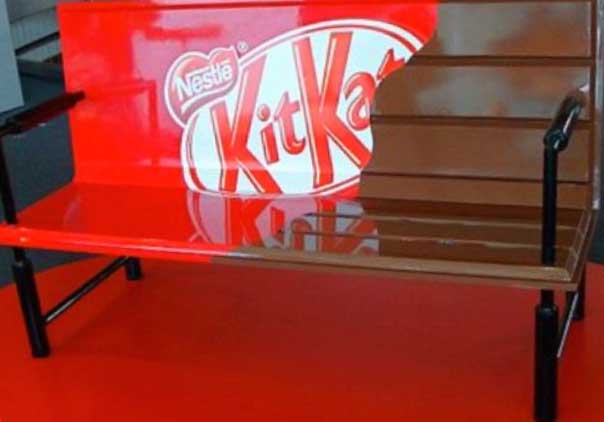
Ambient marketing is advertising displayed on environmental items, on almost any physical surface available. It is a collection of atmospheric knowledge, versatility, and productive use. From hand dryers in public toilets and gas stations through to bus hand ties and golf-hole cups, these kinds of advertisements can be found anywhere and anywhere.
ambient marketing

2. Ambush marketing:

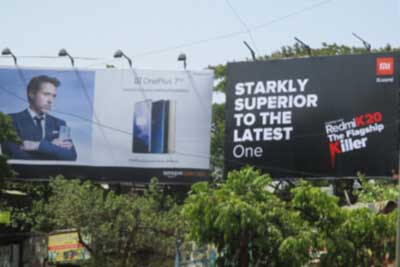
Ambush marketing is a form of associative marketing that an organization uses to focus on the visibility, advertising, goodwill, and other benefits of having an affiliation with an event or property without having an official or direct connection to that event or property. It is typically seen at major events where official sponsor rivals try to build an association with the event, and sometimes covertly raise awareness for their brands. For example, At the 2012 London Olympics, Nike had spots where they featured athletes from several cities named London (but without revealing the actual London or linking to the Olympic Games) intended to create a good association between London Olympics and Nike.
Ambush Marketing

3. Stealth Marketing:

Stealth marketing is a deliberate act of, or attempt to, reach, operate, or exit a market in a furtive, clandestine, or imperceptible manner.

sleath marketing

4. Viral / Buzz Marketing:

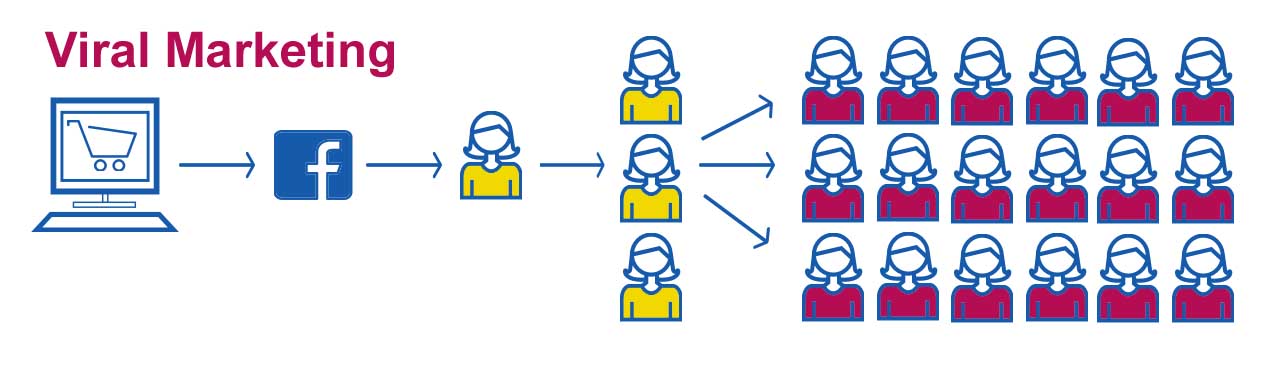
Viral marketing describes any technique that allows individuals to communicate a brand message to others, creating opportunities for rapid growth in the visibility and effect of the product. These techniques, such as viruses, leverage accelerated replication to blast the message to millions, or thousands. Viral marketing is referred to as “word-of-mouth” off the Internet, “creating a wave,” “network promotion,” “leveraging advertising,” but on the Internet, for better or worse, it’s simply “viral marketing.” Similarly, wave marketing employs high profile media to promote consumer interest in the brand or product. Buzz marketing performs best because consumer responses to a product or service are genuine and the company does not pay for the resulting endorsements. The noise created by marketing efforts for noise is called “amplified WOM” (word-of-mouth), and “Only Word of Mount” happens when consumer random buzz happens.
viral marketing

5. Grassroots Marketing:

Grassroots marketing seeks to win individual consumers over. An effective grassroots campaign is not about spreading the marketing message in the hope of paying attention to potential customers, but instead emphasizes a personal bond between the customer and the brand and creates a lifelong relationship with the brand.

6.  Astroturfing:

Astroturfing is the practice of hiding the sponsors (e.g. political, advertising, religious or public relations) of a message or group to make it look as though it comes from an individual in and is sponsored by a grassroots participant. It is a technique intended to provide authenticity to the claims or entities by hiding information on the monetary relation of the source.

7. Street Marketing:

Street marketing uses unorthodox ways to promote or advertise goods and brands in public spaces. The key purpose is to enable customers to identify and recall the label or product that has been advertised. As a branch of the guerrilla marketing, street marketing is synonymous with all marketing operations carried out in streets and public places such as parks, sidewalks, festivals, etc. Street marketing also includes outdoor advertising such as on shopping trolleys (shopping carts, in the USA), public toilets, car or public transportation sides, manhole coverings, footpaths, rubbish bins, etc. Street marketing is not just about commercial organizations. Companies use brand ambassadors to give product samples or coupon coupons, and address product questions while marketing the brand, is standard practice. A kiosk containing samples of the product or demonstration content may accompany the brand ambassadors, or they may wear a “rolling billboard.” Active customer contact has greater control power than conventional passive advertising. Street marketing is known not only to uses the public space but also the urban imagination: that of popular street art and culture. Because of its connections with the street culture, the Y-generation, which is largely made up of young urbanites (15 – 30 years old), is also placed forward as the most vulnerable group for the campaigns. According to Marcel Saucet and Bernard Cova, street marketing can be used as a general concept that involves six key forms of activity:

  1. Flyer or product distribution: this activity is more conventional and is the most common form of street marketing used by brands.
  2. Product animations: This involves customizing a high-traffic space using brand imagery. The idea is to build a micro-universe for a new product or service to promote.
  3. Human animations: These acts seek to create an environment where the meaning of the brand is conveyed through human interaction.
  4. Roadshows: This type of mobile display is focused on the creation of means of transportation: cab, bike, Segway, etc.
  5. Exposed actions: these operations include the customization of street features.
  6. Event actions: Spectacles such as flash mobs or tournaments take the shape of certain events. The aim is to encourage the importance of a good, service, or brand by planning a public event.

Guerrilla Marketing Principles

  • Measuring success through profit, not sales.
  • Instead of prioritizing new clients, increasing the amount and scale of current customers’ purchases and obtaining referrals are given priority.
  • Target communications at small communities, rather than large markets.
  • Focus on obtaining the consumer’s permission to give them more details.
  • Commit to advertising, seeking a successful pace, instead of any time producing a new post.

Guerrilla Marketing Pros & Cons

Pros in Guerrilla Marketing

  • Inexpensive to execute: By using a plain stencil or a giant sticker, the promotion of guerrillas appears to be much cheaper than traditional ads.
  • Gives imaginative thinking: Imagination is more critical than budget with guerrilla marketing.
  • Grows with Mouth-of-Word: Guerrilla marketing is heavily dependent on word-of-mouth marketing, considered one of the most powerful weapons in a marketer’s arsenal by many. There’s nothing better than getting people to talk their own way about your campaign.
  • Publicity will ball of snow: Any especially interesting or special publicity campaigns for the guerrillas would be picked up by local (and even national) news outlets, resulting in an advertisement force that advertisers drooling over.

Cons in Guerrilla Marketing

  • Hidden signals may be confused.
  • Guerrilla marketing campaigns also have an air of ambiguity and whilst this sense of mystery can also propel the interest and awareness of a campaign, the lack of clarification can often distort the perception of the viewer.
  • The confusion associated with marketing campaigns for guerrillas may have serious consequences, such as when blinking LED circuit boards advertising a new animation film, Aqua Teen Hunger Force, were secretly placed across Boston City in 2007. The items were mistaken for explosive devices, creating chaos across the city when bomb squads were called in to investigate the suspected devices and destroy them.
  • The hired installers had even been arrested for mounting “hoax devices,” but released later. While the naming of this campaign as a failure would be straightforward, the news has been picked up by major television networks around the world, and others will actually call it a victory gave the entire debacle.
  • Intervention by the authority: Certain forms of guerrilla marketing, such as unpermitted street graffiti, can contribute to conflict with authorities.
  • Unpredicted obstacles: Certain techniques in guerrilla marketing are vulnerable to poor weather, scheduling thrown, and other minor incidents that could quickly threaten to sabotage a whole operation.
  • Potential backlash: Sophisticated viewers can call out companies who do not approve of guerrilla marketing campaigns. This is true for covert ad activities – expect to face the wrath if you’re caught.
  • There is no question that guerrilla marketing will produce incredible results by encouraging marketers to exercise their imagination in a creative way, but it can only succeed with businesses who are not afraid of taking risks.

What kind of Guerrilla marketing is Effective?

Guerrilla marketing was structured specifically to reach current consumers, rather than new ones, with the goal of increasing their loyalty to a product and/or brand. A demographic that already identifies with the commodity at any stage is the ideal choice when targeting consumers for a tactical message; it would be easier to understand and adapt to innovative strategies, and more likely to share the experience with their peers.

Social media is now a significant part of the consumer environment, online guerrilla marketing has proven especially successful. Consumers who use social media on a daily basis are more likely to post their experiences with guerrilla marketing, and innovative advertisements will go viral quickly.


Step by Step Process of Creating Guerrilla Marketing Strategy?

A guerrilla strategy starts with an innovative and entertaining concept, usually including not just the message material but its shape. Surprises and creative marketing approaches are the main ingredients for attracting customer curiosity.

A variety of creative methods may be employed — and indeed, using a combination of methods is one of the principles of guerrilla marketing. Graffiti (or reverse graffiti, where a filthy wall is randomly cleaned), immersive exhibits, public area capture experiences, flash mobs, or other Publicity tricks are often used. The ultimate marketing strategy will be coherent when using a range of approaches. Repeated sightings of the surprise message create curiosity and shifting messaging after each trick appears to confuse or diminish a consumer’s curiosity in the brand. The shocking message will encourage customers to share their discovery with friends. There, mobile phones’ omnipresence works for covert marketing. The strategy must be something fresh and unique to attract customers. Those delighted with the unique message will share it this way. Each “oh, check this out” photo a customer sends to a friend is more advertisement. And because this commercial comes from a relative rather than from the vendor, it holds more interest. A positive occurrence causes a buzz — or even more so, it goes viral. It is much better to get people thinking about your product than to complain to others about your company. It takes with it an amount of difficulty to create a special experience. Specifically, an unnecessarily imaginative conversation may be misinterpreted.

If you Like this Article Please Hit the Like Button and Follow Us on our Facebook Page: PROJECTS4MBA

What Is Guerrilla Marketing? Most Effective Types of Guerrilla Marketing Read More »

Marketing Strategy of Swiggy – Swiggy Marketing Strategy

Marketing Strategy of Swiggy – Swiggy Marketing Strategy is discussed in this article.

In the year 2014 Swiggy was founded by Sriharsha Majety, Rahul Jasmine, and Nandan Reddy. It is online service delivery and food ordering system and has its headquarters in Bengaluru, Karnataka. It operates in major Indian cities including Bangalore, Bhopal, Indore, Chandigarh, Coimbatore, Chennai, Dehradun, Delhi, Guwahati, Hyderabad, Gurgaon, Jaipur, Kochi, Kolkata, Lucknow, Ludhiana, Mumbai, Mysore, etc. Swiggy owns Package Technology and aims to associate restaurants with the city’s foodies. Swiggy’s key approach is to make the food available to customers. Swiggy’s top customers include Burger King, Dominos, and Cafe Coffee Day, etc. Swiggy strives to stand out by having curated restaurant and service lists and has its own fleet that picks up restaurant orders and delivers them to customers. Swiggy raised $1.5 trillion in total and has been expanding in major Indian cities.

Marketing Strategy of Swiggy

Mission
Swiggy’s goal is to change the manner in which India eats.

Vision:
This is the first step in Swiggy’s dream of elevating the urban consumer’s quality of life by providing unprecedented convenience. Swiggy will provide its trading partners with unrivaled access to a mix of core assets to attract both current and new customers.

The tagline of Swiggy:
SWIGGY  KARO,  PHIR  JO  CHAHE  KARO!

Segmentation in the Marketing Strategy of Swiggy

Swiggy under demographic segmentation targets the youngsters. The segmentation ages include the teens, who will find it very convenient to deliver food at their doorstep, the next target group are college students as well as those who work at the workplace and find it difficult to visit their favorite restaurant.

However, the emphasis was on the consumers of the millennial and all of the brand-building efforts were made to make Swiggy their food ordering app. Swiggy has identified a consumer segment under behavioral segmentation that sees comfort when it comes to food and chooses to stay at home and have a fast meal.

The psychographic segmentation, it targets the customer who assumes that getting food delivered to them is better than driving all the way to the restaurant and avoiding all the traffic in the area. Swiggy targets people who would like to enjoy a relaxed lifestyle.

Target in the Marketing Strategy of Swiggy

Swiggy was able to appeal to the large target market and the features, ages, and attitudes of these audiences varied. Looking at the size of the market in India, Swiggy has a large population to target but its primary and ideal target demographic is between the ages of 18-35.

Swiggy target students at the college, working professionals or businessmen who have a nice lifestyle and who live in posh locations.

Positioning in the Marketing Strategy of Swiggy

Swiggy not only made the food delivery an extended arm of restaurants and made a good profit from this company. Swiggy’s key marketing tool is an app that helps clients get the food they want, wherever they want.

All the marketing efforts made by my Swiggy have helped to build the impression that Swiggy makes life simple and comfortable for its customers and offers the best customer experience and strives to please both the partner restaurants and the customers with the services.

It’s going to revolutionize how people consume their food. This has the slogan “no customers go hungry” and with a click of the button lets customers connect to their favorite restaurants.

Distribution under the Marketing Strategy of Swiggy

Swiggy has the plan to distribute the Hyperlocal product. It has a plan to diversify distribution. It aims not only to render the food distribution, but also to establish a distribution network for medication, pharmacy, gift shops, and flower shops and capture a greater share of India’s supply market. Swiggy has recently launched Swiggy Groceries and Genie Delivery.

Marketing Strategy of Swiggy

This is the idea of “Swiggy shops” that will be unveiled at Gurugram for the first time and has already partnered with 3500 shops. It also aims to expand its services across all of India’s emerging cities and capture market share.

Swiggy has a business plan to acquire restaurants and its own supply-partner fleet. Swiggy has a dual relationship arrangement as it helps both consumers and restaurants receiving orders for food.

Brand value in the Marketing Strategy of Swiggy

Swiggy has mastered the idea of taking the food & products to the consumers. Swiggy has become extremely popular among India’s millennial customers. Swiggy has created a good brand value in terms of food delivery in India.

Swiggy now plans to set up kitchens for higher sales jointly with restaurants. It also aims at extending its services to Swiggy stores and increasing its supply business to include other goods. Restaurants claim to be having 50 percent of their order from Swiggy and 20-25 percent from Zomato, according to a survey.

Swiggy obviously has more market share in the distribution sector and is one of India’s highest-funded startups. The Swiggy brand name has become a synonym for fast food in the mind of the consumers and Swiggy’s expanding company will prove to be a successful strategy.

Competitive advantage in the Marketing Strategy of Swiggy

The sharp emphasis on logistics: Swiggy seeks to manage the entire supply chain of the experience of the consumer and this approach has helped to prevail in the market place. Swiggy has done a lot of things well and one of them is an outstanding emphasis on the operation’s logistics.

From the outset, Swiggy realized that cracking the distribution market was creating a robust logistics network out of which Swiggy developed a sound and sustainable business model.

Business strategy

In 2014, Swiggy was a late entrant in online food supply and ordering rooms, but it has now become a billion-dollar business, and Zomato is now playing catch up. Swiggy has its own growing fleet of supply partners and the fleet is growing with 1.25 lakh partners currently operating.

This has helped Swiggy to fulfill its promise of delivering food to customers with just one tap within 30 minutes. Swiggy recently introduced the Swiggy Access kitchen, the ready-to-occupy kitchen provided to restaurant partners rent-free access with all the required amenities, Swiggy aims to provide restaurant owners with assistance in optimizing their kitchens with regard to demand forecasting, stock planning, and order editing, etc.

Technology focus on the Marketing Strategy of Swiggy

Swiggy is a food technology business with a key logistics platform, and Swiggy leverages heavily technology to help clients and delivery get the best service. All conditions are analyzed with the aid of data analytics such as traffic conditions, estimate the restaurant preparation time based on the number of orders, the position of delivery managers to smartly deliver the delivery time, and pledge to end customers.

The restaurants of the partnership get a snapshot of all the main operating indicators and all the financials. In the context, Swiggy has analytics engines that mine customer data to assess tastes and help Swiggy’s restaurant partners with the right ones.

Competitive analysis in Swiggy’s marketing strategy: The Indian food supply market is estimated at $15 trillion, and is expected to rise exponentially. It has now grown into a very competitive market. Zomato and other start-ups like Foodpanda and Faasos face intense competition from Swiggy.

Zomato has also grabbed Swiggy’s market share by providing the price-conscious Indian customers with cheaper and better quality food. Google also released its distribution app called Areo in Mumbai and Bangalore.

Food Delivery Market is getting tougher for Swiggy. Both Swiggy and Zomato have increased their spending by offering bonuses and discounts as they compete for dominance. Swiggy’s current burning is estimated at over $16 million, and Zomato’s at around $17-18 million.

To remain ahead of the competition Swiggy needs to be more innovative with its business model.

Marketing Strategy of Swiggy - 2

Customer analysis

Swiggy has two main clients, the people who order food through the app are the restaurants through which it receives fees. The key groups of consumers are those people who don’t want to go out to eateries and restaurants to buy food.

People who want to buy food in their doorstep and want it delivered online. The recent expansion of the company is through grocery stores, electronics, flower stores, and gift shops.

Promotion Strategy: Swiggy is now a well-known brand, not just because of its quality services, but also because of its excellent social media strategy. Swiggy has 174 K followers on Facebook itself which is the largest among the competitors. Every Swiggy campaign is exceptional because it is highly engaging and interactive.

Swiggy Facebook posts are fun, quality, and based on humor. Campaigns like #SuperSwiggy, #EatYourVeggies, #EarnYourCheatMeal uses witty one-liners and punch to express the notion of eating safely. Swiggy has also used influencers to commercialize its services.

Swiggy also shows the number of offers, incentives, and recognition to build consumer brand loyalty.

Swiggy Customer Relationships

Swiggy has good relationships with customers. It offers active customer service 24/7 to assist clients anytime, wherever. Uses the services of ‘Customer Support Chat.’ It also has active social media accounts to which it promptly responds. It has developed excellent ranking, analysis, and feedback systems to keep in touch with its clients and partners.

Swiggy’s main resources

As it has relationships with local restaurants and stores, its primary resources are local partners.

To name a few, Swiggy’s bestselling restaurants include Biryani Blues, Keventers, BombayKery, Wok Paper Scissors, and Yogisthaan.

The main tools to handle logistical and operational processes are the service networks and their own human resources. Software is also another tool that it uses to run its software.

Swiggy Key Activities

The main activities include:

  • developing relationships with restaurants and retail stores.
  • Hiring vendors and service providers (full-time / part-time / freelancers).
  • Acquisition of clients and the care of their orders.
  • Managing the process of shipping and charging.
  • Functional Operations Management.
  • System upgrade and IT infrastructure development.
  • Handling of consumer and company questions and concerns.

Swiggy’s Key Partners

Swiggy’s Key Partners are Restaurants and Shops – Restaurants that want food delivery systems to offer food on-demand to customers. Other than eateries, Swiggy’s main partners are shops (such as pharmacy, grocery stores, etc.) that as Swiggy’s partner wishes to sell their own goods and services.

Few of Swiggy’s partners are famous groceries. While many online pharma players including MedPlus, PharmEasy, Medlife, and Myra are now collaborating with them on the exploratory talks.

Swiggy’s Cost Structure

Swiggy’s day-to-day operations will bear costs and expenditures. Its key sources of costs are:

  • payroll expenses for its staff and the supply partners.
  • It also contains perks and rewards Swiggy provides restaurants with.
  • Giving about 2-3 percent fee, for example.
  • Costs of implementation and the creation of websites.
  • Costs to operate and maintenance fees.
  • Costs on administration, advertisement, and marketing.
  • Additional costs offered to consumers in terms of promotional deals and benefits.
  • Costs for kitchen base construction and maintenance.
  • Returns, deductions, and costs vary.

Swiggy’s Revenue Model

How does Swiggy make money?

We need to evaluate Swiggy’s Business Model to get a definitive response. Swiggy’s revenue sources are also growing considerably as it extends its market plan and activities day by day.

There are currently primarily 7 revenue sources from which Swiggy makes money:

  • Delivery charges: its customers are the first form of the revenue stream that Swiggy receives. Customers will be paid a nominal delivery fee from Rs. 20 to Rs. 40 on orders below a maximum amount of Rs. 250. Swiggy raises the charges during high demands of the order or extreme weather.
  • Commissions: Swiggy is gaining another major part of the contract revenue stream. It receives commissions from restaurants to produce sales leads through Swiggy’s fleet and deliver their food products. Restaurants will pay 15 to 25 percent for any order put on the website of Swiggy.
  • Advertising: Swiggy receives advertising revenue in both ways: Banner Ads – Swiggy promotes and shows advertisements from various restaurants on its app. Restaurants, linked to various regions, are granted greater exposure through the promotion of banners and the paid price for the page displayed.
  • Restaurant preference ranking: Swiggy pays premium rates for restaurants to offer them preference in the list of restaurants eligible. If a restaurant wishes to be placed higher on the list, it will pay significantly.
  • Swiggy Access: Swiggy came up with its Swiggy Access facility, a completely new idea based on the Cloud Kitchen model. It provides its restaurant partners with ready-to-use kitchen spaces in those places where they don’t work. With the goal of getting food closer to its customers, Swiggy helps restaurants to set up their kitchens in new locations and allow the food they obtain at the fastest pace. With about 25 percent of sales anticipated in 2 years, Swiggy is extending its cloud kitchen model to include 30 onboard restaurants with 36 kitchens into four new cities.
  • Swiggy Super: Swiggy launched a subscription scheme for consumers called the ‘Swiggy Super’ Swiggy provides free delivery unconditional for all orders above 99 to Swiggy Super Users. Upon subscribing to this plan, consumers during unreasonable demands will not have to pay the spike pricing.
  • Affiliate Profit: Swiggy receives income through collaborations with many financial institutions such as HSBC, Citibank, and ICICI Bank. This affiliate revenue is a recent and effective income stream of which all parties profit. It also helps clients to obtain several credit card deals from certain financial firms.

If you Like this Article Please Hit the Like Button and Follow Us on our Facebook Page: PROJECTS4MBA

Marketing Strategy of Swiggy – Swiggy Marketing Strategy Read More »
Marketing Mix of ICICI Bank [Step by Step Guide]

This article is on the Marketing Mix of ICICI Bank. ICICI Bank (Industrial Credit and Investment Corporation of India) is the largest Indian Private Bank. In India, this global bank boasts in terms of market capitalization and its reserves being the second biggest. This bank was founded in the year 1994. The new chairman of the bank is Mr. Girish Chandra Chaturvedi and the CEO and Managing Director is Ms. Sandeep Bakhshi. ICICI Bank is committed to enhancing communication for a long-lasting partnership between the workers and the customers.

Marketing Mix of ICICI Bank

The Bank’s goals include developing and growing private enterprises with modern facilities. It has also taken “Go Green” initiative to build awareness among the public about the climate. ICICI Bank has built a portal that offers all its customers a single-handed choice of I internet banking and IVR banking under one roof.

In the banking arena, ICICI Bank has several rivals who inspire them to deliver their best possible services. Any of their chief industry competitors are as follows: State Bank of India, Axis Bank, Bank of Baroda, Bank of Punjab, HDFC Bank, Central Bank of India.

Via this article let’s address ICICI Bank Marketing Mix:

Products in the Marketing Mix of ICICI Bank

ICICI Bank offers a range of banking products for all its clients in the marketing mix of ICICI bank ICICI Bank. ICICI bank’s primary feature is its outstanding customer service. The bank is known for its 12-hour work and customer service programs beyond the box. This relies similarly on supermarket clients as well as corporate-owned consumers. Their financial offerings include:

  • Personal Finance – Which contains a range of deposits such as Investment Account, Revolving Account, Senior Citizen Special Accounts, Fixed Deposit Account, and Teens.
  • Cards – Gift cards, Credit Cards, Co-branded cards like IRCTC Cards, Travelcards, and Debit cards are included.
  • Investment banking – Consumers including Tax Saving Shares, Mutual Funds, Foreign Exchange Facilities, and Pure Gold Deposits are offered different choices.
  • Loans – Which include personal loans, loans for surgical supplies, loans for farm machinery, loans for cars, and loans against shares.
  • Financing-Platform financing is one of ICICI’s powerful goods in its kitty. Plus, the bank offers various types of Financing.
  • Corporate Banking Insurance – ICICI bank is known for its comprehensive insurance coverage portfolio.
  • Wealth management Private banking potential loans – Most banks make an enormous amount of profit from loans deal. ICICI has several fail-safes in order to ensure that only the best borrowers are given loans.

ICICI Bank launched a Special app called ‘ICICI Bank’s Pockets’ helped its customers conduct a range of financial transactions through Twitter. Access to this app was made possible by signing into the customer’s Facebook page. If the target page is reached, the user must complete their online registration with the aid of the Debit Card number and the Pin code.

This software has proved to be a veiled blessing for consumers because it is helpful and saves lots of time. Payments, reloading the prepaid wallet from cell phones, booking seats at cinema halls, viewing Demat balances and savings account receipts, opening a revolving account, and updating the debit card are some of the choices with this device. The software also helps a party to break up on Facebook and discuss expenses. Pass of funds to friends is possible here without bank information.

Ad by Interest Perception ICICI Bank has launched some new items such as the ‘My Savings Incentive’ and ‘I Hope’ deposit plan to its portfolio. It shows ICICI bank acknowledges that simplicity is one of the big things they can give their customers for a deposit. Convenience, however, comes with a security risk and so ICICI guarantees that consumers are delivered such services with security vulnerabilities in place.

Place in the Marketing Mix of ICICI Bank

ICICI Bank has expanded across the globe and has subsidiaries and branches in 19 countries such as Russia, the UK, Canada, Singapore, the US, Hong Kong, and Qatar.

ICICI Bank has a massive infrastructure with 15589 ATM’s and 5275 branches in India. Relevant sites for setting up ATMs and branches are shortlisted and optimized in order to offer access to the highest number of individuals. The health and protection of all bank staff and customers is kept in mind when setting up these locations. ICICI Bank has 84922 Employees.

Marketing Mix of ICICI Bank 1

These places serve as a medium of delivery for the banking facilities where services are offered 24 * 7 at all times. The idea of Online banking and the use of technology for any form of service is welcomed. Many of its branches are modernly fitted. The bank has opened numerous information centers where you can address any of the relevant queries.

ICICI Bank has introduced the DSA & DST model. ICICI’s direct sales agents and staff meet the customer at his house, rather than telling him to come to the branch. That has helped them draw more customers.

Price in the Marketing Mix of ICICI Bank

Service Charges and Fees for various products like credit cards, loans, and other services are as per the industry norms and standards.

Provides its valued clients an array of financial services. It has a pricing strategy which is very simple. ICICI Bank struggles with a dynamic market and so it has a strategy requiring improvisation at each stage. Bearing in mind the value-added approaches of the bank and assessing the attitude of the consumer and the economic developments happening in the industry are made. When you equate it to PSU’s or even second-tier banks like Kotak Mahindra, though, then ICICI can clearly be seen as a priced premium bank.

ICICI Bank targets a significant part of market share, as its strategy requires sales by volume. This has already begun an aggressive procurement campaign including low-cost acquisitions. The key goal of the bank is to reduce competition in the financial industry. The bank provides loans and services to retain its customers. The rates are measured at regular intervals and modified to match both bank and consumer needs and demands.

In 2012 ICICI Bank launched a new initiative ‘My savings incentive’ under its Appraisal Scheme. Customers are awarded points in this system as incentives for all purchases which are made in the bank’s savings account. Points are automatically issued for various transactions such as internet banking, online shopping, bill payment, automatic debiting of saving accounts on every monthly increment, etc.

Promotions in the Marketing Mix of ICICI bank

ICICI Bank is following an aggressive promotional strategy to beat its competitors. The advertising approach of ICICI Bank involves direct and indirect customer contact. In addition to stressing the upgrading of the banking infrastructure, the emphasis is also placed on the advantages of utilizing the services of the banks. The value of each company is illustrated in such a way that the consumers are fascinated and are encouraged to understand this bank’s services.

Ads were put in the print media under the branding plan, and prominent celebrities were roped in for the visual coverage. Hiring Shahrukh Khan, the famous star, in the commercials, has been a big boost for ICICI Bank. All the advertising linked to the bank denotes ‘trust’ and this helped them immensely as trust is a precious asset in the world today.

Technology has been used to the full ability to track the desires and needs of the customer. ICICI and Amway have formed an agreement with a credit card that can be used globally. The bank has now connected with Indian Railways and other facilities are offered to the customer’s advantage.

The tagline of ICICI Bank is ‘Hum Hain Na’ very apt as it encourages trust, faith, and financial solutions for any customer. In its attempts to create a sophisticated identity of modern design, it was successful.

If you like this article you must Read SWOT Analysis of ICICI Bank – Click Here

If you Like this Article Please Hit the Like Button and Follow Us on our Facebook Page: PROJECTS4MBA

Marketing Mix of ICICI Bank [Step by Step Guide] Read More »
SWOT Analysis of ICICI Bank – ICICI Bank SWOT Analysis

This article is on the SWOT Analysis of ICICI Bank – ICICI Bank SWOT Analysis. The strengths and weaknesses in the SWOT Analysis of ICICI Bank are the internal factors while the external factors are opportunities and threats.

SWOT Analysis of ICICI Bank

SWOT Analysis is a tested management tool that enables a brand such as ICICI Bank to compare its business & results against competitors and industry. As of 2020, ICICI Bank is one of the banking & financial services industry’s leading brands.

SWOT Analysis of ICICI Bank

Strengths in the SWOT Analysis of ICICI Bank

  • India’s Second Largest Bank and First Largest Private Sector Bank.
  • ICICI Bank is the second-biggest bank in terms of overall assets and market share.
  • ICICI Bank has a Revenue of Rs. 67803 Crores (US 9.5 Billion).
  • ICICI Bank has 84922 Employees.
  • ICICI’s total assets are Rs. 4062.34 billion and reported a cumulative after-tax income of Rs. 51.51 billion, in 19 countries.
  • According to financial analysts, one of the major strengths of ICICI bank is its solid and consistent balance sheet and financial statements.
  • In many banking and financial services, ICICI bank has first-mover advantage. ICICI Bank is India’s first bank to launch full mobile banking and jewelry card solutions.
  • The bank has about 2,567 branches and 8003 ATM’s in PAN India.
  • ICICI Bank is India’s first bank to connect life-style benefits to banking services for exclusive transactions and tie-ups with industry-leading brands. ICICI Bank has the longest operating hours and additional facilities available at ATMs attracting customers.
  • ICICI’s marketing and advertisement campaigns are of decent scope compared to other Indian banks.
  • ICICI Bank Services are good.
  • ICICI Bank is maintaining good Customer Relations.
  • Employees of ICICI Bank show more courtesy.

Weaknesses in the SWOT Analysis of ICICI Bank

  • Customer service for the ICICI segment is not doing well when it comes to complaining resolution.
  • Customer disputes against ICICI are high.
  • The ICICI bank has the most strict debt and loan repayment programs, and interest payments programs. They hire a third-party agency to handle the management of recovery.
  • Consumer attack and harassment issues often arise while recovery and credit payment notices are sent well before the deadlines that bother the customers.
  • The charges for the banking operation are comparatively growing.
  • ICICI employees are a bank in the utmost stress due to the management’s aggressive policies to win ahead in the race. In future years this can result in lower productivity.

Opportunities in the SWOT Analysis of ICICI Bank

  • In the next three years, Banking Sector growth is projected to rise at a rate of 17 percent.
  • In rural areas, the idea of saving in banks and investing in financial products is growing, as more than 62 percent of India’s population is still in rural areas.
  • ICICI Bank plans to open 1500 new branches over the next four years.
  • Because of its financial resources, ICICI will buy small and non-performing banks.
  • ICICI bank is expected to have a credit growth of 20 percent in the coming years.
  • ICICI bank retains the minimum sum of unrealized assets.

Threats in the SWOT Analysis of ICICI Bank

  • RBI allowed foreign banks to invest in Indian banking up to 74 percent.
  • Banks in the government sector are pushing to modernize the capacity to reduce customers moving to new age banks.
  • HDFC is ICICI’s biggest rival, and other emerging banks such as AXIS, HSBC place a significant threat.
  • NBFC and Mobile Payment Wallets are also emerging and become competitors of ICICI Bank.
  • The micro-financing groups have a large share in rural areas.
  • Though the acquisition of customers is high on one hand, the unsatisfied customers are rising and making them turn to other banks.
  • Emerging Technology is also a major threat to the Banks.
  • Cryptocurrency is also a threat to banks.

If you Like this Article Please Hit the Like Button and Follow Us on our Facebook Page: PROJECTS4MBA

SWOT Analysis of ICICI Bank – ICICI Bank SWOT Analysis Read More »
SWOT Analysis of BHEL (Bharat Heavy Electricals Limited)

This article is on the SWOT Analysis of BHEL (Bharat Heavy Electricals Limited). BHEL is an electrical equipment industry that was established in 1964 and has its headquarters in New Delhi, India. It is owned and established by the Government of India (GOI). BHEL has been awarded by Maharatna Status by the Government of India.

SWOT Analysis of BHEL

BHEL is the main manufacturer of power generation equipment, supplying various products, such as gas and steam turbines, electric engines, boilers,  electric locomotives, heat exchangers, generators, monitors, and switchgear, power electronics, automation & control devices, and transmission devices.

BHEL become a public limited company during the year 1991. It has built the ability over a number of years to manufacture tons of equipment for all sectors.

SWOT Analysis of BHEL1

BHEL carries out various operations such as the planning, development, manufacturing, testing, and servicing of a range of products. BHEL has an extensive network of about 17 manufacturing units, two maintenance units, eight support centers, four district offices.

It also has eight branches overseas, including seven joint ventures. BHEL has developed the competence to supply approximately 20,000 MW p.a of power equipment in order to satisfy the growing demand for power generation equipment.

BHEL has been moving goods and resources in its Power and Industry division for over 40 years. Its worldwide reach extended to about six continents across 76 countries.

SWOT Analysis of BHEL2

BHEL has strengthened its Quality base ever since its establishment. Throughout the time 1970-90, BHEL introduced Quality Manual for the whole enterprise, which includes programs, activities, procedures, and processes.

During this time, second-tier manuals were introduced, such as common technical protocols, evaluation schedules, process maps, non-compliance management schemes, and protocols. Until then, BHEL has been leading impression in India in the calibration method, production preparation, and efficiency circles.

Via this article let’s address BHEL’s SWOT analysis:

Strengths in the SWOT Analysis of BHEL

BHEL deep base in Engineering – BHEL has a solid technological basis and a secure industrial partnership. This is the main producer of power generation equipment supplying numerous items, such as gas and steam turbines, boilers, electric engines, electric locomotives, generators, heat exchangers, switchgear and monitors, automation, and control devices, power electronics, and transmission devices.

  • Continuous Profits – Since the year 1974 BHEL has produced continuous income and paid dividends. That is a great asset to the company.
  • Collaborator support – BHEL has fantastic collaborator support that has helped them get a lot of western technology and then turn it to fit the Indian conditions.
  • Huge Customer Base – BHEL has a large domestic customer base which contributes to the success and greater market impact.
  • Huge goods-BHEL produces approximately 190 goods and more than 30 different product categories.
  • Quality Goods-BHEL’s quality base is pretty solid. Throughout 1970-90, BHEL introduced Quality Manual for the whole enterprise, which includes programs, activities, procedures, and processes. During this time, second-tier manuals were introduced, such as common technical protocols, evaluation schedules, process maps, non-compliance management schemes, and protocols. Until then, BHEL has been leading impression in India in the calibration method, production preparation, and efficiency circles.
  • Research & Development-BHEL has always had a heavy emphasis on creativity and growth. It has contributed to the production of many goods and services which are technically successful. Their Research & Development wing laboratories include Permanent Magnet Machines, Insulation and Chemical Sciences, Intelligent Machine Control, Electrical Devices, Power Electronic Systems, High Voltage Electronics, GIP, and Switchgear Production, and more.
  • Employees Safety And Welfare – BHEL is giving special emphasis on employee safety and welfare as Employees are the key assets of the company. BHEL is providing free medical treatments to its retired employees and current employees free of cost. Subsidized Loans, Bonuses, etc are also provided by the company to retain employees.
  • Huge Space for Development / Manufacturing of Products.
  • 24 Hours Working in Shifts.
  • Proper Training is Provided in the company.
  • Six Sigma Management Techniques are implemented in BHEL.
  • BHEL has good resources to complete any type of order.
  • BHEL has maintained good industrial relations with its Employees and Trade Unions.

Weakness in the SWOT Analysis of BHEL

  • The inability for Other Operations – There have been few circumstances in which BHEL has had the inability to provide manufacturer loans, power plant funding, and soft loans.
  • Longer distribution times – By taking more time than foreign rivals, BHEL delivers goods this is because of the size and weight of the products. This may be a vulnerability that would have a major effect on the market, with longer production times.
  • Less marketing infrastructure – BHEL lacks efficient marketing infrastructure, which is, in reality, a business weakness.
  • The procurement process-BHEL’s procurement process is complex and subject to auditing.
  • PSU Status – PSU status for BHEL is also another limitation because it is subject to the laws and regulations. It is required to bear immense quantities of energy, which can not be that.
  • Criticism – A joint venture is the BHEL plant, a 1340-megawatt coal-fired power station situated in Rampal near the Sundarban Mangrove Forest for Bangladesh-India Friendship Power Company. This project attracted a lot of backlash for affecting the ecosystem and the possible damage it could bring to the world’s largest mangrove forest.

Opportunities in the SWOT Analysis of BHEL

  • The market for Power Sector – There’s a big market in the power domain for more equipment to be made. It represents an immense potential for BHEL.
  • Aging power plants – There are many plants that are very old and need maintenance and spare parts as BHEL is in the market for a long time. In doing so, BHEL will achieve production faster and offer more business exposure.
  • Expanded Private Sector Involvement – BHEL also sees a safer work climate and expanded engagement by the private sector in the activity of distribution circles.
  • Improvement in the Defense Spending – An improvement in the defense budget gives BHEL a lot of potentials as it would increase its top line.
  • Joint Venture with Siemens – Power Plant Quality Improvement Ltd, which is a joint venture with Siemens, is a collaboration that would be profitable and offers the company a great deal of reach.

Threats in the SWOT Analysis of BHEL

  • BHEL is facing a lot of pressure from foreign as well as national firms.
  • Business associations-industry associations have significantly decreased the turn-over of the organization. In reality, this is a big challenge for the organization.
  • Rise in Small Contractors – A growing number of Small Contractors is a big challenge to BHEL contributing to price wars.
  • New Entrants in the Industry – The advent of new business entrants is often a major danger to the organization.

#SWOT Analysis of BHEL, #BHEL SWOT, #BEST SWOT

If you Like this Article Please Hit the Like Button and Follow Us on our Facebook Page: PROJECTS4MBA

SWOT Analysis of BHEL (Bharat Heavy Electricals Limited) Read More »

Most Expensive Cars In The World

Everyone wants to buy the most luxurious and the most expensive cars in the World. Ranking of 20 Most Expensive Cars in the World is done according to their prices. The following list of cars and statistics has been collected from different sources across the internet and websites of their respective manufacturers.

These are the most expensive car in the world – Expensive Cars

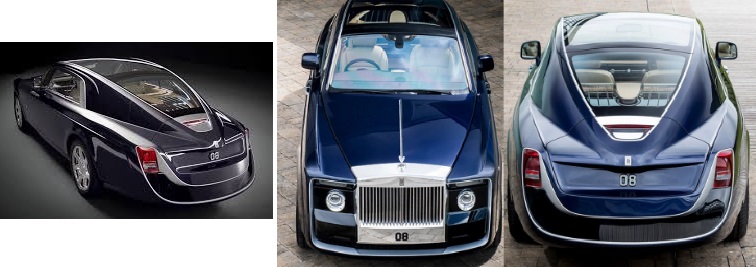
1. Rolls Royce Sweptail: $13 Million

Most Expensive Cars – Rolls Royce Sweptail. Dominating the top position on our list of the most expensive cars is what can only be described as one jaw-droppingly beautiful creation of handcrafted magic.

Most Expensive Cars - Rolls Royce Sweptail
A powerhouse of automotive design and engineering, the Rolls-Royce Sweptail is a one-off luxury peace manufactured in the U.K. by Rolls-Royce Motor Cars.
Commissioned in 2013 for a super-yacht and aircraft expert, who does not reveal Rolls-Royce’s name.
At the annual Concorso d’Eleganza Villa d’Este event in 2017, the Sweptail made its debut as the most expensive car in the world

It has outperformed all its rivals and remains one of the most luxurious cars ever!

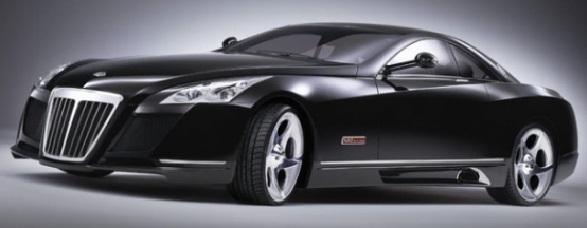
2. Mercedes Benz Maybach Exelero: $8.0 million

Most Expensive Cars – Mercedes Maybach Exelero. The Maybach Exelero from Mercedes Benz is in 2nd position on our list of most expensive cars.
Despite its peculiar looks, it’s one hell of a high-performance four-seater sports car with a V12 twin-turbo engine.

Most Expensive Cars - Mercedes Benz Maybach Exelero
A German subsidiary of Goodyear, Fulda, commissioned him to test their unique array of Carat Exelero tires.
The Exelero appeared in one of Jay-Z’s music videos, and according to Top Gear, was owned by rapper Birdman. This car is at no 2nd position in our most expensive car in the world list.
This has a spectacular top speed of 213 mph.

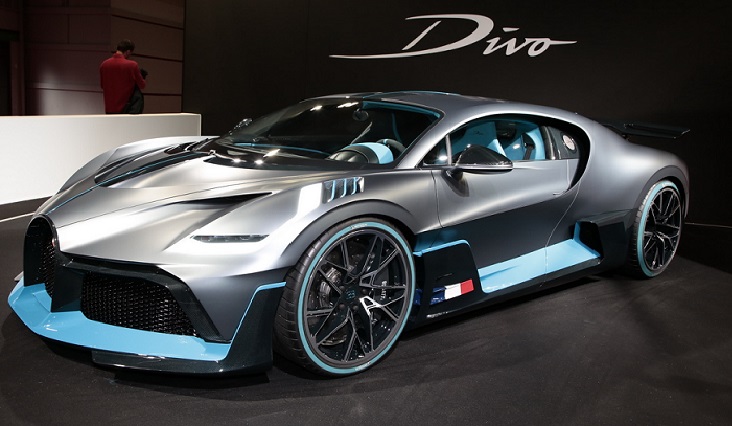
3. Bugatti Divo: $5.8 million

Most Expensive Cars – Bugatti Divo. The Bugatti Divo is a mid-engine sports car built with a track-focused design and produced by Bugatti Automobiles S.A.S. It was named after French racing driver Albert Divo, who won the Targa Florio racing for Bugatti twice in the 1920s.

Most Expensive Cars - Bugatti Divo

Bugatti says the DIVO is the most agile and versatile car they ever built.

Restricted to 40 units, the car had been pre-sold to Chiron owners by special invitation from the dealers before the public debut. It sold out on its first available day.
This car is at no 3rd position in our most expensive car in the world list.
Top speed-a 236 mph cut!

4. Koenigsegg CCXR Trevita: $4.8 million

Most Expensive Cars – Koenigsegg CCXR Trevita. Planned to be limited to only three vehicles, the CCXR Trevita cost so much to produce, Koenigsegg wanted to make the car even more exclusive and to restrict the number to just two.

Most Expensive Cars - Koenigsegg CCXR Trevita
Some of its features include a carbon fiber finish with a diamond pattern, a special double carbon rear wing, an Inconel exhaust system, ABS carbon-ceramic brakes, and a tire pressure system.
The car mentioned above is from a small collection owned by Floyd Mayweather. This car is at no 4th position in our most expensive car in the world list.

It has a maximum speed of 254 mph!

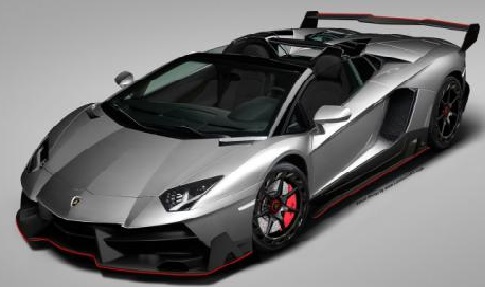
5. Lamborghini Veneno Roadster: $4.5 million

Most Expensive Cars – Lamborghini Veneno Roadster. Lamborghinis poisonous Veneno starts the top five countdowns. This car is at no 5th position in our most expensive car in the world list.

Most Expensive Cars - Lamborghini Veneno Roadster
Veneno in Spanish means venom or poison and the car certainly gives off a deadly presence.
The Veneno was produced on the basis of the Aventador to commemorate the 50th anniversary of Lamborghini and was showcased at the Geneva Motor Show 2013.
It can hit 60 mph in 2.9 seconds and it is the price tag that makes it one of the world’s most expensive production Cars.

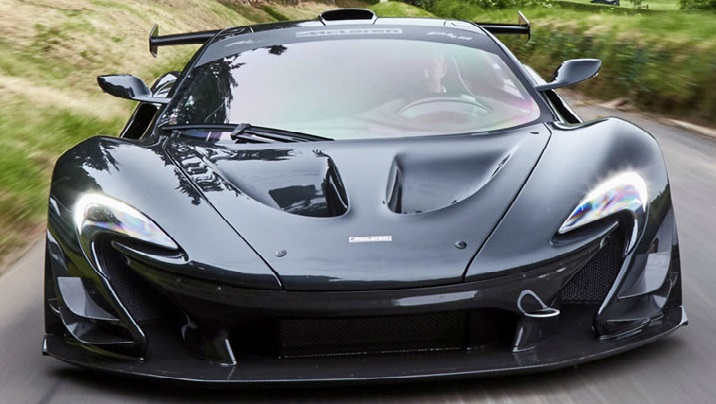
6. McLaren P1 LM: $3.6 million

Most Expensive Cars – Mclaren P1 LM. The McLaren P1 LM is more or less a street-legal variant of the McLaren P1 GTR track-only. Lanzante, a British corporation, bought the original P1 and adapted it for sale.

Most Expensive Cars - McLaren P1 LM
In total, six LM’s were made. Five had been sold to private buyers and the sixth, codenamed ‘XP1 LM,’ the prototype P1 LM, is now being used for production and research. This car is at no 6th position in our most expensive car in the world list.
The P1 LM features a twin-turbocharged V8 engine larger than the P1 and P1 GTR, and achieves a 214 mph maximum top speed!

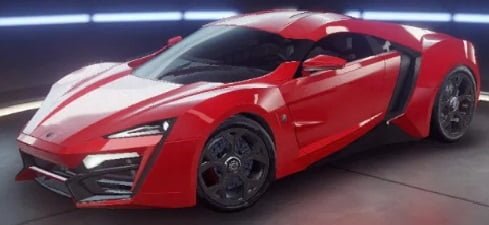
7. Lykan Hypersport: $3.4 million

Most Expensive Cars – Lykan Hypersport. Words can’t even explain how good this is. It’s the result of W Motors, a Lebanese motor company that has collaborated with engineers from both Lebanon and Italy.
The HyperSport was the first car in the world to have diamond-encrusted headlights (15cts). This car is at no 7th position in our list of the most expensive car in the world.

Most Expensive Cars - Lykan Hypersport

The buyers also had rubies, yellow diamonds, and sapphires to choose from.
The 3.8-liter-mounted twin-turbo engine produces 780 horsepower and 708 pound-feet torque.
All that power means that the car can attain speeds up to 240 mph!

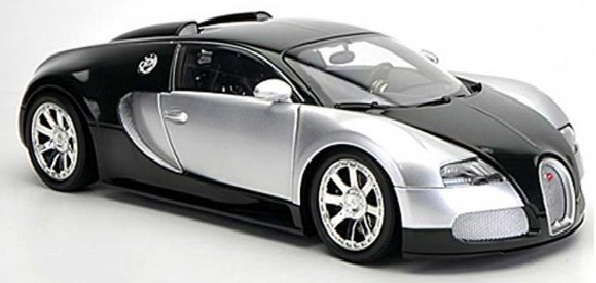
8. Bugatti Veyron by Mansory Vivere: $3.3 million

Most Expensive Cars – Bugatti Veyron Vivere. What a beauty!. The Bugatti Veyron Mansory Vivere limited edition is just beautiful. Modeled on the Grand Sports Vitesse Roadster, this expensive car has an 8.0 L W16 engine producing 1.200 hp. It is one of the world’s fastest cars and the original version was manufactured in the Decade Car of 2000-2009.

Most Expensive Cars - Bugatti Veyron by Mansory Vivere
Attaining a top speed of 253 mph. This car is at no. 8th position in our most expensive car in the world list.

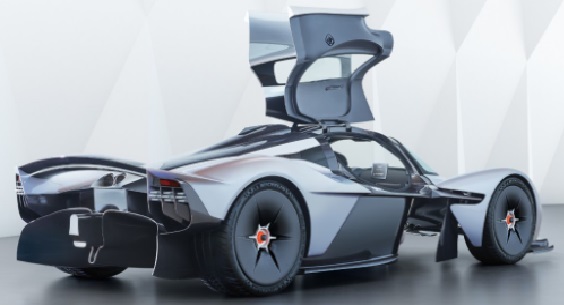
9. Aston Martin Valkyrie: $3.2 million

Most Expensive Cars – Aston Martin Valkyrie. The first cars on our list that is the product of multiple manufacturers working together. This car is at no. 9th position in our most expensive car in the world list.
British automaker Aston Martin has partnered up with Red Bull Racing and a number of other manufacturers to create this beast!
Developed as a road car-focused series, it now holds the title of the world’s fastest street-legal car.

Most Expensive Cars - Aston Martin Valkyrie
It houses a Cosworth-tailored 6.5-liter aspirated V12 engine with a power output of 1.130 hp!
Just 150 cars were produced.

10. Ferrari Pininfarina Sergio: $3 million

Most Expensive Cars-Ferrari Pininfarina Sergio. Breaking into the top ten is one of the most expensive cars on the list, Ferrari Pininfarina Sergio. The Pininfarina Sergio, launched as a concept car in 2013, was unveiled at the Geneva Motor Show in 2013. It was a tribute to the company’s former chairman and the legendary car designer Sergio Pininfarina who died only a year earlier.

Most Expensive Cars - Ferrari Pininfarina Sergio
The Ferrari 458 Spider was the basis of the build. Only six were made, and all sold to a group of individuals of high net worth. This car is at no 10th position in our list of the most expensive car in the world.

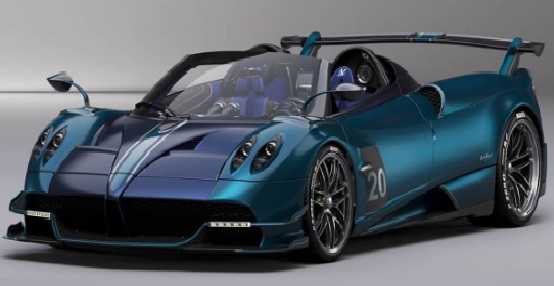
11. Pagani Huayra BC: $2.8 million

Most Expensive Cars – Pagani Huayra BC. One of the most expensive cars ever produced, the Pagani Huayra BC is truly an incredible achievement in automotive manufacturing.

Inspired by the Zonda R, Pagani has also increased the power, revised the chassis and brakes, and added a new 7-speed transverse gearbox.
It gets its name from one of the founders of Pagani, Benny Caiola, who was the founder’s first Pagani client and friend too. It’s easy to see how this supercar can get up to speeds of 261 mph with a 6.0-liter twin-turbo V12 engine!

Most Expensive Cars - Pagani Huayra BC
This car is at no 11th position in our list of the most expensive car in the world.

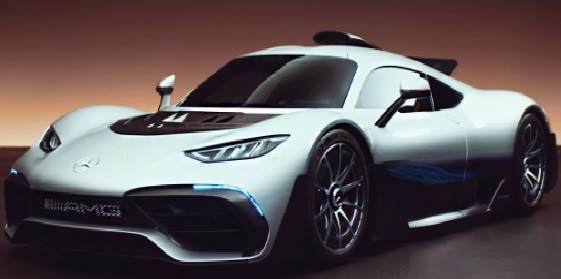
12. Mercedes-AMG One: $2.72 million

Most Expensive Cars-Mercedes AMG One. The guys at Mercedes Benz AMG wanted to make one heck of a hybrid sports car to celebrate their 50th birthday. The AMG One, unveiled at the 2017 International Motor Show in Germany, has sold out of all 275 units and will no longer be manufactured to maintain exclusivity.

Most Expensive Cars - Mercedes-AMG One
Selling out so quickly could have something to do with helping Lewis Hamilton build the car, or it’s a 1.6-liter turbocharged 90-degree V6 engine that produces a top speed of 217 mph!
Currently, the car is at the state of design, because it has not yet met the requirements on homologation. The car’s official name has been changed from “Project One” to just “One,” dropping the word “Project.” This car is at no 12th position in our list of the most expensive car in the world.

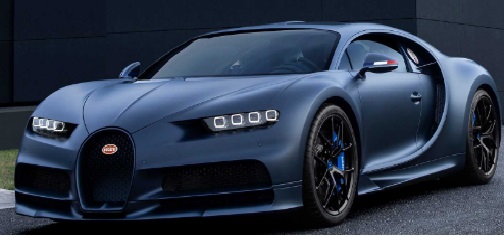
13. Bugatti Chiron: $2.7 million

Most Expensive cars – Bugatti Chiron. The Bugatti Chiron is a mid-engine supercar produced by Bugatti Automobiles S.A.S. It was first introduced at the 2016 Geneva Motor Show and allowed buyers to deposit $200,000. The speed of the Chirons is limited electronically to 261 mph, or 233–236 mph without a key. Its however estimated that its real top speed could be as much as 281 mph!.

Most Expensive Cars - Bugatti Chiron

This car is at no 13th position in our list of the most expensive car in the world.

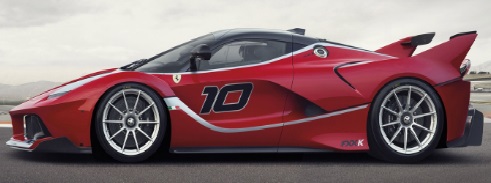
14. La Ferrari FXX K: $2.7 million

Most Expensive Cars – Ferrari La.Ferrari FXX K Built by Marco Fainello, Flavio Manzoni and architect Evan Rodriguez, the FXX K is based on LaFerrari road-legal. The FXX K is the research and development tool used by Ferrari, the K refers to the kinetic energy recovery system (KERS) that is used to optimize performance.

La Ferrari FXX K

This car is at no 14th position in our list of the most expensive car in the world. Between 2015 – 2017 a total of 40 cars were produced and are being kept and maintained by Ferrari, which is available for use on track days by their owners.

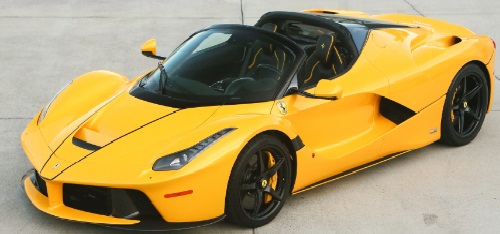
15. Ferrari LaFerrari Aperta: $2.4 million

Most Expensive Cars – Ferrari LaFerrari Aperta. It’s no wonder they’ve already made some of the most expensive cars in the world to have another Ferrari on the list.

Ferrari LaFerrari Aperta
In reality, this time it’s the Ferrari LaFerrari Aperta, its predecessor’s beefed-up version, released to mark Ferrari’s 70th year of operation.
If you like the LaFerrari, you’ll love this open-top hypercar because it’s more or less the same car except it’s on steroids!. All units were already pre-sold via an invitation to an exclusive list of customers according to Ferrari. This car is at no 15th position in our list of the most expensive car in the world.

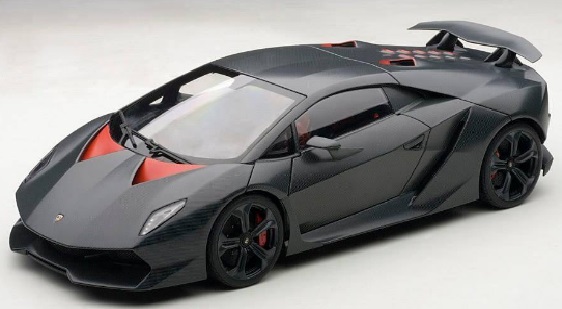
16. Lamborghini Sesto Elemento: $ 2.2 million

Most Expensive Cars – Lamborghini Sesto Elemento. The elegance of this one! Lamborghini said this car would redefine the future of supercars. The Sesto Elemento is a lightweight track-only car making its debut at the 2010 Paris Motor Show, that’s the name refers to the atomic number of carbon, in appreciation of the extensive use of carbon fiber by the vehicle.

Lamborghini Sesto Elemento
The Sesto Elemento comes fitted with a semi-automatic 6-speed transmission and a 5.2-liter V10 engine. This car is at no 16th position in our list of the most expensive car in the world.
Maximum speed-210 mph!!.

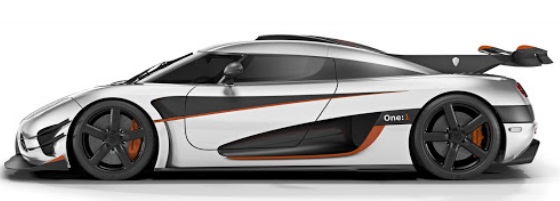
17. Koenigsegg One: $2 million

Most Expensive cars – Koenigsegg One. The Koenigsegg One has a 5.0-liter V8 twin-turbo engine and produces 940 horsepower, considered by Koenigsegg themselves to be the “Worlds First Mega Car.”. The car was introduced in 2014, and was one of the automotive industry’s most popular production vehicle projects ever envisaged.

Koenigsegg One
Another expensive Koenigsegg sports car but well worth its spot on our list of the world’s most expensive cars. This car is at no 17th position in our list of the most expensive car in the world.

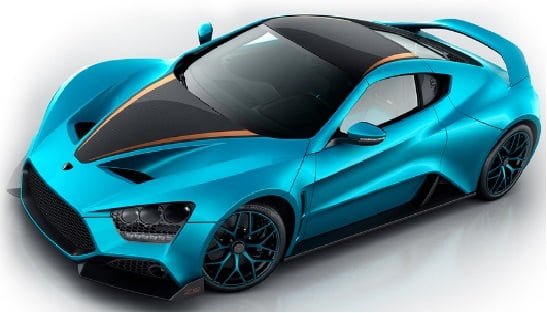
18. Zenvo TS1 GT: $1.9 million

Most Expensive Cars — Zenvo TS1 GT The Zenvo TS1 GT is a small sports car produced by Zenvo Automotive, a Danish automaker. It was unveiled at the Geneva Motor Show in 2016. While the TS1 GT shares a similar chassis and body with its predecessor, the ST1, its new powertrain, and updated interior, together with the ‘grand tourer’ certification, give it a new model designation. The car’s production is expected to be limited to 5 units per year, an improvement from its predecessor’s limited total production run of 15 vehicles.

Zenvo TS1 GT

The Zenvo TS1 has an improved interior and a 5.8-liter twin-supercharged V8 engine. This car is at no 18th position in our list of the most expensive car in the world.

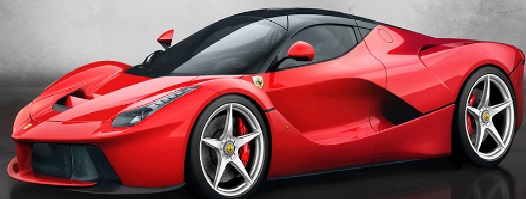
19. Ferrari LaFerrari: $1.4 million

Most Expensive Cars – Ferrari LaFerrari. LaFerrari, project name F150 and not officially referred to as the Ferrari LaFerrari or Ferrari F150, is a limited production hybrid luxury car designed by Ferrari, an Italian automaker. In Italian language, LaFerrari means “The Ferrari,” in the sense that it is the “definitive” Ferrari.

The sports car is the last Ferrari model with a 12-cylinder mid-mounted engine.

Ferrari LaFerrari

Obviously a powerful head turner, this limited production hybrid sports car was one of the most ambitious projects Ferrari has put forward.

The target with this car, Ferrari says, was to move all the pre-existing technology boundaries into a road car. This car is at no 19th position in our list of the most expensive car in the world.

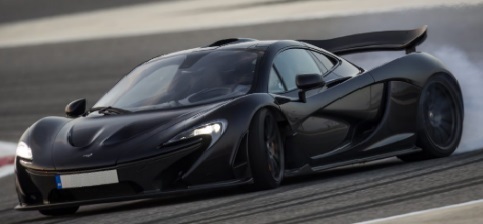
20. McLaren P1: $ 1.15 million

Most Expensive Cars-McLaren P1 Starting off our list of the world’s 20 most expensive vehicles is the McLaren P1.

McLaren P1

The McLaren P1 is a plug-in hybrid sports car manufactured by British automotive maker McLaren Automotive, with limited availability. Debuting at the 2012 Paris Motor Show, P1 sales started in the United Kingdom in October 2013, and by November all 375 units had been sold out. Output ended at the beginning of December 2015. The United States accounted for 34% of units, while Europe accounted for 26%.

The automobile press is considered the successor to the F1, using electric fuel and Formula 1 technology, but does not have the same configuration for three seats. The Speedtail was later reported to have acted as the real successor to the F1. The P1 has a mid-engine, rear-wheel drive configuration using the MonoCage safety cage concept of carbon fiber monocoque and roof structure, which is a refinement of the MonoCell used first in the MP4-12C and then in subsequent versions. The LaFerrari and the Porsche 918 were its main rivals. Both of them are close in terms of requirements and results, and in a race around the Silverstone circuit they were all within half a second of each other, the P1 finishing first at 58.24 seconds and the LaFerrari finishing last at 58.58 seconds; the 918 was in between at 58.46.
After the initial run of 375 vehicles, 58 units of the track-oriented P1 GTR and 5 units of its legal counterpart, the P1 LM was made.
13 ‘XP’ experimental vehicles, 5 ‘VP’ testing vehicles, and 3 ‘PP’ pre-production cars were produced by McLaren before the start of production of the P1, some of which were refurbished, updated and sold to customers. Moving on from the legendary McLaren F1, the British maker McLaren Automotive launched this limited edition hybrid supercar in October 2013.

Ironically, owners in the United States bought 34 percent of all vehicles, followed closely by 26 percent in Europe.

All 375 automobiles sold out within one month of launch. This car is at no 20th position in our list of the most expensive car in the world.

Final List of the Most Expensive cars according to the price

1. Rolls Royce Sweptail – $13 Million
2. Mercedes Benz Maybach Exelero – $8.0 million
3. Bugatti Divo – $5.8 million
4. Koenigsegg CCXR Trevita – $4.8 million
5. Lamborghini Veneno Roadster –$4.5 million
6. McLaren P1 LM – $3.6 million
7. Lykan Hypersport –$3.4 million
8. Bugatti Veyron by Mansory Vivere – $3.3 million
9. Aston Martin Valkyrie – $3.2 million
10. Ferrari Pininfarina Sergio – $3 million
11. Pagani Huayra BC – $2.8 million
12. Mercedes-AMG One – $2.72 million
13. Bugatti Chiron – $2.7 million
14. La Ferrari FXX K – $2.7 million
15. Ferrari LaFerrari Aperta – $2.4 million
16. Lamborghini Sesto Elemento-$ 2.2 million
17. Koenigsegg One – $2 million
18. Zenvo TS1 GT — $1.9 million
19. Ferrari LaFerrari – $1.4 million
20. McLaren P1-$ 1.15 million


If you like this article like our Page on Facebook : Projects4MBA

Most Expensive Cars In The World Read More »

Impact of COVID-19 on Indian Economy

This article focuses on the Impact of COVID-19 on Indian Economy. Because of COVID-19, up to 53 percent of companies in India will be affected. Specific companies such as hotels and airlines are slashing salaries and laying off employees. An annual loss of 3,000 crores (US$ 420 million) has been reported in the live events industry. Supply chains were also placed under pressure with the constraints on lockdowns in place and lack of consistency in streamlining what is “important” and what is not. People working in informal sectors or daily wage groups are at risk. There is also confusion facing a huge number of farmers across the world who cultivate perishables.

impact of covid-19 on indian economy

In March’s third week, Amazon and Walmart-owned Flipkart revealed it would stop selling non-essential goods in India to concentrate on essential deliveries. Many fast-moving consumer goods companies in the country have dramatically decreased activities and emphasis on necessities. Larsen and Toubro, Bharat Forge, UltraTech Cement, Grasim Industries, Aditya Birla Company, Tata Motors, and Thermax have temporarily suspended or substantially reduced operations in India. iPhone manufacturers in India have stopped most operations. Young startups were affected as funding dropped. Indian capital markets reported their worst losses on 23 March 2020. On 25 March, one day after the Prime Minister declared a full 21-day shutdown, SENSEX and NIFTY reported their biggest gains in 11 years, adding a value of 4.7 lakh crore (US$ 66 billion) to investor wealth.

India’s government has proposed a number of steps to resolve the crisis, from food security and extra healthcare funds to sector-related benefits and tax extensions. On March 27, India’s Reserve Bank also announced a series of steps that would make available 374,000 crore rupees (US$ 52 billion) to the country’s financial system. On 29 March, during the lockdown, the government allowed movement of both necessary and non-essential goods. World Bank-funded $1 billion to help India to fight the coronavirus pandemic on 1st April. On April 3, the central government released further funds to the states to combat the overall coronavirus of 28,379 crore rupees (US$ 4.0bn). On 6 April a one-year salary cut was confirmed for president, prime minister, and parliamentarians.
The Press Information Bureau conducted a fact check on 24 March that reports about a financial emergency in India are false. A financial emergency has never been declared in India’s history. On 4 April, Indian leader Raghuram Rajan, former Reserve Bank, said that India’s coronavirus pandemic could be just the “greatest emergency since independence.”

Government actions for Impact of COVID-19 on Indian Economy

Impact of COVID-19 on Indian Economy

Timeline

On 21 March 2020, Union Cabinet approved 40,995 crore rupees (US$ 5.7 billion) incentives for electronic manufacturing.
Various state governments declared financial assistance for the unorganized sector’s people. On March 21, the Uttar Pradesh government decided to offer a direct money transfer of some 1,000 rupees (US$ 14) to all daily wage workers in the state, and on the following day, Punjab declared rupees3,000 (US$ 42) each for all registered state construction workers.
On 23 March it has been declared that Harayana workers, street vendors, and rickshaw drivers will receive assistance from 1,000 workers per week directly deposited in their bank accounts. Below Poverty Line families will be provided rations (including rice, wheat, mustard oil, sugar) free of cost for the month of April.
On 24 March, a 15,000 crore rupees (US$ 2.1 billion) healthcare fund was announced by the Prime Minister for the country.
On 24 March at 2:30 pm, the Minister of Finance made many economic notifications including the extension of final dates for the filing of GST returns and returns on income tax. The scheme 2019, tariff clearances and enforcement issues under the Customs Act and relevant regulations have now been extended to June 2020 for the purposes of Sabka Vishwas (Légacy Dispute Resolution).
On 25 March the Modi government declared 80 crores (800,000,000 people) across the country as the world’s largest food protection scheme. In a press conference, Cabinet Minister Prakash Javadekar declared a ration of 7 kg per month (including rupees 2.8 per kg wheat and a Rupees 3 per kg rice).
On 25 March in an order “Spitting Pan Masala will aid the spreading of COVID-19” the Uttar Pradesh Government prohibited the manufacture and sale of pan Masala.
A number of economic relief initiatives for the poor were announced on 26 March by the Minister of Finance. The Pradhan Mantri Garib Kalyan Yojana is financed in 170 000 crores (24 billions of US$) to provide both cash transfers and protection for food so that the lock-down does not lead anyone to hunger. Until at least three months, the beneficiaries of Pradhan Mantri Ujjwala Yojana will get free cylinders. This helps over eight crore families below the poverty line. State governments have been advised and directed by various orders, such as the allocation of district mineral funds for the health needs of the pandemic.
On 26 March the virtual ‘Extraordinary G20 Leaders’ Summit ‘was attended by India. To combat the pandemic effect, the G20 nations agreed to pump more than $5 trillion into the global economy. They decided to work together, improve, create a vaccine and make it available to the World Health Organization. They preferred to exchange knowledge, research and development materials and data on a timely and transparent basis. They also agreed to ensure seamless deliveries of vital supplies, in addition to increasing the manufacturing capacity for medical supplies.
On 27 March Governor Shaktikanta Das made a host of announcements, including three-month suspension of EMIs and a cut in repo rates, from the Reserve Bank of India (RBI). Many steps adopted would provide the financial system of the country with a total of Rs. 374,000 crore (US$ 52 billion). The government of Delhi has declared that they shall supply 400,000 food per day from the 28th. The Delhi government has founded over 500 hunger relief centers.
On 28 March in order to address these issues, the prime minister introduced a new fund called PM CARES.
On 30 March the UP government was announced to transfer around Rs. 611 crores (US$ 86 million) under the MNREGA scheme to 27.15 lakh employees.
On 1 April the RBI proposed further steps to counter the impact of COVID-19’s on Indian Economy. To provide relief to state governments, WMA and short-term liquidity were increased; exporters were also granted some relief in the form of relaxed repatriation limits.
On 2 April the World Bank has approved $1 billion in emergency funding for India to tackle the coronavirus label ‘India COVID-19 Emergency Response and Health System Preparedness Project’.
On 3 April To help counter coronavirus, the central government released about Rs. 17,287 crore (US$ 2.4 billion) to different states. The Ministry of Home Affairs approved Rs. 11,092 crore (US$ 1.6 billion) under the State Disaster Risk Management Fund for states as a relief.
On 6 April the President, Vice-President, Prime Minister, Governors, parliamentarians, and ministers declared a 30 percent annual pay cut for one year. It was also agreed to suspend the MPLADS for two years and move the money to India’s consolidated fund, around Rs. 7,900 crores (US$ 1.1 billion).

COVID-19 Economic Response Task Force for minimizing Impact of COVID-19 on Indian Economy

On 19 March 2020, Prime Minister Narendra Modi announced the creation of the COVID-19 Task Force for Economic Response. While there is no formal or official deadline for the preparation of aid plans, the mechanism for consultations with the relevant parties was begun immediately. The task force is chaired at the command of Finance Minister Nirmala Sitharaman. It was worried where the government would find funds to fight coronavirus and keep the economy going. Experts say the task force would have to investigate the NPA requirements for the non-organized industries, tax payment transactions, and income assistance. It has occurred in many countries, direct cash transfers are also considered for the most vulnerable. In consultation with RBI and ministries, the Ministry of Finance immediately began to review the sectors most affected such as aviation, lodging, and micro-sized companies. The Associated Chambers of Commerce and Industry of India (ASSOCHAM), an India-based leading trade group, sponsored the efforts entirely. In view of the effect of COVID-19, on 24 March, the Finance Minister made a series of economic announcements. On 26 March, among other statements, the Finance Minister announced further steps to help the vulnerable.

Economic Situation of Various Sectors / Industries

Manufacturing

Major Indian companies such as Larsen and Toubro, Bharat Forge, UltraTech Cement, Grasim Industries, Aditya Birla Group’s apparel, and retail arm, Tata Motors and Thermax have temporarily suspended or substantially reduced operations at a variety of manufacturing facilities and factories across the country. Almost all two and four-wheelers have stopped production until further notice. Many businesses, including Cummins which temporarily shut its offices across Maharashtra, decided to remain closed until 31 March at least. The shutdown facilities at Hindustan Unilever, ITC and Dabur India expect critical plants. After 21 days of lockdown orders, Foxconn and Wistron Corp, iPhone manufacturers, suspend their production. Because of the impact of COVID-19 on Indian Economy Manufacturing Industries are also affected.

E-commerce

Amazon revealed in the third week of March that it would stop selling non-essential goods in India so it could concentrate on basic needs. In Italy and France, Amazon also adopted the same approach. Walmart-owned Flipkart temporarily discontinued some of its offerings on its e-commerce website on 25 March, and will now sell and distribute essential products. BigBasket and Grofers also operated restricted services, with service delays due to the lockout. Delhi Police started issuing curfew passes for the distribution agents to make it easier for them to keep the supply chain open. E-commerce firms are still searching for legal clarification about what are essentials items. Because of the impact of COVID-19 on Indian Economy E-Commerce companies, are also affected.

Raw materials and spare parts

Because of the impact of COVID-19 on Indian Economy Raw material and spare part companies, they are also affected. Nearly 55 percent of India-imported electronics originate in China. In view of the coronavirus outbreak and subsequent lockout, these imports have now fallen to 40 percent. India is considering encouraging indigenous development as a countermeasure, in an attempt to minimize reliance on a single market. Furthermore, China is India’s third-largest export partner for exporting raw materials such as organic chemicals, mineral fuels, cotton, etc.; and a country lockdown is likely to result in India’s significant trade deficit.

Pharmaceuticals

The toll on the pharmaceutical industry is of major concern to India, as 70 percent of active pharmaceutical ingredients (API) are imported from China in particular. Such active pharmaceutical ingredients are important for a significant number of the country’s pharmaceutical manufacturing firms. As COVID-19 is rapidly moving across India, medication will be the number one customer demand, and as there is almost insufficient APIs to produce medicines, subsequent traders and the industry are witnessing rising prices. Vitamin and penicillin rates alone are now seeing a 50 percent raise.

Tourism

India is big on cultural and historical tourism, attracting domestic and foreign nationals throughout the year. It comes as no surprise that a great number of confirmed cases of COVID-19 in India include international tourists. But with visas suspended and tourist destinations shut down indefinitely, it is expected that the entire tourism value chain, which includes hotels, restaurants, attractions, agents, and operators will face losses worth thousands of crores. Experts agree that a huge impact is likely to take place in the tourism industry and it will end up destroying the industry for the near future.

Aviation

Because of the impact of COVID-19 on Indian Economy Aviation companies, are also affected. After the Government of India has indefinitely suspended tourist visas, airlines are said to be working under pressure. Close to 600 international flights to and from India were canceled for varying periods of time. Approximately 90 domestic flights were canceled, resulting in a sharp drop in airline prices, including on common local routes. Private airport operators have sought permission from the Government to introduce a small passenger facilitation fee on airfares to cover the increased cost of service.

Supply chains

Because of the impact of COVID-19 on Indian Economy Supply chains are also affected. After the lockdown, some key supply chains broke down. Britannia Industries, in support of the lockdown, urged the government not to hinder the interstate movement of raw materials for the food processing industry. The Managing Director of Britannia stated that “if even one link in the supply chain is broken, the country could run out of stock of packaged food in the next 7-10 days.” Although inter-state travel has been prohibited, it does not apply to essentials, and in places like Maharashtra, the state police are still in the process of streamlining the process, causing disruption of supply chains.

On 29 March, the Government allowed all essential and non-essential goods to move across the country during the lock-up. The milk and newspaper supply chains are also allowed to operate.

Impact of COVID-19 on Stock markets

Because of the impact of COVID-19 on Indian Economy Stock Markets are also affected. On 23 March 2020, India’s stock markets suffered the worst losses in history. SENSEX fell by 4000 points (13.15 percent) and NSE NIFTY fell by 1150 points (12.98 percent). However, on 25 March, one day after a full 21-day lock-down was announced by the Prime Minister, SENSEX posted its biggest gains in 11 years, adding a value of 4.7 lakh crore (USD 66 billion) to investors.

Estimation of Economic Loses

Barclays said that the cost of the 21-day shutdown will be around Rs. 8.5 lakh crore (US$ 120 billion) as well as the previous two shorter ones.

On 27 March, Moody’s Investors Service downgraded its estimate of India’s GDP growth by 2020 from 5.3% to 2.5%.

The Indian Industry Confederation (CII) has sought a fiscal stimulus package of 1% of India’s GDP, amounting to Rs. 2 Lakh Crore (US$ 28 billion). The fiscal package and fiscal policy approach is compared to what has happened in other countries, such as Germany, Brazil, and Japan. Jefferies Group also said the government could spend Rs. 1.3 billion lakh crore (USD 18 billion) to combat the impact of coronavirus. Bloomberg economists say that at least 2.15 lakh crore (US$ 30 billion) needs to be spent.

It is estimated that the tourism industry will lose 15,000 crores (US$ 2.1 billion) in March and April alone. CII, ASSOCHAM, and FAITH estimate that a large part of the country’s tourism workforce is facing unemployment.

Impact on Salaries

Because of Impact of COVID-19 on Indian Economy Salaries are also affected. On 19 March, the Prime Minister urged businesses and high-income segments of society to take care of the economic needs of all those who provide them with services. During the live broadcast, he also appealed to families not to cut the payment of domestic help. Following the lockdown, the government circulated advisories and directives ordering companies to continue paying employees, among other things. An Office Memorandum was issued by the Ministry of Finance on 23 March 2020:

Addt Sect, Dept of Expenditure, Ministry of Finance- “[…] wherever such contractual, the casual and outsourced staff of Ministries/Departments and other organization of Government of India is required to stay at home in view of lockdown order regarding COVID-19 prevention […] they shall be treated as “on duty” during such period of absence and necessary pay/wages would be paid accordingly.” These instructions shall apply until April 30, 2020.

A few days later, there was a growing concern about how wages could continue to be paid and whether or not the Directive was legal. Concerns have also been raised by migrant workers about the implementation of orders, as many day-to-day wage earners have no record of being sacked or salaries paid or deducted; concerns are also increasing to uncertainty about the government’s ability to enforce minimum wages under lock-up when it could not do so during normal times.

Migrant workers

As a result of the lockdown, many daily workers (urban poor and migrant workers) suddenly had no jobs. At the same time, the locking restrictions put a stop to the movement of busses and trains. Large numbers of migrant workers ended up walking back to their villages, some hundreds of kilometers long. Commentators commented on how the whole purpose of social distancing had been defeated.

Soon after the Central Government Directive at the end of March, state governments set up 21,000 camps to house more than 660,000 migrants and put an end to the exodus. The Delhi government provides 400,000 people with free food every day. Over 500 hunger relief centers have been set up by the Delhi Government.

Impact of COVID-19 on Indian Economy Read More »
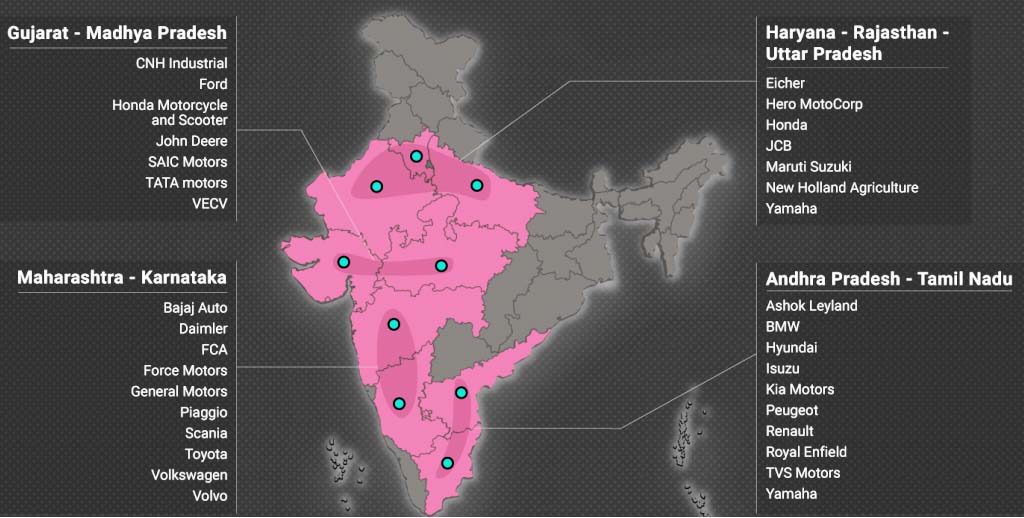
Automobile Industry in India – Indian Automobile Industry

This article focuses on the Automobile Industry in India. India is the fourth largest automobile market with sales rising to 3.99 million units with an average growth rate of 8.3% yearly. India is the seventh biggest commercial vehicle producer.

The segment of Two Wheelers dominates the market in volume, due to the growing middle class and a young population. In addition, the company’s increasing interest in developing rural markets further aided the sector’s growth.

India is also a prominent automobile exporter, with high hopes for export development in the near future. During FY19, automotive exports grew 14.50 percent. It is projected to rise during 2016-2026 at a CAGR of 3.05 percent. However, multiple initiatives by India’s government and the major players in the automobile sector in India are projected to make India a global leader in the two-wheeler and four-wheeler industry by the end of the year 2020.

Key Facts of the Automobile Industry in India

  • India is the world’s largest tractor manufacturer and second-largest bus maker.
  • India is the world’s largest two-wheeler, three-wheeler maker.
  • India is the world’s third-largest truck producer
  • India is the fourth-largest manufacturer of cars.
  • By 2026, India is projected to be the third-largest automotive market in the world in volume terms.
  • Automobile Industry contributes 7.1 percent of India’s GDP.
  • 35 million jobs are created in India by the automotive industry.
  • India has a 40 percent stake in global automobile research and development.

Manufacturing Clusters of Automobile Industry in India

Automobile Industry in India

Market Size of the Automobile Industry in India

  • Total domestic car sales grew to CAGR 6.71 percent between FY13-19 with 26.27 million vehicles being sold in FY19. With 30.92 million vehicles produced in the country in FY19, domestic automotive production increased at 6.96 percent CAGR between FY13-19.
  • Yearly growth in domestic sales across all categories was reported at 17.55 percent in commercial vehicles, followed by 10.27 percent growth in three-wheeler sales.
  • Premium motorbike sales in India were over one million units. BMW has reported an 11 percent growth of sales in India BMW has sold 7,915 car units. Mercedes Benz was ranked first in sales satisfaction in the J D Power group of luxury cars.
  • Sales of electric two-wheelers are projected to have exceeded 105,000 units in 2020-2022


Exports of the Automobile Industry in India

India’s automobile exports have gradually increased, with the United Kingdom becoming India’s main export market, followed by Italy, Germany, the Netherlands, and South Africa.

According to The New York Times, India’s large technical base and experience in the manufacture of low-cost, fuel-efficient cars has resulted in the extension of manufacturing facilities to many automobile companies such as Hyundai, Nissan, Toyota, Volkswagen, and Maruti Suzuki.

India has been a leading hub in the manufacture of small cars in recent years. Hyundai, the country’s main exporter, ships more than 250,000 cars annually from India. Besides the shipments of Maruti Exports to Suzuki’s other markets, Maruti Suzuki also produces small cars for Nissan, which sells them in Europe. Nissan will also be manufacturing small cars from its latest Indian assembly line. Tata Motors is selling its commercial vehicles to the Asian and African markets and is planning to sell hybrid cars in Europe. Bajaj Auto is developing a low-cost car for Renault Nissan Automotive India to sell the vehicle worldwide. Renault Nissan could also follow Ashok Leyland, a domestic producer of commercial vehicles, in another small car project. Although the potential for the Indian automotive industry is amazing, there are obstacles that may stand in the way of future development. As the demand for cars in recent years is closely related to global economic development and increasing personal incomes, manufacturing growth would decline if the economy is weakened.


Top 10 export destinations for Automobile Industry in India
[su_table]

S.No. Country Value (US$) Share%
1 United States 1.2 billion 8.4
2 Mexico $1 billion 6.9
3 South Africa $888.8 million 6.1
4 United Kingdom $637.4 million 4.4
5 Sri Lanka $596.9 million 4.1
6 Bangladesh $592.1 million 4.1
7 Turkey $580.4 million 4
8 Nigeria $546.8 million 3.8
9 United Arab Emirates $433.6 million 3
10 Colombia $428.9 million 3

[/su_table]

Production of the Automobile Industry in India

In April-March 2019, the industry produced a total of 30.915.420 vehicles including passenger cars, commercial vehicles, three-wheelers, two-wheelers, and a quadricycle compared to 29.094.447 in April-March 2018, showing a 6.26 percent raise over the same period last year.


Domestic Sales

  • Passenger Vehicle sales grew by 2.70 percent over the same period last year in April-March 2019. Within commercial cars, Passenger Cars, Utility Vehicle & Vans sales increased by 2.05 percent, 2.08 percent, and 13.10 percent respectively during the same period in April-March 2019.
  • In April-March 2019, the total segment of commercial vehicles recorded a rise of 17.55 percent.  Medium & Heavy Commercial Vehicles (M&HCVs) rose by 14.66 percent and Light Commercial Vehicles in April-March 2019 expanded by 19.46 percent.
  • In April-March 2019, sales of three Wheelers rose by 10.27 percent over the same period in the year 2018. Passenger Carrier sales went up 10.62 percent within the Three Wheelers and Goods Carrier rose 8.75 percent in April-March 2019 over April-March 2018.
  • In April-March 2019, two Wheelers sales reported growth of 4.86 percent over April-March 2018. Scooters decreased by 0.27 percent within the Two Wheelers category, while Motorcycles and Mopeds increased by 7.76 percent and 2.41 percent in April-March 2019 over April-March 2018, respectively.

Sales of Domestic Automobiles in India from FY 2011 to FY 2019 in Million Units
[su_table]

2011 2012 2013 2014 2015 2016 2017 2018 2019
Two Wheeler 11.8 13.4 13.8 14.8 16 16.5 17.6 20.2 21.18
Passenger Vehicles 2.5 2.6 2.7 2.5 2.6 2.8 3 3.3 3.4
Commercial Vehicles 0.68 0.81 0.799 0.63 0.61 0.69 0.71 0.86 1
Three Wheelers 0.53 0.51 0.54 0.48 0.53 0.54 0.51 0.64 0.7

[/su_table]

Domestic Market Share in Automobile Industry in India for 2018-2019 
[su_table]

Passenger Vehicles 13
Commercial Vehicles 4
Three Wheelers 3
Two Wheelers 80
Grand Total 100

[/su_table]

Automobile Industry in India1

Total Sales of  Cars in the year 2018 and 2019
[su_table]

S.No. Company 2019 sales 2018 sales
1 Maruti Suzuki  1,485,943 1731179
2 Hyundai  510,260 550002
3 Mahindra  219,663 232181
4 Tata Motors  152,944 213625
5 Honda  134,741 174880
6 Toyota  126,701 151480
7 Renault  88,869 82368
8 Ford  73,636 97804
9 Kia  45,494 0
10 Volkswagen  32,324 37029
11 Nissan-Datsun  23,580 41583
12 MG Motor  15,930 0
13 Škoda  15,284 16692
14 Fiat Chrysler  11,238 19030

[/su_table]

Exports

Overall automobile exports increased by 14.50 percent in April-March 2019. Although exports of passenger vehicles decreased by 9.64 percent, in April-March 2019, Commercial Vehicles, Three Wheelers, and Two Wheelers reported growth of 3.17 percent, 49.00 percent, and 16.55 percent respectively over the same period in the year 2018.


Investments in Automobile Industry in India

Many car makers have started spending aggressively in different segments of the market to keep up with the increasing demand. According to data published by the Department for the Promotion of Industry and Internal Trade (DPIIT), the sector has drawn Foreign Direct Investment (FDI) worth US$ 22.35 billion over the period April 2000 to June 2019.

Some of the recent/planned investments and developments in the automobile sector in India are as follows:

  • Audi India is planning to introduce nine all-new models including Sedans and SUVs along with revolutionary electric vehicles (EVs).
  • Premium motorbike sales in India recorded a seven-fold jump in domestic sales reaching.
  • Toyota aims to spend US$ 100 million for self-driving and robotic technology start-ups.
  • Ashok Leyland has announced a capital outlay of Rs 1,000 crore (US$ 155.20 million) to launch 20-25 new models across various types of commercial vehicles.
  • Hyundai plans to invest 1 billion US dollars in India. SAIC Motor has announced that it would invest 310 million US dollars in India.
  • Mercedes Benz has expanded its Chakan plant’s production capacity to 20,000 units a year, the largest for any luxury car fabrication in India.
  • Mahindra Electric Mobility has opened its manufacturing hub for electrical technologies in Bangalore with an investment of Rs 100 crore (US$ 14.25 million) that will raise its annual production capacity to 25,000 units.


Government Initiatives for Automobile Industry in India

India’s government is encouraging foreign investment in the automotive industry and allowing 100 percent FDI under the automatic route.

Some of the Government of India’s latest initiatives are :

  • Under the Union Budget 2019-20, the government declared that it will include an extra Rs 1.5 lakh (US$ 2.146) income tax deduction on interest charged on loans taken to buy EVs.
  • The Government is planning to grow India as a global manufacturing center and a center for R&D.
  • Under NATRiP, India’s government aims to build R&D centers at a total cost of US$ 388.5 million to allow the industry to meet global standards.
  • In the context of the FAME (Faster Adoption and Manufacturing of (Hybrid) and Electric Vehicles in India) program, the Ministry of Heavy Industries, Government of India has shortlisted 11 cities in the country for the implementation of electric vehicles (EVs) in their public transit networks. The State will also create an incubation center for start-ups operating in the area of electric vehicles.
  • The Indian government approved the FAME-II program in February 2019, with a fund allocation of Rs 10,000 crore (US$ 1.39 billion) for FY20-22.


Achievements

Following are the achievements of the government in the past four years:

  • Inter-ministerial approved 5,645 electric buses for 65 towns on 29 July 2019.
  • NATRIP’s application for a NATRIP Implementation Society Quality Certificate Grant-In-Aid for Test Facility Systems for Electric Vehicles (EV) under the FAME Scheme approved by the Project Implementation and Sanction Committee (PISC) on 3 January 2019.
  • The number of funded vehicles under the FAME program rose from 5,197 in June 2015 to 192,451 in March 2018. FAME Scheme funded 47,912 two-wheelers, 2,202 three-wheelers, 185 four-wheelers, and 10 light commercial vehicles during 2017-18.
  • After 2015, the National Automotive Testing and R&D Infrastructure Project (NATRIP) have developed testing and research centers in the country. Including National Institute for Automotive Inspection, Maintenance & Training (NIAIMT), Silchar, Global Automotive Research Centre (GARC), Chennai, National Automotive Testing Tracks (NATRAX), Indore, Automotive Research Association of India (ARAI), Pune
  • SAMARTH Udyog – Industry 4.0 centers: Prototype cum experience centers are being set up throughout the country to encourage smart and innovative manufacturing to support small and medium-sized businesses adopt Industry 4.0 (automation and data sharing throughout production technology).

Road Ahead

The automobile industry is supported by various factors such as availability of skilled labor at low cost, robust R&D centers and low-cost steel production. The industry also provides great opportunities for investment and direct and indirect employment to skilled and unskilled labor.

The Indian automobile industry (including the manufacture of components) is projected to cross Rs 16.16-18.18 trillion by 2026 (US$ 251.4-282.8 billion).

Automobile Industry in India – Indian Automobile Industry Read More »

Nike Marketing Mix – Marketing Mix of Nike

Nike Marketing Mix or Marketing Mix of Nike defines athletic footwear, apparel and equipment business profitability, and growth. The marketing mix for a company refers to the techniques and methods used for executing the marketing campaign based on products, price, place, and promotions (4Ps). Nike marketing mix includes fitness products. The company, for example, is specialized in shoes designed to meet professional basketball and soccer athletes ‘requirements. Such products, however, are sold for sport and recreational activities to all customers worldwide, based on the details of the business mission and vision statements of Nike. Founded in 1964, the 4Ps of the organization evolve in line with the global dynamics of the sports goods industry. Such innovations are a key factor in the success of companies that can use their marketing mix to adapt to changes and market dynamics that affect local, regional and international consumer demand for their goods.

marketing mix of nike

Nike Inc. strengthens its capability to defend its company from heavy competition through its marketing mix. The organization competes against various firms participating in the industries of footwear, apparel and sporting equipment. The organization operates in the same markets as Adidas, Puma, Under Armor, ASICS and the VF Corporation. Nike Inc.’s Porter’s Five Forces Study indicates that these firms have a solid competitive presence in the business climate.

Product in the Nike Marketing Mix -Marketing Mix of Nike

This element of the marketing mix lists the organizational outputs available for customers. Such outputs are referred to as the product mix. The success of Nike Inc. has changed the product mix. For instance, the company continues to invest in R&D to develop new products and improved product versions. Originally a manufacturer of shoes, the company now manufactures various sporting apparel, clothes, and equipment. The company incorporates new technology into its product lines based on Nike Inc’s overall strategy and aggressive growth strategies, in order to maximize product quality and customer satisfaction. The following specific categories reflect the product mix of Nike: the most common products of Nike Inc. are Sports Apparel Clothing & Accessories Sports. The company slowly introduces additional product lines to this group. For example, for a variety of other sports, including cricket, the company offers now running shoes, tennis shoes and clothing. Nike also offers shoes, including shirts, shorts, and related items. Furthermore, the product lines of the company include products and equipment such as golf clubs. These products are available under several brands of the company, including Air Jordan, Hurley, and Converse. Nike expands its product mix on that element of the Marketing Mix to meet the needs of its target markets and market segments.

nike marketing mix

Places in the Nike Marketing Mix -Marketing Mix of Nike

This marketing mix element identifies the places where the products of the company are sold, accessed or distributed. Nike Inc. is marketing its sporting shoes, accessories and equipment worldwide through a range of shops. These goods, for example, are available in major retail stores. Such distributors include big corporations such as Walmart (see Walmart’s Marketing Mix or 4P) and small local and regional stores. The 4P aspect also shows that consumers can buy Nike sports shoes, clothes, and equipment from the online shop of the company. The company also operates its retail outlets in Niketown. Such channels are operated by a corporation and provide access to industry and consumer information promoting corporate strategic management of existing, new and evolving product marketing strategies and tactics. Nike Inc. manages the distribution and selling of its goods, especially through its online shop and retail outlets, based on this aspect of the marketing mix. The company, however, has limited control over the distribution and selling of its goods through other retail outlets.

Promotion in the Nike Marketing Mix -Marketing Mix of Nike

Nike Promotions which also involves a marketing communication mix and the strategies used by Nike to connect with its target audiences. Nike Inc.’s Promotional Mix. The organization depends on the effective marketing of its products to retain a positive brand identity, one of the strengths found in Nike Inc. SWOT analysis. The organization uses advertising tactics to connect its products with target buyers and persuade them to purchase the goods. Nike promotions are organized according to importance: direct marketing sales promotions Public relations Advertising is one of the greatest contributors to Nike’s ability to attract customers. Nike’s promotional activities are significant. The company relies heavily on advertising, particularly those involving prominent supporters, such as athletes and sports teams. This part of the company’s marketing mix often involves personal sales by salespeople who encourage customers to purchase the goods of the business. Salesmen at Niketown retail stores, for example, are qualified to use such persuasion. Local marketing efforts of the organization include direct contact with schools, local sports teams, and other organizations. In the sense of 4Ps, direct marketing refers to direct communication with organizations to promote the goods of their members. Nike also often uses discounts and promotional deals to draw more buyers and create more sales. Such discounts and deals are the promotional strategies of the company. In addition, the company sponsors and supports other organizations such as community-based networks for the promotion of its sports shoes, clothing and equipment in public relations. The company relies on its partnerships with leading suppliers to effectively help its business and products in the international sporting goods market, based on the strategies included in this dimension of the Nike Marketing Mix.

Price in the Nike Marketing Mix -Marketing Mix of Nike

Price in the marketing mix of Nike describes rates the company applies to maximize profit while gaining a targeted share of the global market. Nike’s products and pricing strategies Nike’s technology investments are related to a policy of premium quality of its goods. However, in setting its price points and price ranges, the company considers the current market conditions. Based on these assumptions of this 4P measure, the following pricing strategies are used for the company of Nike Inc.: value-based pricing strategy & Premium pricing strategy. Nike inc. recognizes the consumer’s view of the value of its goods by using a value-based pricing strategy. This interest is used in the marketing mix to assess the average costs for the athletic shoes, clothes, and appliances that customers are prepared to pay for. To this respect, high prices are part of the premium selling policy, focused on a premium Branding approach that recognizes Nike products as high quality and value relative to rival products. The company’s use of ads featuring famous actors demonstrates such an emphasis on luxury branding. In 2014, its sales rates were effectively raised and profits and revenues grew. This pattern continues with rising sales revenues while growing its prices slowly. Nikes revenue was US$ 36.39 billion (2018). According to the PESTEL / PESTLE study by Nike Inc., this phenomenon is correlated with socio-cultural and economic developments in the manufacturing climate. The organization adapts the pricing levels to these changes. Nike Inc. has successfully exploited its pricing strategy to increase its revenues and demonstrate its high reputation for the promotion of its goods and brands in this aspect of the marketing mix.

Nike Marketing Mix – Marketing Mix of Nike Read More »
Marketing Mix of Samsung – Samsung marketing mix (7Ps)

This article presents the Marketing mix of Samsung. The marketing mix comprises attributes of a marketing mix consisting of product, place, price, promotion, process, people and physical evidence. The marketing experts are using this tool. The marketing mix plays a significant role in deciding the services and products offer. Samsung’s Marketing Mix analyzes brand and product offerings too. These seven marketing mix components should be seen as one unit and endorse each other. Otherwise, the marketing strategy of a product would be confusing. Now we will discuss Samsung’s marketing mix.

marketing mix of samsung

Product in the Marketing Mix of Samsung – Samsung marketing mix (7Ps)

Product is one of the major components in the Marketing Mix of Samsung Electronics products are developed and produced in 6 global design centers and in 53 global manufacturing facilities. There are 34 R&D centers around the world engaged in the production of new goods. As shown in the following table, Samsung products can be divided into three divisions and each division includes more than one product category.

Product divisions and product categories of Samsung are:

Product division Product categories
Consumer electronics Visual display business
Digital appliances business
Printing solutions business
Health and medical equipments business
IT & Mobile Communications Networks business
Mobile communications business
Device solutions Memory business
System LSI business


Price in the Marketing Mix of Samsung – Samsung marketing mix (7Ps)

The pricing strategy of Samsung can be defined as a combination of the following pricing strategies depending on the product range, time of launch and the climate of the outside market.

  • Price skimming: Samsung typically places expensive price tags on its most recent smartphones and other items with advanced and revolutionary features. Samsung reduces costs and increases its market share as quickly as rivals launch goods with the same features and capabilities. “Galaxy S8 and S8 Plus smartphones, for instance, started to see discounts of more than USD 150 within two months of their launch”.
  • Competitive Pricing: Samsung is an industry leader for displays and smartphones. It does not, however, hold the same role in all segments of the organization. For example, for home appliances, Samsung can not possibly surpass LG. Cannon and Nikon are both the industry leader in cameras. Samsung, therefore, applies aggressive pricing for its goods and cameras for domestic appliances and claims a position of these markets.
  • Pricing of the product line: In order to build specific quality levels in customers ‘minds, Samsung uses commodity price lines to classify its goods into price groups. For eg, as of September 2017, the Galaxy 8 smartphone costs GBP 689 on the Samsung UK website, while the Galaxy S8 + costs GBP 779.

Place in the Marketing Mix of Samsung – Samsung marketing mix (7Ps)

The place is the third component in the Marketing mix of Samsung. Samsung is active through different channels in the market. Samsung also works on the concept named channel marketing which has three segments. Sales and service dealers, Modern retail & Distributors. The duty of sales and service dealers is to handle key accounts for Samsung and to involve in corporate sales. They may open showrooms for Samsung as well. Modern retail includes large retailers who are active in the modern retail chain. Retailers are bound to keep Samsung because of being such a branded company. For Samsung, the most interesting segment is a distribution network. Samsung has a single distributor in several cities in order to distribute throughout a territory. There are 53 international sales offices in Samsung and the global electronics corporation uses the following distribution channels:

  • Distribution and service dealers: This channel is related to corporate sales.
  • Modern company-owned retail outlets: There are very attractive shops with representatives of customer service and staff called Galaxy Consultants. In 2015, 158 Samsung direct management stores were operated by Galaxy Consultants in Korea. The corporation plans to extend the Galaxy Consultants ‘system outside Korea.
  • Distributors: Samsung has country distributors, territory distributors, and regional distributors.  Samsung can grant distributor rights for a specific product category or all Samsung products depending on the area, size, and experience of the distributor.
  • Online Sales: Customers can pick and order Samsung items through the company’s official website.


Promotion in the Marketing Mix of Samsung – Samsung marketing mix (7Ps)

Promotion is the main component of the marketing mix of Samsung. Samsung uses many promotional forms. Through newspapers and digital media, Samsung sells its goods. Samsung claims that advertisement is the perfect way to reach its future customers. Samsung uses often difficult tactics to sell the product to the consumer.

Those are the core components of Samsung’s marketing mix in the business world. For advertisers, their marketing strategy is a great lesson.

Marketing mix strategies are essential channels that any organization should pursue to meet customers. Cost, commodity, advertising, and placement components are targeted to the target audience or customers who are the product’s final users.


People in the Marketing Mix of Samsung – Samsung marketing mix (7Ps)

People are one of the components in the Marketing Mix of Samsung. Samsung Key People are Lee Kun-hee(Chairman) & Lee Jae-yong (Vice-chairman). Samsung has 320671 employees. As employees are the key asset of the company. Samsung has increased its revenue by US$ 208.5 Billion in 2018. Samsung subsidiaries are Samsung Electronics, Samsung Engineering, Samsung C&T Corporation, Samsung Heavy Industries, Samsung SDS, Samsung Life Insurance, Samsung Fire & Marine Insurance,  and Cheil Worldwide.


Process

The process is one of the components in the Marketing Mix of Samsung. Samsung consists of approximately 80 businesses. It is highly diversified and has operations in fields including manufacturing, consumer electronics, financial services, shipbuilding, and medical services. Samsung is following industries’ best practices and processes for the manufacturing of its products.


Physical Evidence

Physical Evidence is one of the components in the Marketing Mix of Samsung. The company markets its products in different colored packaging that can be readily found on store shelves. They are put on the company’s special shelves, which have a different color and design. It allows the placement of these shelves in active retail stores for customers.

Marketing Mix of Samsung – Samsung marketing mix (7Ps) Read More »